THE HEALING POWER OF THE IMAGINATION

     The imagination is a powerful tool. It allows children to dream of worlds, go on adventures, gain special powers, create new things, and much more. A children’s imaginations are endless and helps them grow up to be creative, inventive, and much more. The imagination can also be a coping technique, allowing them to escape or deal with tough situations like bullying, mental illness, tragedy, bad living conditions, and so on.

     During my school years when I was bullied, my imagination was a coping technique. It allowed me to escape the world that beat me down and go into one where I could be lifted up. I dreamed of being a star, of facing my bullies, of imaginary lands, and so on. I created whole new worlds in my mind, and in those worlds I was free from the pain reality caused me. The best part of my imagination was I could control it. I couldn’t stop the teasing, the pain within me, the decline into mental illness, but I could create with my mind and escape.

     I also imagined bad things happening to me. This became an unhealthy coping technique. I thought if something bad happened, then people would suddenly care, or I would have an excuse not to go to school. I imagined getting hit by a car, falling, and breaking my leg, a large kid attacking me and putting me in a coma, and so on. I wanted my imaginary injuries to come true, so I didn’t have to go to school. The problem was this became a habit I couldn’t break. I continued to do this into my adulthood and sometimes I still must remind myself to stop.

     In high school I began to write down my daydreams. Writing became a healthier coping technique. For a long time, I didn’t think my writing was any good. My uncle died when I was in seventh grade, and a teacher and her aide encouraged me to write about my uncle. They said it would help me deal with his death. Below is an excerpt from chapter 29 of my memoir.

I closed my eyes and pictured my uncle, and I took a deep breath. I opened my eyes and suddenly words gushed from the tip of my pencil onto the paper. Memories flowed through me and spilled out. It was like my pent-up tears were streaming out of me in words. Before I knew it, I had three pages filled. Once I was done, I read over my writings several times.

My imagination led me into writing and my writing helped me deal with what was happening in my life and inside me. Another excerpt from this chapter talks about this more in depth.

After writing about Uncle Tim, I became inspired to write more. In between studying, I would pull out some notebook paper and just let the words flow out. My words on paper were the voice I couldn’t force to part my lips. The feelings and thoughts no one knew about.

My writing became my passion. I worked hard to hone it. My writing was another thing I had control over. I could decide what happened to my characters, I could give them happy endings, shine light on their rough times, bring my imaginary worlds to life and release my inner anguish. I bared my soul in words on paper. I told people the only way you could get to know me was to read my writing, because it bared the deepest secrets of my soul.

As an adult I was hospitalized for my mental illness. My friend Jane brought me a pen and a journal. I started filling journal after journal with my feelings, thoughts, and anguish. My journal became like a safety blanket. I carried it everywhere and wrote in it every chance I could. It was the only way I could get my feelings out. I couldn’t talk about how I felt, but I could write about it.

My therapist, Linda, had me write journal entries for her. I’d bring them to therapy, and we would discuss them. Then she had me start a journal to put positive things in it. She used my writing ability to help me get better. The positive journal was hard, but I worked at it. It in time became very therapeutic and taught me a new coping technique.

For a time, I dabbled in different genres of writing trying to find a purpose for my talent. While I was at my worst, I stopped writing stories and just focused on journaling. Then I decided to write about my experiences. I think God’s purpose for me is to help others through my writing. That’s why I write this blog and why I wrote my memoir. My story can help others.

As I wrote my memoir, my writing got better and more powerful. My author friends say my writing is a good example of how to put emotion on paper. I just write what I feel. I relived my past and put it down. Writing my memoir was therapeutic and I know once it’s published, it will help others. My imagination helped me become an author.

What will your imagination lead you to? In what ways do you cope with your mental illness? Do you escape in your imagination, do you write, do you draw, or do you make crafts? The imagination is a good coping technique and can lead to other creative outlets to deal with the pain within you.

My writing is my therapy and my purpose. I write my way into the light of recovery.

CHILDHOOD MENTAL ILLNESS

   Mental illness knows no boundaries. It doesn’t pick a certain age group. Even children struggle with this serious sickness. Many children suffer in silence, afraid to tell parents, guardians, and teachers what’s happening within them. They may not even understand what is wrong. It’s a horrible struggle to face alone, but unfortunately many of our children feel they have no other choice.

     I never really realized how young I was when I started struggling with mental illness until I started writing my memoir. To write my book, I had to retrace and relive my childhood. Back then I didn’t know what mental illness was. My mom told me my grandmother, her mom, struggled with mental health problems, but I had little understanding of what that meant. I just knew she was sick and spent some time in hospitals. She came to visit once and a while, but I was young and only have a few memories of her.

     My mom told me I was a happy child until I started going to school. Some of that sadness was caused by bullying, and I believe that was what triggered my illness. Many things can trigger such a sickness like abuse, tragedy, loss, poor living conditions, bullying, and so on. The teasing started in first grade and in my memoir, I could retrace the start of it.

     It was then I began to lose self-esteem. I couldn’t defend myself against the names I was called. I began to question if the things I was called were true or not. I felt a sadness, but it wasn’t overpowering. As the school years went on, my illness progressed. At night I struggled to sleep and when I did, I had nightmares. I started to put myself down internally and I began to hate myself. I broke out in angry fits. I would get into fights with my siblings, I would scream, cry, and throw things. Then I started pulling my hair to ease my pain inside. The hair pulling turned to punching a wall and pinching my skin.

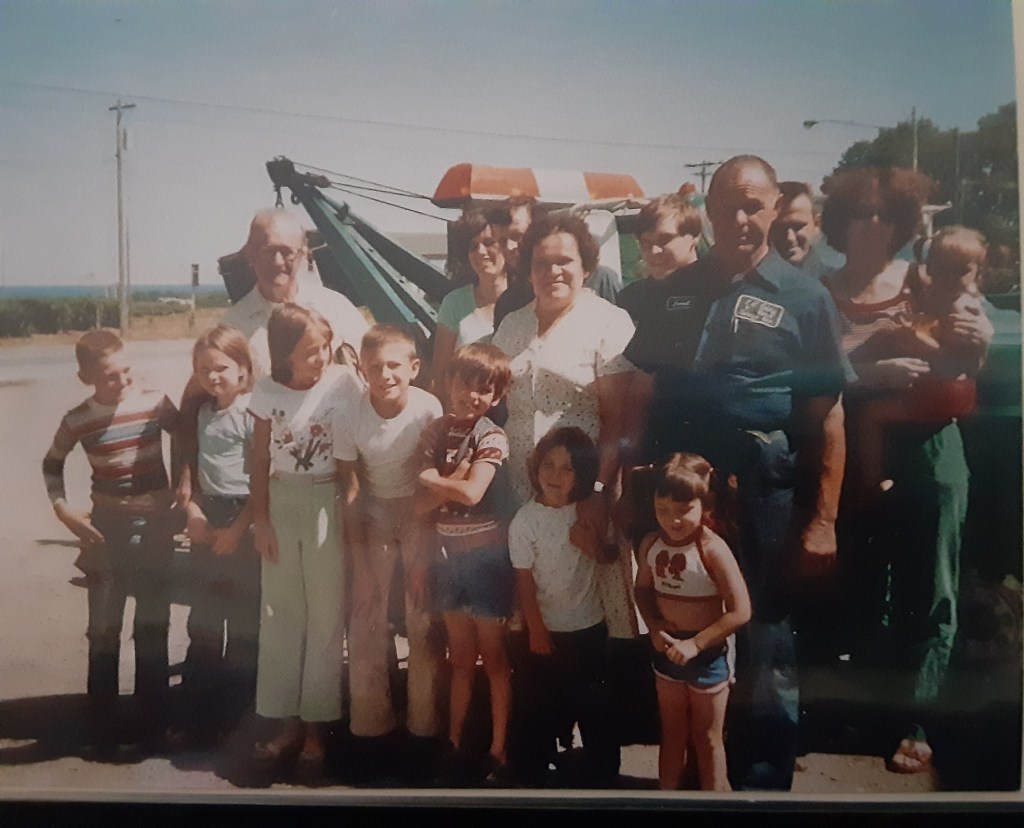
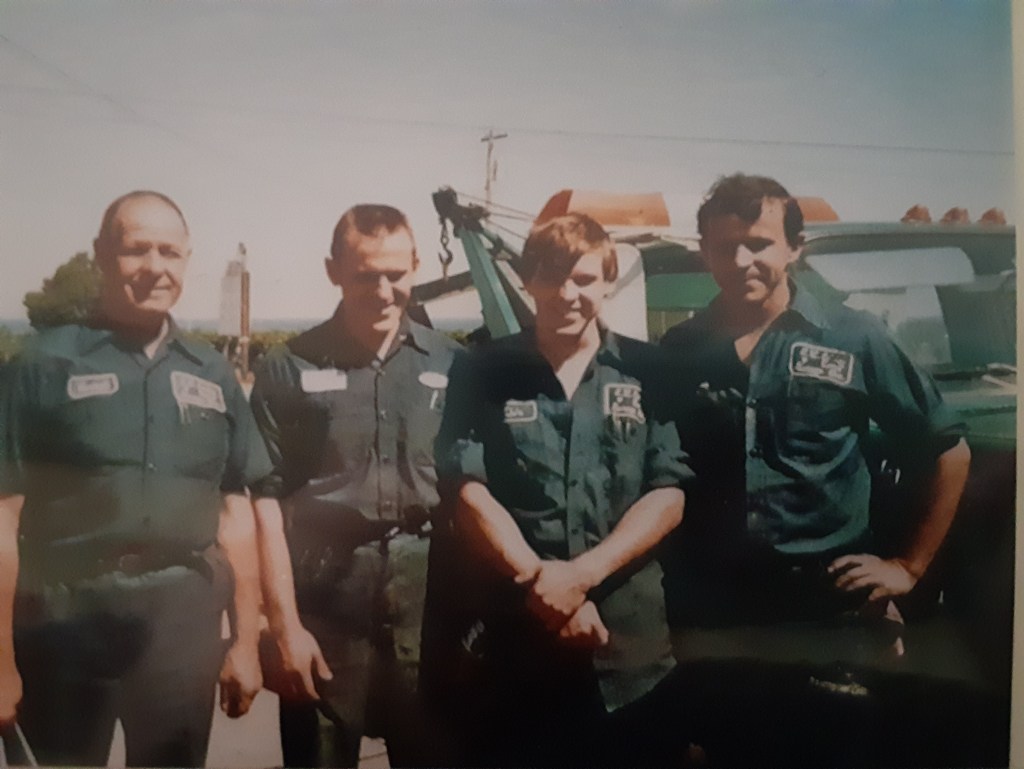
     I knew there was a deep sadness in me and that I had emotions I couldn’t control, but I had no way of explaining it. My parents were and are very loving people. Dad worked long hours at the family garage and Mom worked hard taking care of four children and our home. They didn’t have much money, but they showered us with love. So, if I had such wonderful parents, why didn’t I turn to them? How could I tell them I was falling apart inside when I couldn’t comprehend it?

     I was afraid they wouldn’t understand. How could they when I didn’t even know what was happening? It seemed like a burden I was cursed to carry on my own. My parents thought I had a bad temper. I thought they were right, but when I broke out into those angry bursts it was like I lost all control of myself. There was no explanation for that other than I had pent up anger to let out from the kids teasing me at school. I argued with my parents and little things set me off into a fury. My parents and siblings suffered the wrath of my unexplainable temper-tantrums. My parents were at their wits’ end trying to figure out how to help me control my anger. It wasn’t until I was hospitalized as an adult that I learned the angry fits were emotional episodes caused by Borderline Personality Disorder.

     In eighth grade I felt the saddest I had ever felt. I thought I was having a nervous breakdown. I buried my depression in studying. The racing thoughts were nonstop. I tried to quiet them, but they were too powerful. They tore me apart inside. A misunderstanding from my Special Education teachers sent me to the school counselor. Talking to him each week got me through that rough time. I was able to cope a little better.

     It wasn’t until I hit rock bottom in college that I finally confided in my parents. I had started cutting myself, I planned my death, and began to try to take my life. When my mom found out what was happening, she went out of her way to find me help. As an adult I was diagnosed with depression, anxiety, self-injury, and Borderline Personality disorder.

     I struggle with worries of how my parents will handle my memoir. Will they feel guilty for not knowing? Will they be crushed when they realize how I suffered in silence? Will they be hurt because I didn’t turn to them? I think the important message I want them to get from my book is that their love and the love of other family members was what kept me going.

     Childhood mental illness is serious. It’s important to educate parents and children about the symptoms and signs. It’s important we tell our children that it’s okay to talk about things that’s happening to them which they don’t understand.

If you’re a child suffering, don’t be afraid to tell someone. Don’t suffer in silence. This sickness is a heavy burden you can’t carry on your own. Tell a parent, a relative, a guardian, or a teacher. That way they can get you help. I wish I would have confided in my parents. Maybe if I did, I wouldn’t have fought this sickness for so long. Maybe I could have reached recovery sooner. Maybe I wouldn’t have hit rock bottom and became suicidal. Speak out. If you must put it in a note or draw a picture, then do that.

I can’t live in regret for keeping my illness a secret when I was a kid. There are a lot of “what if’s,” but instead of wondering, I decided to help others with my memoir. Writing my memoir helped me and I’m sure will help others. Helping others through my writing will guide many children to the light and also keep me standing strong in the light of recovery,

FLY FREE

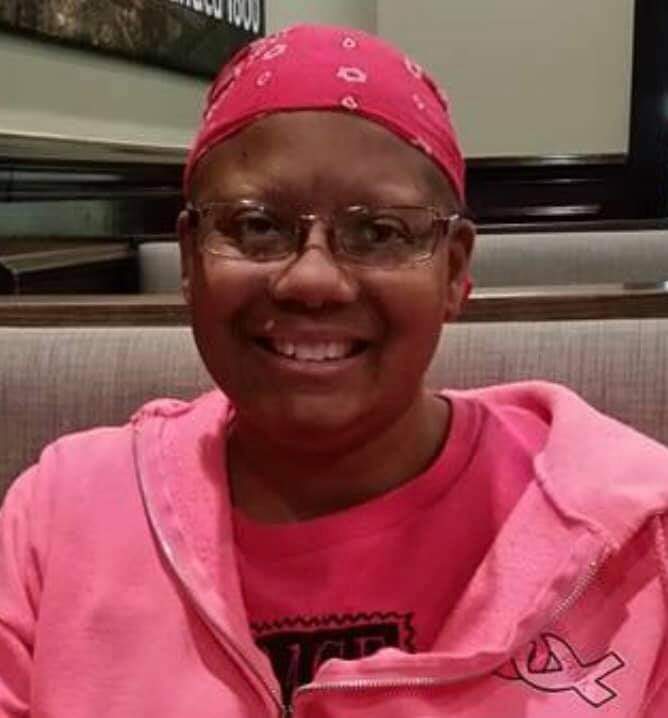
Tears I shed for a special soul

Who battled cancer with a smile

A smile that glowed

With rays of unbounding kindness

Cancer ravaged her body

Yet she smiled

Chemo weakened her

Yet she never complained

She coped with crafts

Sore fingers made wreaths, bracelets, and keychains

She could no longer work

Money was tight

Yet she gave gifts

Simple texts and hugs

Socks and mementos

Her radiant soul touched mine

I shed a tear of sadness yet one of joy

Dear Tiffani fly free

Free of sickness and pain

You were an angel on earth

Now an angel in heaven

You touched many

Your essence will remain

Within my soul

My life forever touched by yours

Tiffani Staley March 12 2021

NO EXCUSES

     Mental illness is a serious illness and when it’s at its worst, it makes a person struggling with it unable to function. There are many kinds of mental illnesses; some are so severe the person dealing with it may never be able to live a normal life. There are other illnesses that people can reach recovery from and live their lives. Sometimes people use their sickness as an excuse not to get better or to avoid reaching dreams, working a job, living independently, finding love, and so on. The truth is there is no excuse.

     I’ve known people who used their mental illness as an excuse to avoid doing things. I met a woman at church who invited me over for dinner. While we were talking, she told me about her mental illness. She went on to tell me because of her illness she couldn’t work. When I asked her how her mental health kept her from working her only answer was. “It’s because I have mental illness.” When I tried to tell her that was no excuse, she didn’t want to hear it. She changed the subject.

     I went to a support group that was hosted by a couple. They told me I should quit my job. They tried to tell me because I have an illness of the mind I shouldn’t be working. I told them I wasn’t going to give up my job just because I have an illness. I quit that group. I even had a therapist try to get me on Social Security Disability so I wouldn’t have to work. I’ll admit it’s not easy to work with this sickness, but I find a way. I refuse to let my mental illness keep me from working. I will not hide behind excuses. I refuse to give up just because chemicals are out of balance in my mind, and I refuse to hide behind it.

     A lady I know refuses to take the steps towards recovery. She tells everyone she can’t get better. She tells her psychiatrist what medication to put her on and she takes herself off it. She gets people to feel sorry for her. Her illness is her excuse for not getting better and  a way to get attention from others. She is preventing herself from getting better. If she listened to her psychiatrist, did the work, and fought to get well she could reach recovery. Her life doesn’t have to be ruled by her sickness. She could take control of it if she allowed the psychiatrist to do his or her job and didn’t search for sympathy. There are other ways to get attention, healthy ways. She is depriving people of getting to know her for the person she is.

     I read on an online group about a guy who said because of his illness he could never make his dreams come true. I messaged him there is always a way to make your dreams come true. It may not come easily, and you may have to make detours, but nothing should stand in your way of making your dreams come true.

      I’m not the type of person to hide behind excuses. Mental illness makes life harder, but I refuse to let it stand in my way. I have no excuses. There is always a way around my limitations to achieve my goals. Anxiety, stress, and depression have made working as a cashier hard. I’ve had to force myself out of bed while depressed to go to work. I’ve had to go to the lady’s room during a stressful day just to take deep breaths and gather myself to prevent an anxiety attack. There are times where I have had anxiety attacks that made me rush to the bathroom to get sick. I know my limitations and I use coping techniques to keep working.

     I don’t hide behind anything. I have a learning disability, I have mental illness, I’ve had multiple surgeries, I have had breast cancer and not once have I let anything stop me from thriving. To me they are not something to hide behind, but a challenge to work around. If there is a way around my challenge, I’ll find it. Yes, my mental illness, my learning disability and other challenges have placed limitations in my way, but that doesn’t stop me. I just find other avenues to work around those limitations to achieve my goals.

     Excuses get you nowhere. They leave you lingering in limbo. You are just existing and never achieving. If you want to reach recovery, don’t let your illness be your excuse; let it be the challenge you work around. You can work, you can be loved, you can make your dreams come true, and you can reach recovery, but you must find a way to make it happen. You may have obstacles in your way, but you can find ways around them. Don’t hide; push forward and achieve. No more excuses. Go out there and find the path you need to take to reach recovery and to do much more.

     I have worked the same job for twenty-five years, I’ve had short stories published, I have written a book length manuscript, and I am in recovery. I have faced my challenges head on to accomplish all of these. Because I don’t use excuses I stand in the light of success and recovery.

PROGRESS ON MY MEMOIR

   In seventh grade, I realized I had a talent to write. At first, I just wrote down my daydreams. Then my daydreams became stories. It’s been my dream since high school to have a book published. I’ve tried to write several books but gave up. They just weren’t right. I swore that I couldn’t write a book and I could only write short stories. After several failed attempts and a couple years of writing short stories, I have finally written a book length manuscript.

     My manuscript is a memoir called Escape to the Family Garage. It has taken me four years to write it. My memoir is about how I was bullied in school and found love and acceptance at the family garage. I was put down daily because I have a learning disability. To write about how I was teased and degraded in school I had to relive it. It’s been a very emotional journey putting this manuscript together. I’ve cried, I’ve gotten angry and I became overwhelmed. I also felt joy when I wrote about the family garage and the adventures I had there.

     Here is an excerpt from chapter twenty-four of my memoir. In this piece we are making a club house (we called it a fort) out of crates. The last crate we needed was in the part of a barn where the floor was caving in.

The crate became a treasure at the far end of a booby-trapped cavern. Denny took his coat off, bent his knees, and counted. The barn disappeared and we stood at the edge of the cavern, cheering.

     A light flickered within my soul. “Come on, Denny. You can do it. You can get the treasure.”

     Denny took a deep breath. “One. Two. Three. Here I go.”

     I held my breath while Denny ran around the first trap and then the next. We all seemed to gasp at once when a creaking noise filled our ears.

     “Watch out,” Scott shouted.

     A piece of the cavern floor caved in revealing hot lava boiling up toward Denny. He swerved around it nearly tripping over falling boulders.

     “Come on, you can do it,” Russell yelled.

     Denny swerved around each obstacle. I let my breath out when he grabbed the treasure. He turned and jumped over holes of boiling lava and falling boulders on his way back. When he reached the opening and stepped onto solid floor, we gathered around him.

     “You did it, you did it,” we cheered.

     I use my creativity to bring our pretend worlds alive on paper. I wanted my readers to go into our imaginations with us and enjoy the fun my siblings, cousins, and I had. Memories like these were easier to write about. I enjoyed them. It’s the memories of the bullying that brought back anguish, pain, sadness, and much more.

The bullies were not just my classmates; they were also my teachers. This is an excerpt from chapter eight. I’m in second grade in this piece. My mom helped me learn how to read and I was excited to show everyone my new ability. I did my classwork on my own and took it up to the teacher for grading.

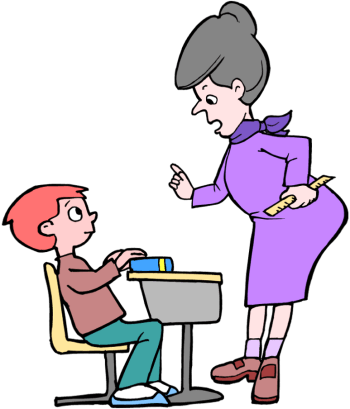
“You cheated,” her voice screeched. “There is no way someone like you could have gotten an ‘A’.” She drew a big “F” across my paper. “I don’t tolerate cheaters.”

     But I worked really hard all summer to read. I didn’t cheat, honestly. I worked hard. Tears threatened to spill. My head hung low.

     Words formed at my lips, but I couldn’t force them out. I could feel my classmates’ eyes on me. It was like they were tearing through my skin. Snickers filled the room. I slowly made my way back to my desk.

     Donna leaned towards me. “You shouldn’t use my answers. Don’t worry, I’ll tell her you need my help.”

     But I didn’t. I did it myself. My mom helped me read. I got the “A” myself. What’s the use? No one will ever believe me.

     The book is thirty=two chapters long, filled with heart- wrenching scenes and happy ones. I’m currently editing chapter twenty-seven. I toyed around with several subtitles and when a fellow author suggested, How Family Love Can Overcome Bullying I liked it, but it needed some tweaking. My Pennwriters group via Zoom helped me with that. I finally decide on, Family Love Overcomes Bullying.

     The subtitle fits perfectly. My parents, my grandparents, my cousins, and the guys in the garage lifted me up when my heart plummeted into sadness. They kept me going. My mom was always there to comfort me after a horrible day of school. My cousins were the friends I didn’t have, and my grandparents always showered me with love.

     Here is an excerpt from chapter twenty-five. After playing with my cousins Matt and Cindy during a break at the garage we called “Coffee Break”, we go to my grandparents’ home to say goodbye.

     Grandma bent down and kissed my forehead. All my pain seemed to float away with the warm touch of her lips and her arms around me. Lacey, Donna, and everyone else no longer mattered. I was safe in Grandma’s arms. She was like Superman. She was my hero. Her superpowers were endless love, encouragement, and an enduring faith in God. Grandma couldn’t lift a car, but she could always lift my soul out of sadness.

     We hugged Sari, and Aunt Helen and followed Mom to the car. I watched Grandma standing outside of the glass door waving while we drove away.

     I whispered, “I’ll see you soon, my hero.”

     There are more heart-touching parts to my memoir, but you’ll have to wait until it’s published to read them all. My goal is to have my book published this year. I have been working hard to make this happen. Traditional publishers don’t like to publish memoirs unless they are about famous people. I’m planning on self-publishing through Amazon. I need money to hire a professional editor, have someone put it together, and design the cover. I have been setting a little money a side and selling woodburnings to put in my “book fund.”

     I’m a very determined person. When I put my mind to something, I do what ever it takes to achieve it. This is what will help me get my book published.

     My determination is what helps me stand proudly in the light of recovery and accomplishment.

NO POST THIS WEEK BUT SOMETHING TO KEEP IN MIND

A friend sent this to me and told me to print it out and read it when I start worrying. This is so true. How are things going to go right if we worry about them going wrong? When we focus on the bad it seems to follow us. Look for the positive. I need to be reminded of this often.

MY DREAM COME TRUE

    We all want to be loved and to find the perfect person to give us that love. We dream of Mr. or Miss. perfect to come in our lives and sweep us off our feet. It’s common for women to fantasize of the most wonderful man to enter her life and steal her heart. Men even have an idea of the right woman to wander into his life. All people want is to be loved and cherished. Sometimes the person we imagine is too good to be true.

     Since I was a teenager, I dreamed of falling in love with Mr. Wonderful. In high school love seemed impossible. All the boys teased me, and none ever showed interest in me. They called me names, poured cologne down my back, and snapped my bra. I just wanted one boy to like me. I was the reject that guys had no interest in. One boy called me gay since I never had a boyfriend.

When Valentine’s Day came around, different colors of roses were sold to be given out to girls the boys liked. Different colors had meanings like “I’m interested,” “I like you,” or “I love you.” I don’t remember which color meant what. I just remember wishing I would get one. One year my cousins bought me a rose so I wouldn’t be left out.

     During my teenage years, the right guy existed in my imagination. A young man spoiling me with gifts, loving me despite my flaws, showing me extra attention, standing up for me when others put me down, and taking me off into the sunset on a dirt bike. My dream guy was perfect in very way, but unrealistic. A man like that doesn’t exist. No one person is perfect.

     My dreams of the right man were ripped apart when I started dating in my twenties when I took a year off from college and began working at a grocery store. The first guy that asked me out I though would be the love of my life. I thought I was in love with him and overlooked all the warning signs he was the wrong one. Then one day he told me a woman was sharing his bed, but they weren’t doing anything. She was just a friend. I dumped him and he married the so-called friend.

     I dated other men. One boyfriend told me how much he spent each time he bought me a gift. Another had to be told by his friends to buy me gifts, and another one showed up everywhere I went like he was stalking me. When I thought I had finally found love, I moved in with the man and he became abusive. He couldn’t handle my mental illness and used my weakness to hurt me emotionally and physically. He told everyone how I abused him and all the wonderful things he was doing for me. He enjoyed being patted on the back for supposedly taking care of poor Aimee.

     After we broke up, I swore I would never date again. I figured no man could ever handle my illness. I was destined to live with my parents the rest of my life, and when they passed, I planned to live with my younger sister. I was determined my dream man didn’t exist. I would never find true love.

     When a co-worker insisted I meet a man, named Lou, who lived in her basement I said no. She wouldn’t let it go. His fiancée, her stepdaughter, had passed away from cancer. The first thing that came to mind was I would be Lou’s rebound, but she continued to tell me about him. I continued to refuse to meet Lou. My therapist and friend, Kelly, told me I should go on one date. One date didn’t mean I was making a lifetime commitment. I finally agreed.

     On the first date he promised he would take care of me, treat me like a woman, spoil me, and never hurt me. All I had to do was give him a chance. I couldn’t say no to that. It didn’t take long to fall in love with him. He was willing to go to couple therapy to learn how to help me with my mental illness, he would never let me spend a penny when I was with him, he told me every time we were together how beautiful I was, he gave me lots of extra attention, and much more. He kept every word of his promise and still does.

     Lou is the guy I dreamed of as a teenager. He didn’t take me for rides into the sunset on a dirt bike, but he gave and gives me much more than I ever expected. I’m a needy person and I love attention. He fulfills my needs and gives me all the attention I crave. He is my world, my true love, and so much more. When my mental illness gets the best of me, I can always count on him to help me through it and to take care of me.

     When I met Lou, I was going in and out of depression episodes. With his help, I have risen above my mental illness and reached recovery. He’s not perfect. No person is, but I love every part of him. Even his flaws and bad habits. He lifts me up and showers me with gifts of love.

     The man or woman of your dreams does exist. He or she may not be exactly the way you imagine him or her, but that special person is out there. True love is real. There is a person who can love you for who you are and learn to help you with your mental illness. You can be loved.

     Lou is my soulmate. Some may say he smothers me too much, but I think he gives me exactly what I need. I couldn’t have imagined a better man to love me. Lou’s love holds me up in the light of recovery.

FINDING MY WAY TO RECOVERY

It started in first grade when a teacher called me a retard in front of my class. Retard is a label that haunts a person throughout his or her school years, or at least it did for me.

By the time I repeated first grade and made it to second, my teachers assured me no one would ever fail me.  Why? Because they would push stupid Aimee on, whether or not she could do the work. My humiliation only increased.  My second grade teacher was no more merciful than my first.

“Miss Eddy, come up here now,” my second grade teacher’s voice reverberated throughout the classroom.

Shaking with fear, I forced myself to walk to her desk in front of the room.

With a big red marker, she wrote an F on my paper.  “You cheated. No one like you could have gotten an A. 

Cheaters will not be tolerated.”

     To this day, I can hear the sound of her ripping my paper in half. The words, “Mom worked with me all summer.  I learned to read,” were trapped in my throat. I gasped for air as if choking on food.

In the years that followed, I sat in silence as my classmates talked down to me, called me names such as retard, dummy, and loser, and treated me as if I didn’t belong. My teachers insisted a person like me could not read or write. They even assigned other students to give me answers on tests.

If there was a way to escape my life, I imagined it, pounding my fists and head against walls to ease the overwhelming pain within me. By my senior year of school, I began tearing at my skin with needles. I watched pain float away with each drop of blood. I hated living. I hated existing. Most of all I hated being me.

“God made a mistake when he made me,” I cried while my mother held me each day after school.

What peace could I find in a God who put me in a world of mental darkness? In my senior year of high school, I slid into a deep depression. After encouragement from a teacher, I went to college. My sadness left me no reason to live. Abuse from a friend only made me hate God more and question his existence.

In my condition, I had no other choice but to take a year off from school. I started seeing a therapist who diagnosed me with major depression. In therapy, I worked on self-esteem and changing negative thoughts to positive, such as “I’m worthless” to “I’m a good person.”

I got a job at a grocery store and, for a period, I found relief from my sadness. In five years, there were very few symptoms of depression. I made friends at the store and became popular. A social life turned me into the kid I had been unable to be.

Several years later, however, I became part of an abusive relationship and plummeted back into a deeper depression. My emotions became unpredictable, igniting into an inferno within seconds. The pain inside me burned in my soul and crawled through every inch of my body. I would cry in a fit of rage, screaming at the top of my lungs, and I began injuring myself more often.      

After the man I thought I loved kicked me out of his home, I was hospitalized and diagnosed with Borderline Personality Disorder. His words, “You gave up,” became my motivation to prove him wrong.

I worked toward a more stable life.  Two years later, I met a woman at Saint David’s Christian Writers Conference. I discovered she lived in my area. She even shopped at the store where I worked. She encouraged me to join the meetings at her Bible study group. After going to several of the meetings, I asked her to pray with me to ask God into my life. Once I found the Heavenly Father, I began going to church. 

After reading a Bible verse from John 16:33“These things I have spoken to you, that in me you may have peace. In the world you will have tribulation; but be of good cheer, I have overcome the world,” I realized that if God could overcome the world, I could overcome Borderline Personality Disorder, self-injury, and depression.

The sadness in my soul slowly lifted. I came to the realization that I had never been alone. God sat beside me even though I had denied his existence. I stopped injuring myself and the emotional episodes stopped. I started on a path of rediscovering myself, a path of finding strength to stand up for myself, to take control of my illness and to live a stable life. 

Now, I am the happiest I have ever been. I fell in love with a wonderful man who tells me each day how beautiful I am. I married the love of my life and we have now been married thirteen years. He helps me stay in recovery and gets me through rough times. 

When I am asked how I gained control over this illness, my answer is, “I found God.”

God gave me a wonderful man to lead me through the difficult times. He also carries me in the light of recovery.

THERAPY ANGEL

      “If this therapist can’t help you, we’ll find one who can.  I don’t care what it takes.” My mother wrapped her arms around me. “I’ve prayed to God he would send you an angel.”

      We sat in the therapist’s waiting room. There is no hope for me, I thought. 

      In my senior year of high school, my cousin died in a car accident. I slipped into a deep sadness. My sadness only grew after I moved in with my grandparents and started college. I rolled around in my bed at night begging for sleep and found myself sick to my stomach every morning. Why didn’t I die instead? I don’t want to live any more, I thought before I dragged myself to classes. As the pain inside me increased, I discovered cutting myself to gain release from my inner agony.

     After a year, I moved back home with my parents and started seeing a therapist in a nearby town. The therapist told me I was injuring myself to hurt others. With each appointment, I felt more hopeless and my mother became desperate to find me help. She turned to the outpatient clinic of a neighboring state hospital, which referred us to a clinic a half hour away. Even though I had no insurance, the clinic had a sliding scale and was willing to accept what we could afford.

      “Aimee Eddy?” A slim lady walked into the waiting room and extended her hand toward me. “Hi, my name is Theresa.”

      “Hi.” I shook her hand and peace filled me.

      A smile stretched across Theresa’s face and she led me to a small room. “Please sit down and tell me a little bit about yourself and what is going on.”

      I sat down and warmth engulfed me. My fears of talking to a stranger disappeared and my life story spilled out. After an hour, Theresa diagnosed me with major depression and anxiety disorder. She handed me a video on depression, and my assignment was to watch the video before our next appointment.

     “You’ll see that depression is a common illness and recovery is possible.” She took me back to the waiting room. “You will reach recovery.”

     For the first time in a long while I had hope. Theresa encouraged me to take a year off from college, saying, “You need time to care of yourself. When you get better, you can go back to college.” 

     At the same time, I started seeing a psychiatrist who prescribed medication. Theresa signed me up for a program to get my anti-depressants for free.

      With each appointment, overcome by a calming feeling, my mood began to improve and my depression started to fade. I stopped cutting and began working at a grocery store in the bakery department. In time, I moved to the front end of the store as a bagger.

      “For the first time I have a social life. I never had this many friends during my high school years.” I sat across from Theresa. “When I was in high school, I was picked on and now everyone loves me. I’ve never been so happy.”

    “This is just what you needed.” Theresa’s eyes reflected joy. She leaned forward. “Now–-we will be able to take you off your anti-depressants.”

      “But the psychiatrist told me I’d never get off my medication. He said I’d be on it for life.” I looked into Theresa’s eyes and my heart fluttered.

      “I assure you; you will be off your medication and will no longer need me.” She reached over and patted my hand. “But I must warn you, after a period of five years your illness will return, and you’ll need to get help again.”  

      Could this be true? Am I well enough to get off my medication? Wow, I can’t believe it. It’s a miracle. 

      Theresa directed me to stop taking my medication. I learned years later therapists don’t take patients off antidepressants. Within a year, I returned to college as a part-time student. I continued to work on the weekends at the grocery store and found time for my social life. After three years, I was ready to graduate from college. I sent an invitation for my graduation to Theresa only to have it returned. I went to the building where we had our therapy session and found it empty. No one had ever heard of Theresa and said the office had been empty for a very long time.

     My father rubbed his chin. “She must have been an angel.” 

     Two years after my graduation from college, I slipped back into my depression and began injuring again.  

     Years later, I have reached recovery, but I still must take medication and deal with the challenges of mental illness. Memories of my therapy angel, all that she taught me, and my five wonderful years of freedom that doctors cannot explain have become part of my drive to stay well.

STILL HEALING AND MOVING FORWARD

Recovery from back surgery takes a long time. Even though I am healed on the outside, it will take several months for the inside to heal. The doctor told me they cut muscles and nerves to get to my bones to fuse them. It takes a long time for those muscles and nerves to regenerate. The doctor told me this, but I didn’t quite get what that meant. When my incision healed up and I no longer had shooting pains down my legs, I figured I was now pain free. I was wrong. It’s a different pain, but there is pain.

     I noticed the pain last Tuesday after I worked my first six-hour shift. I was on big register. At first it was slow, then suddenly it was busy. I tried extremely hard not to twist too much or lift too many heavy things, but it is impossible to completely avoid it. A cashier’s has a very physical job, especially since most stores no longer have baggers. My store got rid of them many years ago. The cahier rings up groceries and bags them. I’m one of those cashiers.

     While I worked my back ached. The line stretched into the aisles and I cashed and bagged as fast and efficiently as possible. Even though we have hand scanners, customers think it’s fine to put cases of drinks and bags of dog food on the conveyer belt. Some were willing to put them back in their own carts, but there were others who informed me they were not heavy. By the end of my shift, I was very sore.

     Lou took me out to eat after work. Sitting felt good, but when I stood up the pain made me cringe. I let out an, “Ouch.”

     Lou looked at me. “What’s wrong? What happened? Did you bang your back or fall?”

     “No. I didn’t fall or anything. There better not be anything else wrong,” I replied.

     Fear that I messed up my back again haunted me that night and into the next day. My mind went to the worst scenario. I was sure the fusion came undone and I would need the surgery again. I have a bad habit of thinking the worst. This led to anxiety and worrying. When I start to worry, I can’t seem to stop. I journaled out my feelings and talked to Lou and my friends. Everyone reassured me I was fine. It wasn’t that I didn’t believe them, it was just that I couldn’t stop my mind.

When I went to physical therapy, I told my therapist about the pain. She explained to me the same thing the doctor told me; the muscles and nerves were still growing back. She told me if the pain stayed in my back then nothing else was wrong. She showed me stretches to do to help relieve the pain. Keeping up with physical therapy will help strengthen the muscles and nerves as they regenerate.

One day Lou and I sat down and talked. We decided it would be a good idea that I change my availability at work. Since I was going back to a regular schedule, we decided I would say I was unavailable to work on Thursdays and Wednesdays. That way I wouldn’t work as many hours as I used to before surgery and I would have two days in a row to rest. Lou is working more hours and getting good checks, so he assured me we could afford for me to work less hours.

I filled out my availability sheet at work. My manager told me I was really restricting myself and it would hurt my hours. I told her what Lou and I decided. My mind suddenly went crazy with worry again. Was I doing the right thing? Would we be able to make it? What if we can’t pay our bills and we lose our home? Was this the right decision? Was I making a mistake? What if restaurants close again and Lou’s hours are cut? My chest tightened and I felt sick.

Lou and my friend Cheryl reassured me everything would be fine. I swear the two are secretly talking about me. They often give me the same advice. If things get hard, I could always change my availability back, but for now this was for the best. They reminded me to journal and look at the positive.

I sat down and journaled the positive things: now I could participate on Thursday night writing Zoom meetings, I will have more time to woodburn, I will have extra time to focus on editing my memoir, Lou and I could have more time together, and my body will have more time to fully heal. This means I will get my book ready for publication sooner. I have been working hard at editing it. I have seven more chapters to edit.  

Plus, if I work less, maybe I will not have so many physical problems. I’ve become a regular at physical therapy over the years and I have had way too many surgeries. Most of my problems have to do with my job and years of doing the same thing.

I plan to get back to exercising when my back is fully healed. For now, I can walk. Working less hours also gives me more time to walk. When my body gets stronger, I can always get my hours back. For now, I need to take care of myself first.

Our bodies and minds are precious. If we don’t make changes to nurture them, then they start to fail us. Part of taking care of your mental health should also include taking care of your physical body. If you need to exercise more, cut down on activities, make changes at your job or change your eating habits to take care of your body, then do it. Your body and mind will thank you. Nurture yourself inside and out.

Since I decided to make changes at my job, I know I will heal faster and feel better. Nurturing myself is helping me stand in the light of recovery a stronger person inside and out.