Blog posts

IT’S OKAY TO HAVE BAD DAYS

  Mental illness is a constant battle, even in recovery. Recovery doesn’t mean you’re cured. It just means you have your illness under control. So bad days can and do happen. They might come on suddenly and leave you feeling like you have slipped backwards. You might even feel like you have failed at the fight to stay well, but you haven’t failed or slipped backwards. Bad days are okay. They are part of your illness. You can’t be strong all the time. You have to allow yourself moments of weakness.

bad_day_two-2016

   It’s alright to have days when you want to just lie in bed, when tears fall freely, when your soul sinks, and when you don’t fight the darkness in you. The important thing is how you handle that day and if you are able to stop that day from continuing on.

   I’ve been in recovery for a while. There are days when things get tough and I just have to sit down and cry. Sometimes my illness gets the best of me. For no apparent reason at all I just feel this overwhelming sadness in me. At times life and my illness are too much to handle.

1efb3aef9c070b30eb92990e4b5ea11a

   This year has been a challenge. I have faced one medical issue after another. Trying to deal with my physical health and combat my illness has been a struggle. I have to fight to stay positive while all this bad stuff happens to me. It’s been hard. I keep telling myself I can’t let this push me down the hole. A few days ago I stayed in bed until one thirty in the afternoon. When I got up I lay on the couch and allowed tears to fall. My fight to look for the good suddenly seemed hopeless.

   I turned to my husband and asked him if I was slipping backwards. He held me tight and said, “No, you’re fine. You’re just having a bad day. We’ll get through this.” I wrapped my arms around him and just cried. Everything happening to me seemed hopeless and darkness seeped into my soul. That day I didn’t want to combat my illness; I just wanted to let go and not be strong.

hugging-teddy-bears

   While I allowed myself to have a bad day, I took time to take care of myself. I turned to my husband and friends for support. I took my medication and reminded myself this is just for a day. Tomorrow I’ll be stronger and will go on fighting. Lou reminded me things will get better.

   The next day I woke up in the morning and listed the positive things in my life. I reminded myself the medical problems were all fixable and could have been worse. I took a shower, dressed, and went to work. I kept my mind focused on moving out of the darkness. A good cry seemed to be refreshing, because that following day I felt even tougher. I took control of my illness and found the light once again.

new-day

   If you have a bad day, don’t think it’s a sign that you lost the battle. See it as a day to just let go and let your feelings flow. Remind yourself there will be bad days and that is okay. Just remember to take care of yourself during that time and not to allow the sadness to continue on for a longer period of time. You’re only human; you can’t be strong all the time. Everyone has bad days; it’s just important to know you can lift yourself up afterwards.

   I know I will have bad days from time to time, but I also know I can pull myself up. I am too strong to slip backwards. Since I am able to pick myself up after bad days, I will continue to dance within the light.


I’M NOT A QUITTER

  While you’re struggling with mental illness, it seems like it would be easier to just give up and not fight. It’s hard to face another day, let alone think of a future. You can’t even see the light above the hole. You just want to lie in bed and pretend the world does not exist. When you’re fighting for recovery and everything goes wrong, it would be simpler to quit. The question you must ask yourself is, “Are you a quitter or a fighter?”

big_Street_Figther_Ryu_Games1314619230

   When I hit rock bottom my senior year of school after my cousin died, I felt like I couldn’t face another day, but I forced myself out of bed. I thought frequently of just lying in bed staring up at the ceiling and letting life pass me by. When I went off to college, the depression increased. I started thinking about suicide. I just wanted the pain to end. I even planned my death, but something in me wouldn’t allow me to complete my plan. I took a bunch of pills, but only enough to make me very sick. I wanted to give in, but something deep within me wouldn’t give up.

   Years later when I relapsed into my depression and my ex-boyfriend kicked me out, I felt like quitting. I took time off from work and went into a mental health hospital. In the hospital I became determined to get out. I studied the Bible, I participated in therapy sessions, and I journaled every day. I wasn’t going to let my illness keep me down. In a week I was released from the hospital, but I still had a long road ahead of me. I asked myself, “Do I want to continue to fight or quit?” I’m no quitter.

original_recycled-leather-a5-lined-journal-notebook

   The therapist I was seeing at the time decided to start filing for Social Security Disability for me. She told me, “I think SSD is best for you. You’re not strong enough to work. I think returning to work would enhance your illness.”

  I looked at the paperwork and stated, “I want to work. I don’t want to quit and I don’t want to go on SSD. I refuse to let go of my job.” She went on explaining to me how I wasn’t able to work and I had to accept that. She strongly encouraged I file the paperwork, but I couldn’t allow my illness to take my job from me. I told her, “I’m not a quitter.”

how-to-apply-for-social-security-disability

   When I started going to group therapy after I was released from the hospital, the administrator asked me how I would pay if I was not working. I told her I was only on leave and I was going to return to work when I was better. She asked me, “What if you don’t get better and you can’t work?” I informed her one way or another I was returning to work. Despite the administrator’s and therapist’s lack of faith in me, I returned to work and have worked at the same job for 22 years. Why did I go back? Because I refused to give up.

   Once I decided I wanted to climb out of my hole and stand in the light of recovery, I used all the strength in me to pull myself up. I had a lot of challenges standing in my way. I wasn’t quite over the abuse from my ex-boyfriend, I felt lonely, I fell into bouts of deep depression, and I had to undo years of negative thinking and behavior. It would have been easy to hide and let my illness overtake me, but I wanted to live some kind of a healthy life. I wanted to find happiness. So I went to therapy, took my medication, and worked hard to reach for the light.

Happiness-beach-text

  Take this time and ask yourself, “Am I a fighter or a quitter?” Look within to find the strength to stand up to your illness. Don’t let your illness win. You are the winner. You can take control of it and live a good life. It’s a daily struggle, but you can do it. Be a fighter not a quitter.

   Why did I fight? I fought because I’m not a quitter. I will not let my illness keep me from working or taking control of my life. I know there is no cure for my illness, but I will not quit. Because I will continue to fight and never give up, I will stand tall within the light.

WHAT IS THE MEANING OF YOUR LIFE?

  What is the meaning of your life? This is a very difficult question for people suffering with depression. They see their life as an endless dark pit they can’t climb out of. They often think they are on earth to be tortured by darkness and emotional anguish. It’s hard to look beyond that. It’s difficult to think of anything but the overwhelming sadness within, but life has a much brighter meaning and outlook. It’s up to you to find the meaning to your life.

hole-in-the-ground

   When I was suffering from depression I often wondered why God put me on earth. Was I on earth to be tormented by my sickness? Was I a mistake? Did my existence even matter? What was the meaning to my life? My life didn’t seem to have any meaning or purpose. I thought I was a mistake. It seemed like I was stuck in an endless hole of despair and sadness.

   It took time for me to look at my life differently. I had to dig deep down into my soul to find the true meaning of my life. I was determined it had to be more than the emotional pain, darkness, and sadness that engulfed me. I had to have a purpose for my existence. What could it be? What was my life all about? Was there more to my life then my illness?

soul_x_reader___gateway_traveller_pt__2_by_twentysevenbucks-d8j47zo

   To answer these questions I had to look at the people around me, the good things in my life and at myself as an individual, not a person with a sickness. I might have had an illness, but there was much more to me than that. I had loving parents, nieces and nephews, a job and much more. I loved, I gave, I cherished, and I listened. I realized God put me on earth to give, to listen, and inspire others. I suddenly saw there was more to me than darkness. A lot more.

   The meaning to my life is being around to watch my nieces and nephews grow up, to find true love, to make friends, to create memories, and so much more. I’m meant to give with all my heart, to inspire others with my writing, to live life to the fullest, to love like I have never loved before, to learn from my mistakes, and create memories. My life is not a mistake; it’s a blessing from God, and even suffering with mental illness has a purpose. I use what I went through and what I have learned to reach, inspire and help others. God can use everything.

20170710_212431

   It took me time to learn that God was never punishing me. He was standing beside me through my struggles and he opened doors for me to find recovery and rise above it. When I was willing he also showed me life has meaning and my life is meaningful. He kept me alive for a reason, to find the meaning of my life and to live my life to the fullest.

Addiction

   Look into your soul. Look beyond your sadness, your emotional anguish, and your dark hole. Look past your negativity and your illness. Look at the true person you are within. List the qualities that make you who you are; list what is important and positive in your life. Within these lists you’ll find who you are. You’ll be able to find that there is meaning to your life. Once you find what the meaning to your life is, don’t take it for grant. Live it to the fullest. Grab onto its wings and fly with it. In the search of finding meaning in your life you’ll find yourself.

   Maybe in your discovery of your purpose, you’ll find God and you will grow closer to him. You’ll see he’s not punishing you and you’re not a mistake. You might even find a reason for your suffering. So take this time and search hard and deep for your meaning to life.

hqdefault

   Now that I know God’s reason for my life and the meaning he gave my life, I bask in the light of recovery.

WHAT IS ANXIETY?

  Anxiety is something we all have faced within our lives. We feel anxiety when we face uncomfortable situations or when we feel fear. It’s a natural response that warns us of danger. We can either face the anxiety and fight it or run away from it. I found this information in Anxiety Management, by Mike Mitchell. The question is when does anxiety become a serious problem?

   When your fears begin to grow to the point that they control your body’s reactions with panic attacks, heart palpitations, hand sweats, nausea, sickness, and so on, then you have a problem. Thoughts, worries, and feelings become overpowering. You feel as if you have no control over your body’s response and it begins to affect your day to day activities. Work, school, house work, and other daily rituals become overwhelming. You feel useless and hopeless. When you get to this point, you need to seek help.

stressed

   During my recovery I started having anxiety attacks, I thought they can’t be real, something else must be wrong, because my life is good. The more I learned about anxiety, I realized what was causing mine. I worried excessively about paying our bills, not having enough money, doing my job righ,t and making mistakes that could get me fired. My worries turned into fears that grew within me like a monster. What if I lost my job, how will we survive? Would we go bankrupt? If we didn’t have enough money to pay our bills, would we end up on the streets?

  Each week, before pay day, my stomach would twist, my muscles would tense, and my mind would race with worries. I’d even struggle to sleep. I began dry heaving and throwing up on a regular basis. I felt helpless. I couldn’t control my feelings, my fears, my worries or my body’s reactions.

bill

   My husband said to me, “Everything always works out. Why don’t you believe me? I tell you this every week and we’re always fine.” It’s not that I didn’t believe him or that I didn’t want to believe him, but my worries and fears became so big they overwhelmed me. I couldn’t see past them or even around them. No matter how I tried I couldn’t gain control. They were bigger than I was. I couldn’t even focus on anything else. I couldn’t stop the anxiety attacks. They were more powerful than me. I couldn’t just shut them off.

   In therapy I learned relaxation techniques like breathing through my nose and slowly releasing it through my mouth. At night I would listen to a tape that led me through techniques to release tension and visualize a tranquil place. I started working on my worries. I analyzed them and asked myself, “Is this worry that important? Can I look at it in a different way?” I had to find ways to distract myself with reading, journaling, and other activities. I also started taking medication. The medication controlled the dry heaves and getting sick.

blank-pill-bottle-md

   When your anxiety becomes out of control, it is time to seek professional help. You may never be cured of your anxiety, but you can learn to take control of it. It is possible to rise above your feelings of fear and worry. You can learn ways to catch your fears and worries before they become too out of control, but it takes a lot of work and determination.

determination-clipart-determination-concept-26271530

   I can’t say I have my anxiety completely under control, but I am learning to handle it better. My worries and fears are not as prevalent. I am willing to keep fighting them and work hard to stay within the light.

A WINNER OR A FAILURE

  While the mind is plagued with darkness thoughts become distorted. In college, when I got a lower than normal grade on a test my heart plummeted. I automatically thought I was a failure. Getting a good grade made me feel like a winner. There was no in between.

PassFail

   Receiving a low grade made tears threaten to spill and my chest tightened. “I’m a looser”, sang through my mind. “They were right about me in high school; I’m a retard. I don’t belong in college.” The more my negative thoughts filled my mind the further down the whole I fell. When I got a good grade I was flying high. There was no excuse in my mind for a less than a high grade. I had to get a A or B to be worthy, any lower I felt like my world was going to end.

   When I was unable to get the degree I wanted in college (due to my learning disability)I felt like a looser. I thought going to a four year college and getting a good paying job would make me a winner. Instead I became a cashier and once again I thought I was a failure. Even though I worked hard to prove myself in high school and then in college, I couldn’t even get a communication degree. Instead of going on to a four year college, all I could do was work in a grocery store. I was sure I failed. I believed I proved everyone right; I was a retard who couldn’t do anything right.

bigstock-diploma-and-graduation-cap-iso-38560033

   I learned in therapy that this type of thinking was all-or-nothing thinking.” The book Feeling Good The New Mood Therapy by David D. Burns, M.D. describes it as seeing everything as black or white–shades of gray do not exist. In other words, I saw myself either as a winner or a failure. I couldn’t see the other good things in my life; like I graduated from college, I had stories published, and I was working a job despite my illness.

   My therapist taught me I didn’t need a high paying job, or a degree in communications to be successful. I learned not everything goes the way I plan and that does not make me a failure, but human. I realized I didn’t need to be perfect to still be a winner.

winner

   In life there are gray periods where we don’t always come out on top. We are not always perfect. It took me a while to believe this. I no longer have to prove myself, because I already have. No one in high school believed I’d even make it to college, let alone get a degree and I have a associate degree in Humanities. Someone once told me because I have a mental illness, I couldn’t work and yet I have been working the same job for 19 years.

   Sometimes I still fall into the all-or-nothing thinking, but I have a wonderful husband who reminds me I don’t have to be perfect to be a winner. I now know there is a gray spot in our lives, but it is only a part of life.

WHO AM I?

   While our minds are conflicted with darkness, we begin to question who we are. We confuse our illness with our identity. Sometimes we think we are our illness. We believe the sadness, irrational thoughts, uncontrollable emotions, and other symptoms we have are who we are. We become blinded. We can’t see the person we are beyond our sickness. We allow our mental illness to define us.

3664925_hires_wide-b1ac87057754ff3f1a4d499c7b3e2f60f2eaa98f-s900-c85

   When the darkness filled my soul, I started to question who I was. Was I a sad, hopeless wreck? What kind of person was I? Someone who cried often, someone who hurt herself without understanding why, or someone who burst out into emotional episodes. I wondered how anyone would want to be with or hang out with a person like me.

   If this sad, emotional person was who I was, then what reason did I have for living? Why would God let such a person exist on earth? I lay awake at night wondering why God even made me. Was my purpose to hurt my family and friends? Was it to live at the bottom of the hole? I started to think I was my illness and it defined me as the person I was. I couldn’t see beyond it. My depression and borderline personality disorder no longer seemed like a sickness, but character traits.

falling-into-a-black-hole

   I felt like I had no control over my life or my emotions. I found myself falling into one bad relationship after another and I felt like that was all I deserved. At times, my lips spit out angry words to the people I loved the most. I threw things and broke stuff. I couldn’t see beyond my inner pain. Awful things clouded my thoughts and I couldn’t think of anything else. I saw myself as a hopeless mental case.

   My friend Cheryl called my illness, “The Bad Bug Guy.” This helped me to look at my illness in a different light. I suddenly began to realize my illness is something separate from who I am. I was not a mentally ill person, but I was and am a person who has mental illness. In a mental health group I joined, they told us, “You are not your illness, but you have an illness.”

   My friends and family told me I am a kind, caring, and loving person. Those are my characteristics, not the sadness, emotional episodes, and other symptoms of my sickness. It took me time to convince myself that I am a wonderful person who happens to have a sickness.

20150812_174517_HDR

   With the help of my therapist, I started listing the positive qualities about myself. In time I was able to find myself. I learned what kind of person I really am and that God has a purpose for me on this earth. He allowed me to struggle so I can share my experience with others. I am much more than a mental illness and so are you. Knowing who I am helps me stand in the light.

THE HEARTACHE OF LOSS

(For the next few weeks I will be posting  blog posts from my previous site while I research new topics. If you have any ideas for topics leave them in the comments. If you followed my previous site enjoy my post again. If not well I hope you will like them and find them helpful)

  Grief can come from many different losses. The loss of a friend, the loss of a job, the loss of a home, the loss of a pet, the loss of a loved one and so on. Grief can send anyone into depression, but can be doubled when you’re already suffering with a mental illness. It can send someone with mental illness to the point of crisis or to the hospital. Those overwhelming feelings flood a sick person with more emotions than he or she can handle. If you’re in recovery, it can trigger your illness and send you into the dark hole once again.

Grief-Loss-2

   When I was in eighth grade and my Uncle Tim was killed by a drunk driver, I was numb, but later when my cousin died in a car accident, I fell to the deepest part of the dark hole. I had, for many years, been struggling with a deep sadness and when my cousin died, the sadness became unbearable. I became suicidal, I started injuring, and I became victim to an abusive relationship, I couldn’t keep food down and I couldn’t stop crying. I felt as if the person I once was died and all that was left was a walking carcass. I couldn’t handle living.

   Many years later, when I fell back into my depression, a friend told me she could not handle my illness and ended our friendship, I fell apart. I cried endlessly and began injuring more often. I blamed myself for the end of our friendship and I punished myself not only physically but mentally. The feelings rushed through my body becoming devastating and I found it almost impossible to let go. I wrote her notes some pleading for her friendship back and some filled with anger and distorted thoughts.

knowing-when-to-end-a-friendship

   I even grieved the loss of my abusive ex-boyfriend. I thought I was going to live the rest of my life with him. When he packed up my stuff and told me I had to leave, I lost it and stuck my hand through a window. I couldn’t handle the loss and ended up in the hospital. I wasn’t sure if I was grieving for him or the realization I was a victim of another abusive relationship. I hated God and myself. I couldn’t handle life and the thought of even existing another day. My parents and I thought the hospital was the best place for me to be.

   In therapy I had to learn how to handle grief without going into a crisis. I had to realize I could survive loss and continue to go on. It did not mean that my life had ended. I also learned to turn to others for support instead of hiding my pain. My therapist taught me to feel the pain, but not let the pain take control of me. She taught me many other steps that helped me work through grief without hitting rock bottom and steps to recover from a loss. She told me I could continue to live my life after a loss. I didn’t need to shut down and give up.

Dont-Give-Up

   Grief is a powerful trigger to mental illness, but it doesn’t mean it is the end of your life. It is a major change in your life, but you can go on. Learn healthy ways to deal with grief and ways to find the road to recovery without hitting rock bottom.

   Since I learned ways to deal with grief I am much stronger. I struggle with loss like everyone else, but I no longer let it push me down the hole. I now stand in the light with confidence.

2014-11-24-HappinessImage

ON EDGE

  Anxiety comes in different forms for people. Some can’t breathe; some feel like they are having a heart attack. Some have tightening of muscles, some become dizzy and some get cold or sweaty hands and/or feet. For me, it comes like a rare flu I can’t get rid of. I become nauseated, I dry heave and sometimes I’m over the toilet.

anxiety-is-my-friend

   I first experienced this anxiety attack in college while I was being abused by a friend. I woke up each morning feeling sick, I could hardly keep food down and during the day I would dry heave. Sometimes I’d dry heave until I got sick. I’d be fine one minute and sick the next. A doctor gave me anti-nausea medication and it did little to ease my stomach.

   When the abuse ended the anxiety attacks went away for several years. They came back suddenly, without warning. My life was going well. I had married a wonderful man, I worked at a good job, and I had been in recovery from my mental illness for several years. So why was I having problems? It didn’t make since. I was certain something else was wrong with me. Maybe I had a physical illness. I turned to my doctor and she sent me to a stomach specialist.

doctors-meeting-saturday-3rd-october-2015-545-p

   The stomach specialist ran several tests and they ruled out health problems. The doctor found that I was healthy and told me he believed I was having anxiety attacks. He put me on xanax. I couldn’t have anxiety problems at such a good time in my life. I was in denial. I thought the doctor was just blaming my mental illness for a hidden sickness. Maybe I needed to see another doctor. I took the medication anyways and the nausea went away. If I missed a pill I would feel sick again. I realized the doctor was right.

   In therapy I was able to point out different things in my life that caused stress: things like worrying about finances, work, taking care of my home and health problems. My therapist and I started working on ways to take control of my worries and to relax. My husband’s Uncle Richard Gross, a clinical psychologist, gave me a relaxation tape which helped calm my nerves.

counseling_session_350x219

   My psychiatrist told me many people with depression have anxiety. He said the illnesses are different and they were not the result of having one or the other. It’s just one of those things that seem to go together.

   With the help of medication, relaxation techniques, and therapy, I keep my anxiety attacks under control. There are times they get the best of me, but I know I can stand up to them. I have a wonderful husband who reminds me when I’m worrying too much. It helps to have a friend or family member to share my problems with. Having someone to remind me to relax or to help me calm down is important.

relaxation-therapy-500x500

   Each day I face my anxiety with strength and determination. Since I stand up to my attacks I bathe within the light.

 

A LITTLE EXTRA HELP

  Don’t be afraid to admit you need help with not just your mental health, but also with everyday tasks. It’s a hard job to fight an illness of the mind. It takes a lot out of you mentally and physically. It becomes hard to take care of your physical needs as well as your daily tasks, such as cleaning your home, filling prescriptions, making meals, going to work on time and so on. It’s hard to admit you need extra help. We all want to be independent and we hate to admit we can’t do it all on our own, but there is no shame in needing help.

images (1)

   Before I met my husband, I tried to move out of home a few times. First time I moved in with a friend and her husband. I was responsible for myself. It started out we were going to share the grocery bill and food, but my friend started labeling her food and telling me I had to buy my own groceries. My friend started complaining I wasn’t doing enough to help out around the apartment. The truth is I found it hard to keep up with cleaning and managing daily tasks. I had a hard time remembering to take medications and even what side to park my car on. I also made bad choices.

   To my friend and her husband, I was lazy and useless. I even overheard her telling someone I couldn’t cook or do anything right. It wasn’t that I couldn’t do those things, but I found it a struggle to take care of things while dealing with my mental wellbeing. It was during my first recovery. Even though I was emotionally stronger, I still had to take care of my illness. Recovery did not mean I was healed. My friend started putting mean notes up, accusing me of not doing things right and treating me bad. I fell apart and had to move home.

223490897_1

   The second time I left home I moved in with a girl whose parent lived below us. She did her own thing and I did my own thing. I’d forget to eat meals, I’d forget to take medication, I would miss appointments, I would mess up my work schedule and so on. I also did not take good care of myself physically. When I started slipping into my sickness, I began to struggle even more with daily tasks. I met a guy and, in time, I moved out and in with him. Things got worse.

   The guy turned out to be abusive and I slipped deeper into my illness. I called off from work a lot and I couldn’t take care of his home and myself. Once again I moved back home. I told my parents I was only going to stay with them until I could get my own place, but my parents thought it would be best if I didn’t move out. We discussed that I needed extra help.

depression-620_620x350_81478086841

   I stayed home with my parents while I worked on my illness. My parents helped me with the daily tasks I struggled with. They made sure I took care of my physical needs, also. They provided emotional support. They kept me from spending too much time alone dwelling on my sadness. They helped me with daily chores.

   I lived at home until I met my husband, Lou. He gives me lots of extra attention and he makes sure I take my medications and I get them filled on time. He texts me each morning so that I don’t over sleep and I make it to work. He remembers my work schedule better than I do. He refuses to allow me to go to work sick and makes sure I get to all my appointments. He also goes to all my appointments with me. He keeps my psychiatrist informed on how I’m doing.

20160422_193600_HDR

   I do things on my own and I also take care of my husband, but he gives me extra help. I’m not useless or helpless. I just need some assistance with a few things. I get forgetful.

   Mental illness is an internal battle and a constant battle. Even in recovery, I have to fight to stay well. It takes focus and concentration to keep well. I have to continue to practice my coping methods. Sometimes my mind wanders into negativity and when that happens I concentrate on how to turn my thoughts around. My mind is always busy. It’s hard to admit I need help with everyday things, but I’m not ashamed of it. My husband loves to give me the extra help I need and I love him for it.

Fotosearch_k6822570

   In a way I’m independent and in some ways I’m dependent on my husband. I may not ever be able to live on my own without someone to help me, but I’m not ashamed. It’s okay to ask for extra help with not only your illness, but with everyday things. Since I’m willing to ask for and accept help, I stand tall within the light.
A MOTHER’S HEARTBREAK

  Mental illness is not only hard on the person suffering with it, but it also affects the family. Parents, husbands, siblings, and so on are drawn into the saddened world of the person with mental illness. If the person refuses to admit his or her illness and get help, the people around him or her also suffer. Sometimes the person blames the people he or she love for his or her illness and he or she punishes them. I interviewed a friend who’s struggling with a daughter who won’t accept she has a mental illness.

Saving_BudgetingTipsforLowIncomeFamilies_0

   Aimee: How do you believe an untreated mental illness can affect a person?

   My Friend: I think that a mental illness that has gone on too long without some sort of treatment will only make the illness worse and prolong that person’s inability to realize that he or she is sick.

   Aimee: How do you feel your daughter’s illness has affected you?

   My Friend: It has made me very depressed, not knowing from day to day if I should walk on eggshells. I never know how she feels from one day to another.

   Aimee: How have you helped your daughter with her mental illness?

   My Friend: I have been through hell and back with my daughter. I’ve been with her in and out of serenity, through a hospital four times, from her trying to kill herself or just wanting attention. I have always been there for her whether she wants to believe it or not.

   Aimee: What have you done to help your daughter?

   My Friend: I have put her in many, many therapy sessions. She just gets angry and leaves because she thinks there is nothing wrong with her.

Why-Helping-Others-is-Good-for-Your-Health

   Aimee: How would you like your daughter to treat you?

   My friend: I don’t know. I guess with respect and showing some sort of love would be a great start.

   Aimee: Do you ever feel to blame for her illness?

   My Friend: In a way, because of some problems of my own. I have my husband to keep me strong and remind me I’m not to blame. I have always been there no matter what. Nobody grows up in a perfect world.

   Aimee: What advice would you give to parents dealing with a child who won’t get help for his or her illness?

   My Friend: Take care of yourself; if you don’t, you will end up with so much pain in your life. I did my best by getting her help many times, but it didn’t help because she didn’t want it.

   When your child becomes an adult, there isn’t much you can do for her. Especially if she won’t listen and thinks she is just fine.

   Aimee: What do you do to keep your daughter’s illness from dragging you down?

   My Friend: I have to move on and do what makes me happy, which is my husband, and focus on our relationship instead of her. Her mental illness has dragged me down for far too many years already.

image15

  As you can see my friend’s daughter’s mental illness has caused her great pain. She has suffered right along with her daughter and has been the victim of her daughter’s uncontrolled illness. If your parent is willing to help you, then turn to him or her with love and respect, and take his or her help. If you are unwilling to accept your illness, then no one can help you and no one is to blame but you. Recovery starts with acceptance and that starts with you. Don’t lash out at those you love. Turn to them for love and support. Let them help you find recovery.

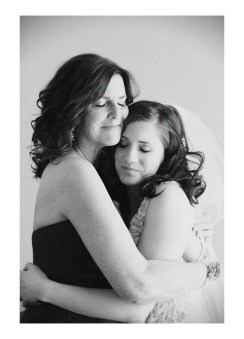
   My mom has always been very supportive of me. There were times I took my inner pain out on my mother and treated her badly when I shouldn’t have. I deeply regret those moments. My mom suffered with me and went out of her way to find me help. Unfortunately, my friend’s daughter refuses her help. If only she could see my friend’s willingness to support and help her, she, too, could find the road to recovery.

d165bffb5be4a7a183975615f2301c27

I am very grateful for my mom and her support. Because I accepted my illness and turned to my mom for help, I owe her a lot of gratitude for helping me reach recovery.

So if you to have a caring mom like my friend is to her daughter, turn to her and embrace her. Give her respect and accept her help. Despite the struggles with her daughter, my friend finds strength within the light.