DISQUALIFING THE POSITIVE

When you are stuck at the bottom of the hole of depression, it’s hard to see anything as good. Good things may happen in your life, but you’re too blinded by negativity to see them. Your thoughts concentrate on what went badly and you totally miss the thing or things that were positive. This is “disqualifying the positive.” An example is you’re giving a speech and you stumble over a few words, but everyone claps and cheers at the end. You think I screwed up the whole speech. My speech sucked. I couldn’t even say a couple of words. You failed to see that despite your mistake, everyone loved your speech.

When my depression was at its worst, I disqualified the positive a lot. In high school I struggled with depression and bullying. I became determined to prove to everyone I was intelligent, but my mind was at war with itself. I worked hard to get passing grades. Passing meant everything to me. I studied for hours for a test and if I only got a “C,” I berated myself. I’m a failure. They are right; I’m stupid. I’ll never go anywhere with that grade. I failed to see it was a passing grade and all the other grades I got in that class were “A’s” and “B’s”. I couldn’t see past one lower grade.

In college I was passing all my classes with high grades, but when it came to calculus, I couldn’t pass no matter how hard I tried. Even when I got a tutor, it still did not make sense to me. I tried everything to get a good grade, but all I could do was get an “F”. My learning disability made math very hard for me and it made calculus like a foreign language to me. I needed to pass calculus to graduate. I had to go to a specialist to prove I had a learning disability to waive the class so I could graduate. I thought, I failed. I’m so dumb. I couldn’t pass one class on my own. I’m so stupid they had to waive a class so I could graduate. I’m a retard like they said I was in school. What I failed to see was I passed all my other courses with high grades, and I at least tried to pass calculus. I also got to graduate.

When I graduated, I just had a humanities degree, so I stayed at the grocery store where I worked. I started in the bakery, then I moved up to the front of the store as a bagger and later got trained as a cashier. I had planned to go on to a four-year college and become a reporter, but my learning disability and mental illness made going on further in college impossible. I stayed on as a cashier. I still worked on my writing, and I joined a writing group to help me improve. I attended writing workshops and conferences. I even had a few short stories published, but I couldn’t see the positive. I kept thinking, I failed. I’m just a worthless cashier. I’m a nobody. What I failed to see was I got a degree despite my disability and my illness, I was still perusing my writing, and I was working a job when in high school and elementary they said I’d be on welfare. I couldn’t see that I was still following my dream to be a published author and my life had an exciting new path.

Even now I sometimes find myself disqualifying the positive. In my writing group we go around and each of us gives our critique of an author’s writing. Others pick out small mistakes and details that need to be fixed or improved. I have a hard time finding such things in another author’s works. My learning disability makes editing hard for me. When the leader of the group goes from person to person I’m thinking, please skip me. I’m no good. I’m not smart enough to give a good critique. I have no idea what to say. I have nothing to say that will help the author. When I start thinking this, I must fight that thinking. I start to think about what I can say about the story like how much I enjoyed the plot and characters. I have to remind myself that even telling the author about a section I liked and a section I may have misunderstood is positive and good feedback. I can still give a valuable critique even if I can’t pick out the small stuff.

If you find you are disqualifying the positive, sit down and list the positive. Say you made a mistake at work and you automatically think you are a failure. Sit down and list the good things you have done at work. If you got a low grade in your class, list the grades you have gotten before that one low grade. Within all negative things there is a positive. Celebrate the accomplishments you made instead of focusing on the mistakes. So what if you mispronounced a word while giving a speech. Celebrate that everyone clapped and cheered at the end of the speech. They probably didn’t even notice your error.

Sometimes I fall into the rut of disqualifying the positive and when I do I list the positives in my journal. I talk with my support system that reminds me of the positive and I continue to fight the thoughts that threaten to push me back into that hole. Because each day I fight my illness and find ways to see the positive, I stand in the light of recovery.

LIFE’S UNEXPECTED PLANS

When I left high school, I thought I had my life all planned out. I would go to a two-year college and then onto a four-year college. After college I would become a reporter for a big newspaper or a television news show. I had big dreams and expectations, but life had another plan for me.

My dreams were quickly shattered. I didn’t realize how hard college would be with my learning disability or how unprepared I was for college’s curriculum. Most of all I didn’t expect mental illness to get in my way. I dragged myself from class to class, throwing up in the bathrooms from anxiety attacks, fighting to keep my eyes open from lack of sleep, and so depressed that I wanted to die. I studied endless hours while injuring myself and planning my death.

It wasn’t until I got stuck at college and put up in a shelter during a snowstorm that I realized I needed to take a break from college. Everyone in the shelter was so nice, but I couldn’t stop crying. I was an hour from home, and I felt more depressed and alone than ever. My parents drove up to get me and I told them I couldn’t keep going to college like that. When the semester ended, I took time off and started working.

First, I started at a fast-food restaurant a half hour from home. Because of my learning disability they only let me do the fries and clean tables. I was scheduled three or two days a week for very few hours. I couldn’t afford the gas so with the help of a program that helps people with disabilities, I found a new job at a grocery store. I started in the bakery.

The bakery manager was loud; he yelled a lot and it scared me. I had to learn the prices of the baked goods in the case, and I couldn’t remember them, and I didn’t speak unless I had to. Keep in mind I was bullied in high school and the manager’s yelling took me back to those days when I was abused. I was forcing myself out of bed to go to work and a few times messed up my schedule. A couple days I thought I was off when I wasn’t and some days I came in too late. I thought I would get fired, but they kept me. Personnel told me I was making too many mistakes in the bakery, so they moved me to the front of the store as a bagger.

I thought being a bagger would be perfect for me. I could silently put groceries in bags and go on unseen and heard, but it didn’t work that way. The guys training me were jokesters and kept joking around with me until I forged a smile. They told me I had to ask customers if they needed carry outs and tell them to have a nice day. I had to speak. I couldn’t hide in my internal misery. My first customer while bagging on my own complained about me to a manager. I was in tears. I went home that night and injured alone in my room.

In the meantime, I was seeing a therapist who told me I was injuring to hurt the people I loved. When I kept coming home from therapy in tears, my mother got mad and told the therapist I would no longer be seeing her. She went on a search to find me a new therapist. I had just started at the grocery store and had no insurance and wasn’t making a lot of money. Finding a therapist I could afford was a challenge.

My mom went to a hospital in another state to ask for help and they referred her to a therapist. The therapist had a sliding fee. They let me pay what I could afford. A psychiatrist in the same office found a program where I could get my antidepressants free.

I worked, I went home, and I went to therapy. I was so depressed and hopeless I couldn’t see beyond my inner hell, but I dragged myself to my job each day. My illness couldn’t take away my determination. I put my all into my job and therapy. My number one goal was to get better so I could return to college and get my degree. To do that I had to tell my therapist my deepest secrets and do the work she gave me to do. She educated me about my illness with VHS tapes on depression. She taught me ways to combat my bad thinking and had me read and do the techniques in Feeling Good: The New Mood Therapy by David D. Burns, M.D.

The cashiers at work began talking to me until I started talking to them. They started making plans with me after work. A group of us would go bowling until 2:00 A.M. and then I would go to work at 8:00 A.M. For the first time in my life, I had a lot of friends, I was having fun, and the customers loved me. The customer who told on me to the manager started becoming a regular customer. The more fun I had, the more my depression began to lift. Then for the first time in my life a guy asked me out and before I knew it, I had a boyfriend.

My therapist had me wear a rubber band around my wrist. If I thought bad thoughts or felt like injuring, I was to snap myself. The rubber band helped distract my mind and it helped me stop injuring. Within six months my therapist said I no longer needed her, and she was taking me off my antidepressants. What I didn’t know at the time was a therapist never takes you off your antidepressants. My therapist warned me that within in a few years my illness would come back, and I would need to seek help.

For those few years I enjoyed life; I went back to college, I worked my job on the weekends, I became a cashier, and I graduated from college. When I went to invite my therapist to my graduation her office was empty, and no one had ever heard of her. I didn’t go on to a four-year college or become a journalist. Instead, I became a beloved cashier, a good friend, an author, and a well-loved wife. I did go through mental illness again, but I worked my way to the light of recovery and have been in recovery for several years.

I continue to fight my mental illness, I’m working hard to get my memoir ready for publication and I write my own weekly blog. I had plans for my life, but God and life had other plans for me. I stand proudly in the light of my accomplishments and in the life that I didn’t plan, but the life I love.

TRIALS OF FRIENDSHIPS

Friendships come in many forms. Some are temporary, some are work friends, some are good friends, and some friendships are special. Special friendships don’t come easily. You are two different people and sometimes you have differences of opinions and sometimes you hurt each other, even though you don’t mean to. When you have mental illness, friendships become harder to maintain. With mental illness sometimes boundaries get over stepped, small misunderstandings become huge tragedies, fear of abandonment strikes, and so on.

I have many very good friends in my life. I have two I’m real close to. Cheryl is like a sister to me. She’s seen me at my worst and at my best. She’s always there for me. She was even at my side when I couldn’t support her. We call each other sis.

My other friend, I’ll call Sandy, is very dear to me also. We both write memoirs. She has several books published and knows a lot about the publishing industry. She gives me advice, she inspires me, and she is a mentor to me, but she also is much more. She has been reading my blog and has also become a part of my support team. She too is like family to me. We have developed a special bond and each night we message each other and talk about writing, our lives, and so on.

Sandy got a new job. She’s working in the same chain of grocery store as I am, but in a different location. I work in Harborcreek, a suburb of Erie Pennsylvania, and she works in a small community forty-five minutes from Erie. Sandy is vision impaired. She can see, but it’s like tunnel vision. Working as a cashier has been a challenge and a culture shock. Working with the public is hard and she has dealt with mean customers. She has been doing well but has been confiding in me about her workdays.

I admire Sandy for taking on the challenge of being a cashier with her vision loss. One night while on messenger she was telling me about her day. I typed something about my day, but she missed it. I made a comment about it. I thought I was being as nice as possible. Her reply was, “I’m taking a break from people.” I apologized several times with no answer.

Then the next day I heard nothing from her. We went from messaging each other practically every day to nothing. My mind went wild. Negative thoughts, self-punishment, cognitive distortions, and fear I was being abandoned took over.

Sandy is one of my best friends and mentor and I was such an idiot. I hurt her. I ruined our friendship. She’ll never talk to me again. I tried to say it nicely, but I screwed up big time.

I texted my fears to Cheryl, and she replied, “You didn’t mess up. She just needs space. Let her be and maybe in a couple days message her without expecting a reply.”

Another day went by. Anguish and fear filled me. I agonized over the message I sent her. I read it several times trying to figure out how I could have worded it differently. I began to punish myself.

You’re such a jerk. Look what you have done you idiot, you ruined a really good friendship. You don’t deserve friends. You just hurt people. She’ll never forgive you and it’s all your fault. You always hurt people. You’re a mess. You don’t deserve friends.

I messaged her if she needed anything I was there and no reply.

I texted Cheryl, “I said the wrong thing to Sandy. I was trying to be nice. I guess I shouldn’t have said anything. Everyone abandons me. She left me. Our friendship is over.”

Cheryl used my blog posts to help me. She typed, “No she didn’t. Stop. You are magnifying and using distorted thinking. Just give her space and she’ll come around.”

The next day I still heard nothing from Sandy. Lou insisted I call her and talk it out. I did, but no answer. I went back to the self-defeating thinking.

It’s no use. Our friendship is over. What will I do without her? She helps me so much with my memoir and now she’s gone. How could I mess up such a special friendship? How could I hurt her? I am worthless.

I told Lou how I felt, and he decide to message her. He told her that I missed her and I needed her. He asked her to please contact me. She didn’t answer and Lou went to bed. Later that night he came down to tell me she messaged him that she would call me the next day. I got out of work early the next night and messaged her I was home. I waited in agony for her to call and she did.

I told her I didn’t mean to hurt her. She said that is in the past and asked if Lou and I would like to go out to dinner with her brother and her next week. We talked for a bit and when we hung up, I felt all the pain I put myself through float away. Cheryl told me she knew it would work out. I agreed she was right, and I should have listened to her. She understood once the thoughts get started, I have a hard time stopping them.

When you can’t control your thoughts, it’s good to have a support team who can help you. Cheryl and Lou helped me reason with my thinking. They helped me calm down even for a moment. It helps to have people to support you and to tell you when your thinking is distorted. Without Lou’s and Cheryl’s help I may have been totally engulfed in my distorted thinking and could have slipped back down that hole.

Even in recovery mental illness plays its games. It took control of me for a bit, but with help I rose above it. My support team helped me stay in the light of recovery.

WEIGHT LOSS STRUGGLES

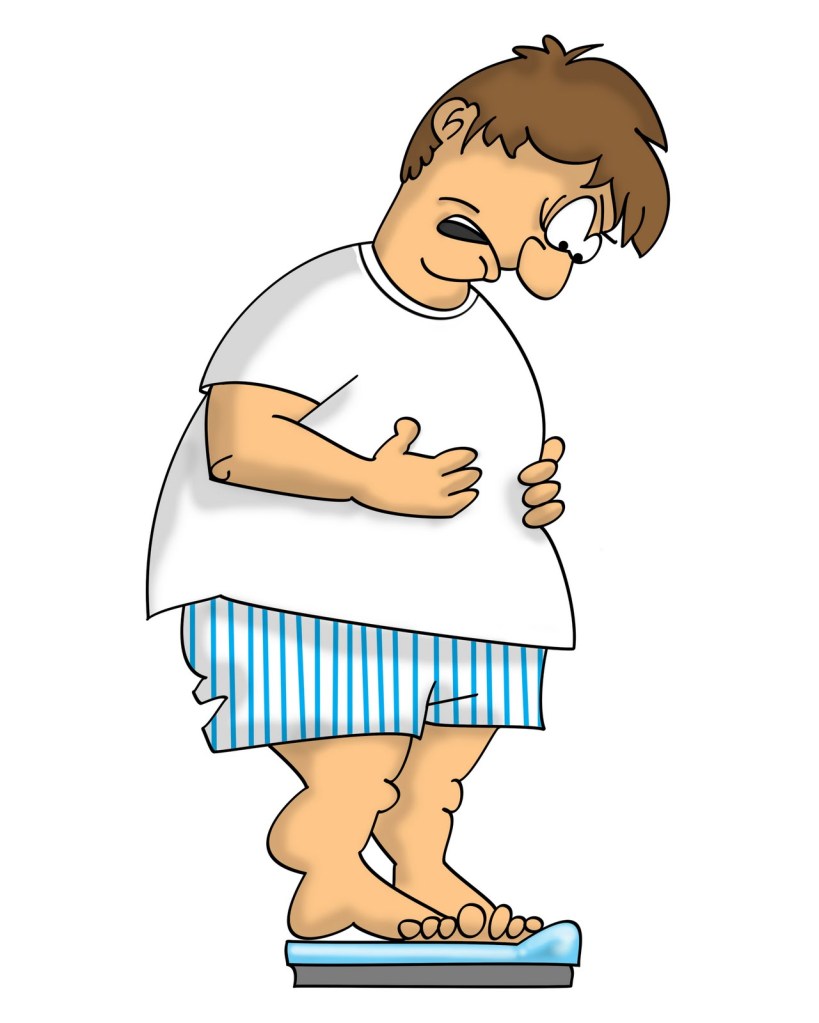
Losing weight is one of the hardest journeys a person can go on. It’s easy for doctors to tell you to lose weight. They’re not the ones who have to cut down portions, change eating habits, find the motivation to exercise, and start a diet and keep to it. Many struggle with weight loss. They find it hard to keep to an exercise regiment, to keep to a diet, and to give up foods they love. Some lose a lot of weight then get off track and gain it back. A weight loss journey can be trying on a person emotionally, since it’s an emotional battle as well as a physical battle.

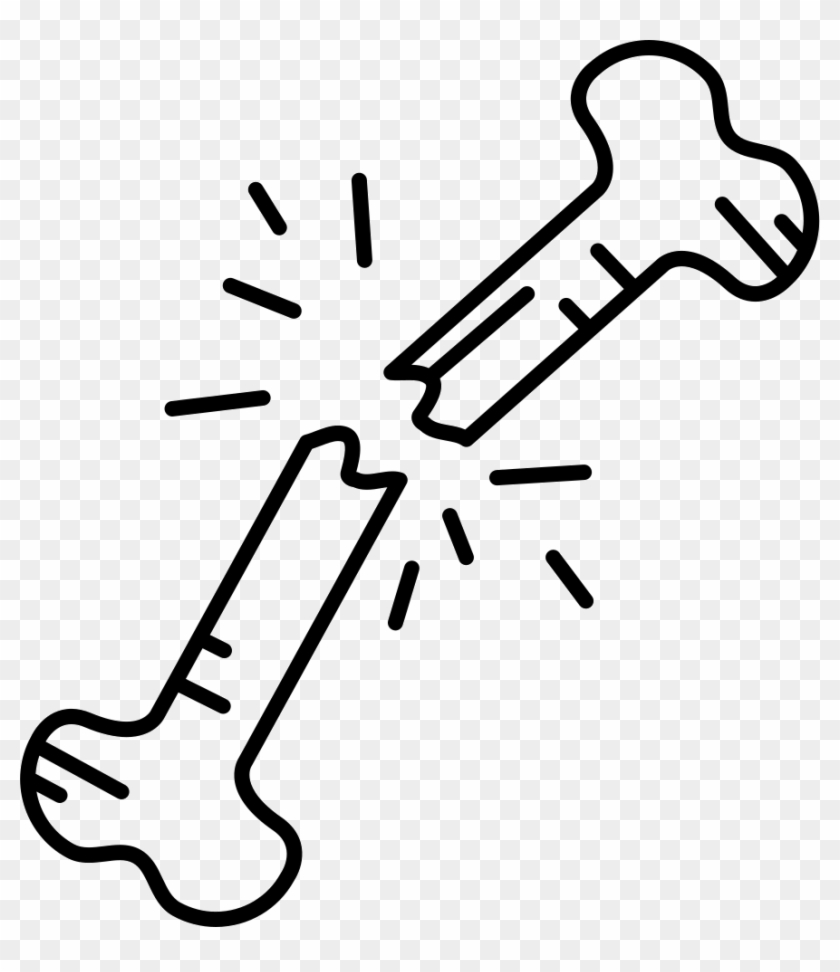
In 2020 I was so proud of myself. My doctor told me I needed to lose weight to have surgery to fix a broken bone in my back. My friend Denise and I began to walk. We even did a 14-mile walk. It nearly killed me, but I did it. I changed my diet. I began to make protein shakes to help with hunger, I started cutting down my portions, and I ate more fruits and vegetables. I lost over thirty pounds.

I was so proud of my accomplishment. I was able to have my surgery. I was pretty laid up after surgery and had some complications that made recovery take longer. In the meantime, I gained some of my weight back, but I was positive once my back healed, I would lose it again. After a year of healing, I was finally able to work out again with Denise. With screws in my back there were some limitations to my exercise routine, but Denise was good at finding ways around them.

Then in September 2021 I was diagnosed with osteoporosis caused by hormone therapy I was taking from breast cancer. My oncologist told me the osteoporosis was worst in my lumbar area and was the cause of the bone breaking in my back. I could no longer lift more than 10 lbs. I couldn’t do the rigorous exercises I had done with Denise. The oncologist told me to do weight-bearing exercises, walk, and to be careful not to fall.

I continued to walk to work, but I lost my drive to lose weight. Instead, I allowed my mind to take over. I magnified my situation. I began to fear breaking a bone. I even began daydreaming of situations where I would fall and break my back. I no longer felt strong. Instead, I felt like a porcelain doll who could break if I wasn’t taken care of properly. I went from working full size register to working express. My self-esteem plummeted and I fell off my weight loss journey.

What if I trip down the stairs in my home in the morning and break my back? Would I lie in pain for hours until my husband got out of work and found me? What if while walking to work I trip and land on my back, breaking it? Would someone stop to help me? Would I be able to reach into my pocket to get my phone and call 911? What if I slip at work and break my back and must be taken out in an ambulance? What if I must have a second surgery, but this time I have to learn to walk again? I became convinced that I was going to end up breaking my back again and it was just a matter of where and when.

I was using the fortune teller error type of cognitive distortions. I was convinced that things were going to turn out bad and I believed it was going to be true. I believed I would fall and end up having another back surgery. I felt helpless. I also magnified the seriousness of my illness. Osteoporosis is serious but not as bad as I made it out to be in my mind. I saw it as a end to my weight loss journey. How could I work out if I could break something?

As I struggled with my emotions, I fell off my diet and have gained almost all my weight back. I keep saying tomorrow I’ll go back to my diet, but tomorrow comes and I find myself snacking on foods I shouldn’t. I stopped exercising except walking to work when the weather is nice.

This Christmas my husband got a bonus from work. We agreed to purchase an exercise bike. I have been working on cleaning out a space in our living room so we can put it together. My friend Cheryl has one and we agreed to do virtual workouts on the bike. I can’t do the exercises I did before, but I can still work out. I need to lose this weight to protect my back. I’m working on rekindling that determination that helped me lose weight for surgery. I’m also fighting those cognitive distortions and my fears by journaling out my feelings and talking to my support team. When I start daydreaming of possible ways I could get hurt, I tell myself to stop and then I try to focus on something positive.

If you fell off your weight loss journey, don’t give up. Dig deep down inside you and find your strength to get back on that journey. If you’re struggling with your thoughts and emotions then use coping techniques to get through them and get back in the “I will lose weight” frame of mind. You can lose weight and keep it off. I know you can do it.

I’m determined to use my exercise bike each day once we put it together. I’m going to work harder at my diet, and I will combat my fears and negative thoughts. I will lose weight in 2022. My determination will help me stand in the light of 2022 as a skinnier and healthier woman.

A NEW YEAR, NEW BEGINNING

    2021 ended, and we ushered in 2022. Do you look back at 2021 and think of all the bad things that happened? Do you reflect on the good things, or do you look ahead? Many make resolutions they never keep in the new year. Many plans on starting diets, declare they will exercise more, decide they will tighten their budgets, and so on. Some of the resolutions get off to a good start and then the person loses interest. We can make resolutions we never follow through with or we can look at a new year as a new beginning.

     The past years have been rough for me with surgeries, illnesses, and loss of loved ones. It’s easy to worry that a new year will bring more problems and heartaches. It would be easy for me to fear 2022. I’m already having problems with my carpal tunnel in my left wrist. It hurts, and I must take several breaks to get the feeling back in my fingers. I had surgery on my right hand in 2021 and I’m worried about how long I can go without having surgery on my other hand. That would be my tenth surgery. I don’t want another surgery. I could dwell on this or think about the new year in a more positive light.

     What new things can I do? What changes can I make to my life? How can I take a leap into a new beginning? 2022 doesn’t have to be another bad year. I could have another surgery, but by doing the surgery, I would be without pain. I could instead of worrying about surgery  focus on finishing edits of my memoir. In the new year my new beginning could be me holding my first book and autographing it. There is always a better way to look at the negative side to life and life’s challenges.

I don’t want to think of the New Year as another bad year. I want to think of it as a year with new beginnings. This is my year to shine in my writing and speaking. It’s my year to try new things and make new memories. I’ve been through so much and the health problems seem to keep popping up. I could worry that more problems will come, but I choose to look at the brighter side. I can’t live my life worrying if another health problem or tragedy is going to happen.

2021 wasn’t totally bad year. I finished writing my memoir, my book went through its first round of edits, I rekindled some old friendships, and my right hand no longer hurts when I write. I accomplished that despite having another surgery, finding out I have osteoporosis and working on the front line as a cashier as we continue to face covid. I have a whole year to make many strides in my life. I will grow, learn from my mistakes, and take new steps.

This could be your chance to start your life over. 2022 can be the year you take control of your mental illness and find recovery, it can be the year you kick breast cancer in the butt, it can be the year you start a life with the man of your dreams, and much more. It’s a new year and your chance for a new beginning. Welcome 2022 with open arms, big dreams, and much more, and reach beyond the inner pain for a new start.

Don’t look back at the bad things that happened in 20121 and dwell on them. Instead, cherish the good things and reach for a better year. Start something new; do something new. 2022 is your year to shine.

I’m not going to look at 2022 as the year I may have another surgery. Instead, I’m going to look at it as a new start with lots of new steps and dreams. I’m going to see it as the year I will have my first book published and my dreams will come true. The light of 2022 is bright, and I am dancing in the light of a new beginning.

HOLIDAY CRAZING

With the holiday craziness I planned to post a older post but things didn’t work out. We surprised my parents with a TV for Christmas. My dad put it up and guess what? You guessed it the TV is broken. Only half the screen works. So I spent time at my parents and on the phone with my siblings working out on how to return the TV and get them a replacement. I think we have it figured out. Anyways I’m very sorry there is no post this week. Please enjoy New Years Eve and day. Be safe, enjoy yourself and may you all find the light in the new year.

Surprise we got you a broken TV for Christmas!!! I can’t help but laugh.

CHRISTMAS RUSH

Rush, rush, rush

From store to store

Buying this and that

For loved ones and friends

The best of the best gifts

Hundreds of dollars spent

Cash spent, credit card bills climb

Hours of pushing and shoving

Fighting for something money can buy

Grumpy, tired, and flustered

Snapping at others

Patience worn thin

Forgetting the true meaning of Christmas

Neglecting the gift given from the heart

A present given to save our souls

God’s son born to save us

Christmas day, the birthday of our king

Stop rushing around

Wipe the frowns away

Smile with joy

Remember what money can’t buy

Give from the heart like God did for us

MERRY CHRISTMAS TO YOU ALL!

ALL-OR-NOTHING THINKING

Last week I wrote about the cognitive distortion called catastrophizing, and this week I would like to write about another many struggle with, including me. It’s called All-Or-Nothing Thinking. It is seeing your personal qualities such as your success or mistakes in black and white. Like if a student in school got two questions on a test wrong, that student would automatically see himself or herself as a failure. The student wouldn’t be able to celebrate his or her got a passing grade. Instead, the person would only see the situation in extreme black and white or in a negative viewpoint.

I developed all-or-nothing thinking in high school. In school I became obsessed with passing and proving to everyone I wasn’t stupid. I pushed myself to succeed at all costs. I spent hours finding ways around my learning disability to study for tests. I had a hard time remembering what I read, I was a slow reader, and I couldn’t keep up with the notes in class. So, I had to make notes from my textbook and put them on index cards. I read them over and over for hours to remember them. I had to pass all my classes no matter what. A low grade was unacceptable to me.

If I didn’t get an A on a test, I saw myself as a failure. I pushed myself hard. I gave up time with my family and had fits of anger when I couldn’t remember things well enough. If I didn’t pass with high grades, then everyone would be right about me. I would be the stupid, loser they all said I was.

This type of thinking followed me into my adult years. I had my future planned when I started college. I was going attend a two-year college to get a degree in journalism, then go on to a four-year college and become a journalist. College was much harder than I thought. Because of my disability, I couldn’t meet the requirements for a journalism degree and instead I got a humanities degree. Then mental illness and my disability made completing college difficult. It took me four years to graduate from a two-year college. My plans were destroyed.

For years I viewed myself as a failure for not being able to go on to a four-year college. I became a cashier, not a journalist. I was a worthless loser who proved that I was good for nothing. I didn’t succeed at my dreams. I let myself down. I dwelled on what I didn’t accomplish instead of what I did succeed at.

For years and even now I tell people I have a journalism degree when I have a humanities degree. I’m ashamed of myself for not getting the degree I wanted. A humanities degree is a basic degree that doesn’t really amount to much. I wasn’t good enough to get a journalism degree. I failed. I was and am a loser. I can’t admit to peoples’ faces that I am a worthless failure. If I tell people the truth, they will look down on me like they did in school. I’m just a cashier not a journalist like I planned.

Repeatedly I tell people I have a journalism degree and I am working as a cashier because I couldn’t get a job as a journalist. I couldn’t see past what I couldn’t do to what I have done. Right now, while I write this, I see myself in another light. For so long I have viewed my life as black and white, but now there is color in my life.

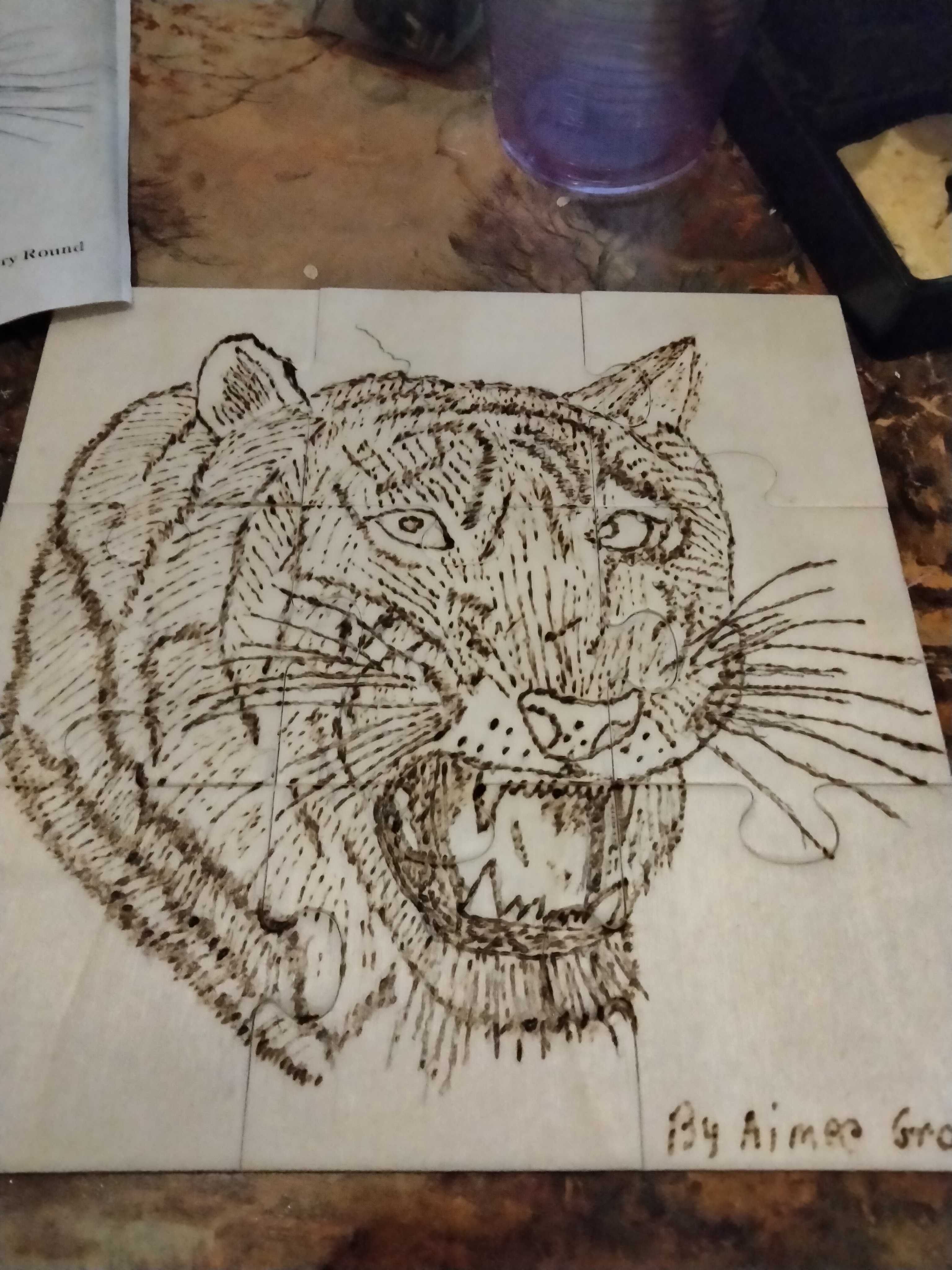
I didn’t fail when I got a humanities degree and became a cashier. I worked around my learning disability to be a cashier, I have written a book, I have a small woodburning business, and I have kept the same job for 26 years despite many illnesses. I didn’t get the degree I wanted, but I continued to pursue my writing. I didn’t go on to a four-year college, but I have touched many lives as a cashier. I have customers who have been coming to me for years. I advocate against bullying and for mental illness awareness through my writing. For so long I felt I had failed when I have succeeded.

It’s so easy to strive for perfection and when you don’t quite make it you look at yourself as a failure. It’s hard to see the small things we do in our lives as successes. We want to be on top, but often the best we have done is distorted into all-or-nothing thinking. We fail to see and celebrate the small accomplishments we make in our life. Instead, we see ourselves as losers when we are winners. All-or-nothing thinking clouds our minds and keeps us from celebrating the positive.

When you think you have failed or are a loser, take another look at the situation. Even though you didn’t get that promotion, look at how far you have come to get to where you are now, and celebrate that. Look for the positive. Write it down and celebrate it. Rejoice that you got a B on a test instead of seeing yourself as a failure. Be proud of that speech you gave, even though you stumbled over a few words. Stand with pride for the job you are working even though it’s not the one you wanted.

I’m standing in the light of recovery admitting I have a humanities degree and rejoicing in the success I am today.

CATASTROPHIZING

When you’re in the depth of the dark hole of depression it is easy for your thinking to become distorted. There are several types of cognitive distortions such as all-or-nothing thinking, overgeneralization, mental filter, disqualifying the positive, jumping to conclusions, magnification (catastrophizing)and so on. It’s easy for your thoughts to take on a life of their own, sending you deeper into your illness. You become stuck in a defeating pattern of anguish.

It’s easy to take a small incident and in your mind turn it into a catastrophe. David D. Burns, M.D.’s book Feeling Good: The New Mood Therapy lists this type of thinking as magnification (catastrophizing). It describes it as exaggerating the importance of things. It’s taking a simple mistake and turning it into a disaster or worse. Just recently I found myself caught in this type of thinking and I wanted to share it with you.

Just a couple of weeks before Thanksgiving I got sick. I had to take two weeks off work. I had my doctor send an excuse for my absences. When I was feeling better, I had my doctor send a return to work note. When I came back, they were surprised to see me. They thought I would be out longer. I worked three days the week of Thanksgiving. We get our schedules online or on an app on our phones. The day after Thanksgiving I checked my app and there was no schedule for the following week. I called the store where I work and was told I wasn’t on the schedule. The coordinator (takes care of the front end and gives breaks) said he would message the front-end manager to find out why.

Early that day I received a paper about applying for disability through work. Before Thanksgiving the store’s personnel manager asked me why I had a doctor’s note to be on express checkout. I explained to her it was because I have osteoporosis and it is worse in my back. She told me they would try to accommodate me but at times I may have to go on full size register.

After hearing the coordinator saying I didn’t have a schedule my mind went crazy. I became determined that personnel was forcing me to take a leave of absence. Osteoporosis doesn’t just go away. It can improve with treatment, but it doesn’t suddenly get better. I have had one infusion so far to stop it’s progression. It would take time to improve. If I had to take a leave, I would never be able to return. It could take years for my bones to become strong enough for me to lift heavy items and to work regular register.

A simple problem suddenly grew into a catastrophe. If I am forced to take a leave, I will lose my job. I can’t sit around home all day and do nothing. I need my job. It’s how I manage my depression. Without my job I would slip deep into my illness. I wouldn’t see my customers anymore and I’d lose my insurance which pays for my medication, part of my infusion, my psychiatrist, and many health problems. I could apply for Social Security disability but that could take a long time and we would go broke and lose our home.

I ran upstairs and woke my husband. I told him what happened and began crying.

He wrapped his arms around me. “It’s probably a mistake. Don’t worry about it.”

I cried harder. “I’m not stupid. I know what they are doing. They are making me take a leave because I have osteoporosis. That’s why they sent me the disability papers.”

Lou wiped my tears away. “Come to bed. You need to be up here with me.”

I went back downstairs and shut the lights off and went to bed. I lay in Lou’s arms and cried uncontrollably. Lou held me, telling me everything was going to be okay.

I sniffled. “I can’t lose my job. I can’t be stuck at home all the time. I can’t go back into depression. They can’t do this to me.”

“Now, now, you’re not going to lose your job. Tomorrow you’ll talk to your manager. It’s probably a mistake. They wouldn’t make you take a leave without talking to you,” Lou whispered.

I buried my face in his chest. “I know what they are doing. They don’t want me working there because I have osteoporosis. I’ll lose my job. I wish I would have killed myself years ago.”

Lou continued to comfort me until eventually I cried myself to sleep. The next morning my manager contacted me. She said because I was off work the company took me out of the computer and she was unable to put me on the schedule. She apologized and assured she would get me a schedule for the following week when she got to work, and she did. The union representative said I probably received the disability papers because they thought I was going to be on sick leave longer than I was.

I took a simple situation and turned it into a catastrophe. I let my mind magnify me not being on to the schedule into something horrible when it was a simple flaw that could easily be fixed. Even in recovery I can have times where distorted thinking takes control of my mind. Who knows what I would have done if my husband wasn’t there to comfort me? I might have hurt myself over a simple mistake.

If you find yourself magnifying a simple incident into a catastrophe, turn to someone who can help you talk it out and see your thinking is distorted. Get David D. Burns, M.D.’s book Feeling Good and read through the types of cognitive distortions and identify which ones you struggle with. Talk to a therapist about them and learn how to change your pattern of thinking into something more positive and how to cope when the distortions become overbearing. Educate your support system about the types of cognitive distortions you struggle with so they can help you.

Through this blog I have educated my husband and friends about the cognitive distortions I struggle with. My husband and friends are good at using what they learned to help me. Without my husband that night I might have harmed myself. I’m happy to have a husband who talked to me and held me until I was calm enough to sleep. With his help I stand in the light of recovery.