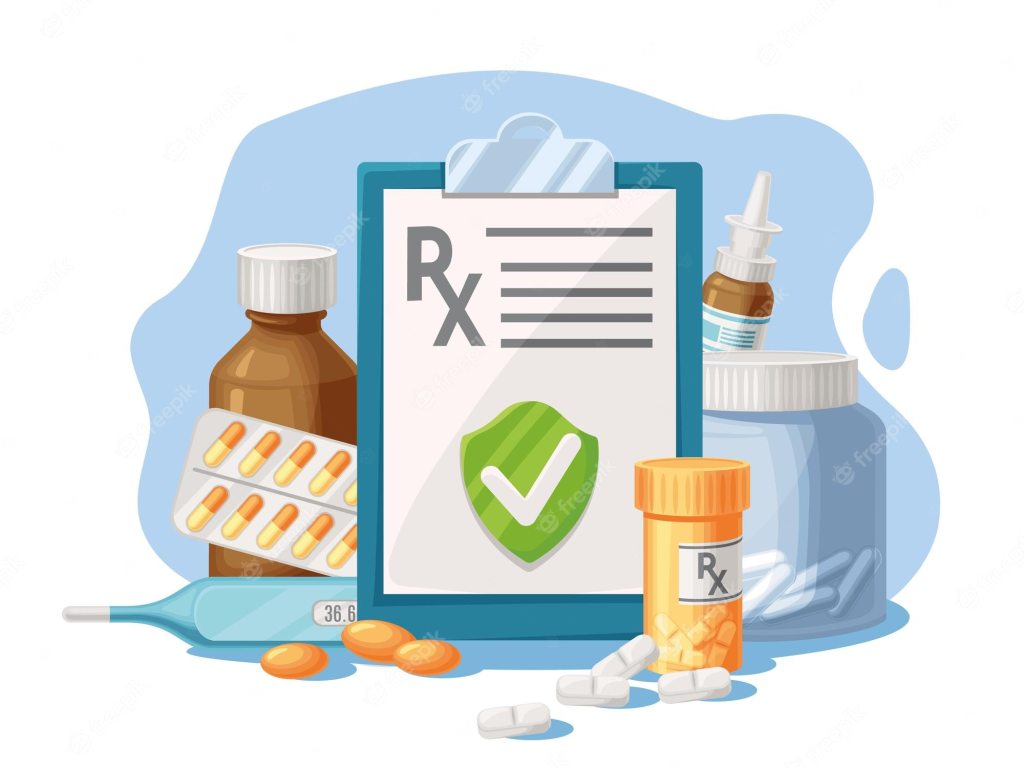
Medication for mental illness regulates the chemicals in the brain to control many symptoms of the sickness. The medicine is very powerful and must be regulated by a doctor or psychiatrist. Sometimes psychiatrists or doctors improperly take patients off medications, causing the return of symptoms and withdrawal. Some struggling with the illness become frustrated with their medicine. They might not feel the relief they need or suffer with side effects. In this case they might take themselves off their medication cold turkey. This is dangerous. Medication should be stopped properly to avoid serious complications.
In Darvin Hege’s MD PC blog post “Abruptly Stopping Psychiatric Meds” he states, “The decision to stop taking psych meds without benefit of mental health or psychiatric planned medication reduction or change can be dangerous, even life threatening. Withdrawal can bring distressing reactions including potentially fatal seizures with unmonitored stoppage of psych meds.”
When I was newly married to my husband Lou, we flew to Georgia to spend a week with his aunt and uncle. His uncle was a psychologist. He noticed my hands were shaking a lot. He sat me down and went into psychologist mode. He asked me questions about my illness and medications. I told him what antidepressants I was on and how long I had been taking them.
“I believe you have been on your antidepressants for too long and they are starting to cause a side effect, the shaking,” he said.
When I returned home, I told my psychiatrist. He decided to send me for tests to make sure it wasn’t anything neurological. I went through several tests. Doctors told me the different illnesses that could cause the shaking, but all the tests came back good. When my psychiatrist received the test results, he decided to take me off all my medication. Immediately I started feeling hot and sweaty. No matter what I did I couldn’t cool myself down. My stomach twisted into knots and just the sight of food made me nauseated. I stopped sleeping. I sat up all night long wishing I could just sleep.
I began having problems concentrating at my job and I made a mistake that resulted in me getting suspended. This devastated me. I cried easily, and my depression hit me so hard that I was thrown to the bottom of the hole. My body began to shake so bad I could barely stand. I felt sicker than I had ever felt. I couldn’t keep food down and became very weak. Lou took me to the Emergency Room, and they gave me an IV of fluids. It was worse than the flu. Lou called his uncle and told him what was going on. His uncle asked to talk to me. I told him how I felt, and he automatically knew I was going through withdrawal.

His uncle told me, “Your psychiatrist should have never taken you off your medicine all at once. He should have carefully lowered the dose until you were weaned off it and then slowly started you on new antidepressants.”
A friend told me about a psychiatrist a family member of hers was going to and I started seeing him. The new psychiatrist started me on new medicine and when it didn’t work, he kept lowering the dose while slowly starting me on a new med. This process helped me get off an antidepressant without having withdrawal.
Medication for mental illness is not a joke. It isn’t something you, your psychiatrist or doctor should play around with. If your psychiatrist or doctor tells you to stop taking your medication without weaning you off, then it may be time to find a new one. When he or she takes you off improperly, they are playing games with your health. A good psychiatrist or doctor will take you off your meds by slowly decreasing the dosage until it’s safe for you to stop it. Always refuse to be taken off your medication improperly.
When your medication isn’t working or you’re having side effects that are making your ability to function impossible, don’t just top your meds. Call your psychiatrist or doctor and tell them about any side effects or that your medicine isn’t working. Let them take you off properly and decide what medication to put you on. Finding the right medication is a frustrating process, but one that should be handled by a professional, not you.
Your health and well-being are important. The best way to stay on the road to recovery is to know the importance of your medication and to allow the professionals to decide how to take you off it and when to start you on a new one. Part of recovery is taking care of yourself and handling your medicine properly.

I have a psychiatrist who knows his medications well, and with his help I bathe in the light of recovery.



 aimeeeddy.com