PROGRESS ON MY NEXT MEMOIR

When my LO was diagnosed with dementia, my whole world changed and my emotions went up and down. I was too emotional to work on my next memoir. I put it aside and started going to therapy to help me deal with this horrible illness my LO suffered with and my feelings. In the meantime, I stopped writing my next memoir. I found it hard to relive the past while struggling with the present. Now that I am dealing better with my emotions, I am writing again.

This past New Year’s Day, I decided to set myself a goal to get back to writing my book. I put in my phone’s calendar that I would write every Tuesday and Friday. I asked my fellow memoir writer and friend, Amy, to encourage me and remind me to write. Amy has been great; every Tuesday and Friday I get a text from her  encouraging me and reminding me to write.

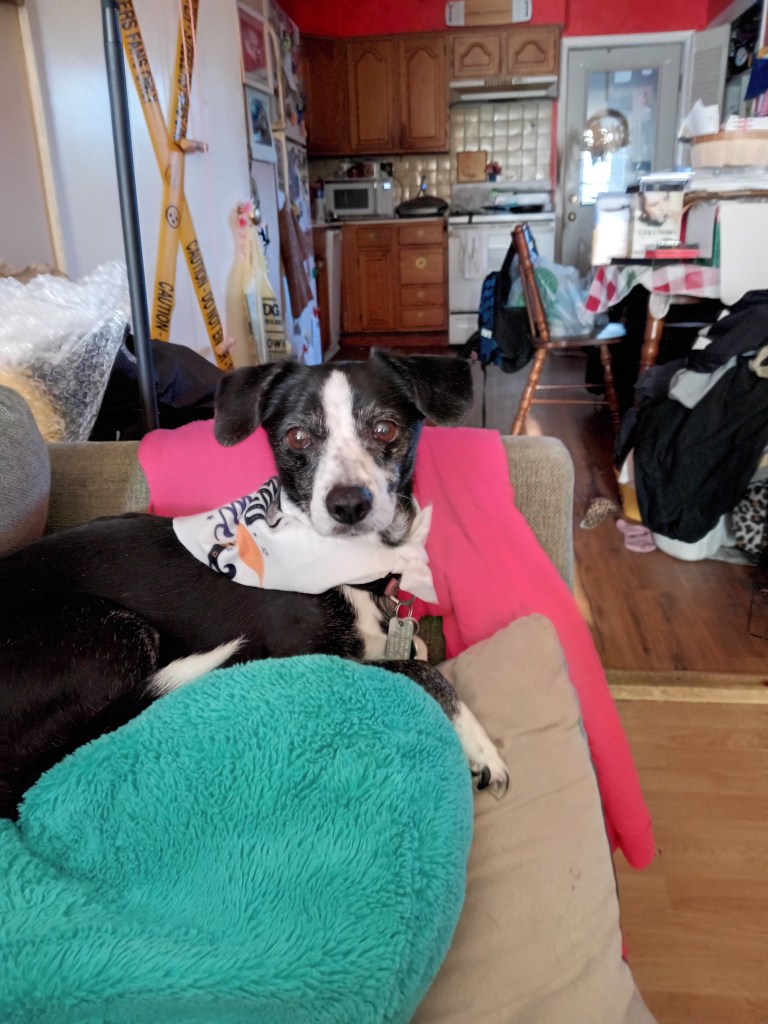
I have been sticking to my goal. Each Tuesday I retreat to a quiet place, and I work on my memoir, The Years After The Garage. I struggle with a few interruptions from my husband and dog. The dog follows me upstairs and always must go out. I write in our bedroom while my husband is downstairs watching TV. However, our bathroom is across from our bedroom, and after he uses the bathroom, he pops his head in and wants to talk. I try to remind him nicely I’m busy writing. I miss the days when he worked early in the morning and he went to bed at seven PM. It was the perfect time to write.

Despite the interruptions, I have been writing. Most writers keep track of how many words they write, but I’m different. I keep track of how many pages I write. I post on Facebook and send a text to Amy each writing night, telling her how many pages I wrote. I usually write two pages each on Tuesday and Friday. I know it doesn’t sound like a lot, but I finished two chapters and started another one.

I enjoyed reliving the Summer Enrichment Workshop for writing I attended in 1991. The program was held at Chatauqua High School. I made a friend on the bus and learned a lot about writing. In the afternoon the teacher took us to Chautauqua Institute, a nonprofit education center and summer resort. The Institute was magical for me and inspiring. I loved it there. I found many wonderful spots to write.

In this new book I still spend time at my grandparents. Instead of my grandparents living at the family garage, they now live forty-five minutes away in a home on endless acres of land. My cousins, Denny and Russell, are no longer around to go on adventures with. My siblings and I must entertain ourselves in other ways. The strong bond with my grandparents is unwavering. Instead of seeing my grandparents during coffee break, we see them on Sundays. We either have dinner with them or come after we have eaten at home.

I’m still bullied in this book, but the bullying changes and I slip further into mental illness. If the garage is gone, how do I escape from the bullying? What keeps me from falling to the bottom of the hole of my illness? How do I succeed when I feel hopeless and worthless?

Right now, I’m working on chapter twelve. I’m starting tenth grade. I have written three and a half pages in this chapter. This book will go to twelfth grade when I graduate from high school. Now I have to start going back to Pennwriters so I can get critiques on the chapters I have written. Pennwriters helps me grow as a writer and improve my writing.

Writing my book helps me help others and heal from the pains of the past. It also helps me strive to stay in the light of recovery.

WHAT RECOVERY MEANS

Many times when we think about recovery from an illness, we think of being healed or back to normal health and strength. Those who are recovered from the flu are healthy again. When it comes to mental illness, recovery has a different yet similar meaning. Most mental illnesses have no cure.

When we’re in recovery we are in a new normal. Our minds are clearer, we’re able to live a functional life, and we are stronger. Despite being in recovery, we still have mental illness, and we must take steps each day to manage it. We still have bad days, but we have coping skills to get through them.

What recovery means to me:

  • I fought a long hard battle and climbed out of the dark hole of depression and anxiety. I struggled with my illness for many years. I used everything in me to fight it and gain control.
  • I have learned coping skills to deal with hard times. I use different coping techniques like journaling, doing hobbies, relaxation, and self-care to deal with hard days.
  • I found happiness. I have taken control of my illness, and I am able to enjoy life and the people around me. I no longer live in sadness. I have fun, I laugh and I enjoy life.
  • I’m stable. I can make important decisions, I no longer cry easily, I can function, and I don’t fall apart like I once did. I can handle things I couldn’t when I was very sick.
  • When I have bad days, I can pull myself up again. Bad days don’t leave me stuck at the bottom of my hole. I work my way through the hard days and climb back up to the top of the hole. I no longer dwell in the darkness, and I don’t let it hold me down.
  • I must manage my illness every day. I take my medication and set up boundaries. I have a support system to turn to, and I know my limitations. I take care of my physical and mental health to stay in recovery. I know that even though I’m doing well I still could easily slip backwards if I don’t manage my illness.
  • I found a new meaning to my life. Life no longer seems hopeless. My life has meaning now. I am important and I make a difference in others’ lives. Life is beautiful and mysterious. It’s a journey that I’m excited to be on.
  • I’m not cured, but my illness no longer controls me. I know my illness will always be there and at times will try to push me down, but it no longer has control over me. I know the signs of when I’m really struggling and when to ask for help. I know how to deal with my illness when it tries to take over.
  • I’m a stronger person. I am a stronger person because I fought this horrible illness. If I can fight mental illness and rise above it, I have the strength to fight any challenge life puts in my path.

What does recovery from mental illness mean to you? Fight your illness and find out what it means to be in recovery. Mental illness is treatable, and most people can find relief from their illness if they are willing to do the work and willing to fight. You don’t have to live your life at the bottom of the dark hole. You can find happiness, function in society, and live in the light. Find your determination and fight the battle to recovery.

It took me a long time to find recovery, but I’m glad I found it. I live a beautiful life in the light of recovery.

AN APOLOGY LETTER

Part of life is getting hurt by people. Sometimes they hurt us by accident, some don’t even realize they hurt us, and some hurt us because they are not nice. Getting an apology helps ease the pain, but not everyone apologizes. How do we mend our broken hearts if a person who hurt us never apologizes?

Since my book has been published, people have asked me, “Has any of your bullies read your book and apologized?”

Unfortunately, none of them has apologized and I don’t expect them to. I’m not even sure they would admit it was them in my book if they read it. My friend, Roberta, suggested I try writing an apology letter from one of my bullies to me. I thought about it and decided that would be a great idea. Below is an apology letter I have written from one of the bullies in my book, Donna. If you haven’t read my book, Escape to the Garage: Family Love Overcomes Bullying, reading my book would give you a better idea about what Donna did to me.

Dear Aimee,

  I’m so sorry I called you a retard and other names in school. I didn’t understand what a learning disability was. I was a fool to think you were stupid. Look at you. You went to college. You wrote a book. You were never stupid or retarded. My words were cruel and wrong. I wish I could take them back. Now I’ve read your book I can see how much they hurt you. I’m sorry I caused you so much pain.

  In school I thought you weren’t smart enough to ever work a job and I told you that you would be on welfare. Boy was I wrong. My life turned out to be a mess, but you went on to college, you got a degree, and you have worked the same job for twenty-seven years. I’m sorry I said that about you. I was so wrong. I’m the one who failed to succeed, but you are a success.

  I’m sorry I took your friends away and turned them against you. I’m sorry I stopped other kids from making a friendship with you. I didn’t feel good about myself and I turned that on you. I made your life miserable. It wasn’t nice of me to tell others lies about you so they wouldn’t be your friend. In a way I was jealous of you. My family and home life weren’t as good as yours, so in turn I made your school days miserable. I’m sorry for that.

  Maybe if I took the time to really get to know you, we could have been good friends. Maybe you could have been someone I could have confided in instead of someone I tore apart. I’m glad to see you were able to rise above the abuse I put you through and are now able to help others.

  You are a smart wonderful person and I’m sorry I never took the chance to get to know you for who you are. I can never take back all the pain I put you through or heal the wounds I caused, but at least I can do is tell you how wrong I was and how sorry I am.

   I am truly sorry for being so awful to you in school. I hope you will forgive me.

Sincerely,

Donna

I’d be surprised if I ever got an apology from Donna, but writing this letter helped ease the pain in my soul. It helped me see Donna as a person who acted out of ignorance and as an imperfect person instead of a monster. I’ll never be able to tell her I forgive her, but I forgive her for my own benefit. I don’t want to talk to her or have her in my life, but she is no longer that evil monster that tore me apart in school. Now I see her as a broken person who used her own insecurities to hurt me.

Try writing a letter of apology from the person who hurt you deeply. It will help you in the healing process and help you to forgive that person. It will also help you let go of the grip that person has on you. Once you have written the letter whisper or yell it out loud, “I forgive you.” Then let the wounds in your heart heal.

Writing the letter to Donna helped me heal. Because I wrote the letter I bathe in the light of recovery.

WHAT IF’S

Do you ever worry about what might happen in the future? You start thinking about what could happen, and then it snowballs into a lot of “what if’s.” You think about so many “what if’s” that you feel tense in the shoulders and neck, you feel sick to the stomach, you have panic attacks, and you can’t sleep. You literally make yourself sick with anticipatory anxiety. Sometimes you get so upset that you cancel plans, stay in bed and block out the people you love.

I am guilty of struggling with anticipatory anxiety and even more now that I am doing somethings on my own since my loved one (lo)is  struggling with dementia. I’m learning to be more independent and to be a caregiver. I once depended on my lo for many things. We were a team, but now I have to take care of some of those things by myself. This is scary to me.

When our nephew passed, we had to travel three hours to his memorial service. My lo and I always shared the driving, and we always drove there in the summer. In the week before the service, I started spiraling with anticipatory anxiety. The “what if’s” swirled around in my mind like a tornado.

What if we can’t get out of Erie? What if we run into bad weather on the way there? What if we get in an accident and end up dead? What if we make it there and the weather is too bad to go home?  What if I can’t drive that far? What if we get stranded on the highway?

The “what ifs” made my shoulders tense, made me sick to my stomach, made my chest ache, and made emotions well up inside me like a ball caught in my throat. I told my “what if’s” to my friend Cheryl and she told me to stop worrying and I’ll be fine. She assured me that she believed I could make the trip without problems, but I couldn’t shut off my mind.

I wrote down my “what if’s” in a notebook and let my therapist read them.

My therapist said, “When you come up with a “what if,” find a solution. For each of your “what if’s,” there are solutions. I have faith you’re very capable of making this trip, but if your anxiety gets too bad, it’s okay to decide to cancel your plans. Have faith in yourself.”

So, here are my solutions for my “what ifs.”

  • What if we can’t make it out of Erie? Solution: If the weather is too bad, we’ll stay home.
  • What if we run into bad weather on the way? Solution: If the weather gets bad, we’ll pull off at an exit and find a hotel for the night.
  • What if we get in a bad accident and end up dead? Solution: Focus on the positive that we will make it safely.
  • What if we make it there and it’s too bad to leave to go home? Solution: I can call off work and stay at the hotel until the weather gets better.
  • What if I can’t drive that far? Solution: I’ll take breaks and take my time getting there.
  • What if we get stranded on the highway? Solution: We’ll pack a shovel, sleeping bags, water, and food.

With solutions to my “what if’s” I had a set plan and our trip no longer seemed so scary. My anxiety began to lift. We packed our car the night before and left early the next morning. Starting out it was snowy and a bit difficult to see, but I kept going. Farther down the highway the snow faded away and the sun shone. It was sunny for the rest of our trip. I stopped a couple times to stretch my legs, but we made it to our hotel without any problems.

The memorial service was on a Saturday, and we were going to stay until Monday, but because of a storm coming across Pennsylvania and much of the US, we left for home after we got some food at the meal after the service. The trip home was great. Sunny skies all the way home. The snowstorm hit the next day, and we were safe in our home. My anxiety was for nothing. I was so proud of myself for making the trip there and back without any problems.

If you’re struggling with anticipatory anxiety, come up with solutions for each of your “what if’s.” Once you do that, you’ll see that you have a plan for things that could go wrong. Having a plan makes the anxiety less powerful and helps ease your physical reactions.

From now on when I’m struggling with anticipatory anxiety, I’m going to come up with solutions, and this will help me stay in the light of recovery.

FOCUSING ON THE POSITIVES OF 2025

When we get close to the end of the year many of us say, “I’m ready for this year to end. It was a bad year.”

We often focus on all the bad things that happened in the year, forgetting there were also good things. It’s easy to think about everything that went wrong in the year so that we can hope that a new year will be better. But it shouldn’t be the negatives of the past year that carry us into a new year. It should be the positives that build bridges for an even better year.

I can easily go through a list of things that went wrong in 2025. It was a rough year with my loved one being diagnosed with dementia and diabetes. I could easily talk about everything that went wrong in the past year, but it serves no purpose. Instead, I will list the positive things that happened in 2025.

Below is my list of positives:

  • I received an award from the president of the United States; I received a proclamation from Buffalo, NY’s mayor, declaring February 21 “Aimee Eddy Day” and I also received other awards for my work for One Life Project.
  • I had cataract surgery on both of my eyes, giving me new vision. I can see without glasses. I just need reading glasses.
  • My husband and I have taken many rides around Erie’s Peninsula. We enjoyed the scenery and time together.
  • My husband retired and I no longer must take the bus to work.
  • I threw a surprise retirement party for my husband and he was shocked. He loved the party.
  • We spent a romantic night in a hotel for our wedding anniversary.
  • I celebrated thirty years at my job with a dinner at Acrisure Stadium and a tour of the stadium.
  • I found a therapist that I really like who is helping me through my loved one’s dementia.
  • I got to see my niece and her family whom I haven’t seen in a few years.
  • I got Thanksgiving week off from work which I haven’t had off in thirty years.

I must admit I had to really think hard about the positives of last year. The bad things that happened weigh me down, but coming up with this list lessened my burdens. It made me realize that last year wasn’t so bad after all. I’m not throwing away a bad year; instead I’m using the positives of 2025 to build a positive bridge into 2026.

I know with mental illness it’s easy to just see the negatives in your life, but there are positives. To you 2025 was a bad year and you don’t see any hope for 2026. Try sitting down with a sheet of paper and reflecting on the past year. Think about the good things that happened like a friend who called to check on you, or after several days in bed you got out of bed. There are positives in your life and if you think hard, you’ll find them. Look at 2026 as a year with hope and new beginnings.

Going into the 2026 with hopes for a good year helps me stay in the light of recovery.

NEW EYES AND A NEW LOOK AT LIFE

I had my second cataract surgery on my right eye on Monday, December 8. The surgery went well without any complications. It was strange; I could hear the doctor and nurses talking and I felt pressure on my eye, but no pain. I wasn’t awake, but I wasn’t completely asleep either. The doctor put a patch on my right eye, and when the nurse took it off the next day the world around me changed.

I got my first pair of glasses in fourth grade. I tried not to wear them as much as possible, but that made seeing difficult. As the years went by, the lenses got thicker. They grew heavier and I had to constantly push them up. I tried to get thin frames, hoping it would make the glasses less heavy, but it didn’t help much. I became accustomed to my bulky glasses. They became a part of me. Every morning, I put them on, all day long I pushed them up, and every night I took them off. It was a routine.

Mental illness is like wearing glasses. We don’t want to admit we have it, so we avoid it as much as possible. Then the racing thoughts, negative thinking, hopelessness, and loss of self esteem grow thicker and thicker. We become accustomed to it and begin to live our lives in darkness. We believe the mental illness has become a part of us. We wake up to it, we drown in it all day long, and we go to bed with it.

With my eyes, cataracts made seeing extremely difficlt. I used a bright light and a magnifying glass to see better. When I went through cataract surgery on my left eye, things started to look brighter. Then I went through cataract surgery on my right eye and when they took the patch off, I could see everything better. I could see a brighter and better world. I was amazed at what I could see without glasses. It was like I got new eyes.

 Some things remain hard to see like words in a book and the guide on the TV. I got a pair of readers but will eventually need prescription glasses to see words on the TV and signs in the distance while driving.

Similar to cataracts, mental illness makes life look like a never-ending road of sadness. You use a therapist, medication, coping techniques, and a psychiatrist to help you find your way to the light. You fight a battle with your illness and in time life begins to look brighter. You take medication to balance the chemicals in your brain, and you change the way you think. Then you climb out of the dark hole and see a brighter and better life. But you still need medication and coping techniques to continue in the light of recovery.

Getting surgery for cataracts gave me a new look at the world, like reaching recovery gave me a new look at life. Since my vision was bad, cataract surgery couldn’t repair my vision completely. Recovery from mental illness doesn’t cure a person completely. There is nothing wrong with having extra aid to get through. I can’t see without glasses to read, and I can’t stay in recovery without coping techniques and medication. Cataract surgery wasn’t a complete cure for my vision, and recovery doesn’t mean I’m cured of mental illness.

There may not be a cure for mental illness, and you will need coping techniques to get through bad days, but your world will look brighter. Just like my world looks brighter after my cataract surgeries. You can live a happy life and find joy. So, I encourage you to fight for recovery and learn to see your life differently.

I not only see the world differently because of cataract surgery, but I see life differently because I stand in the light of recovery.
LET’S TALK ABOUT MENTAL ILLNESS

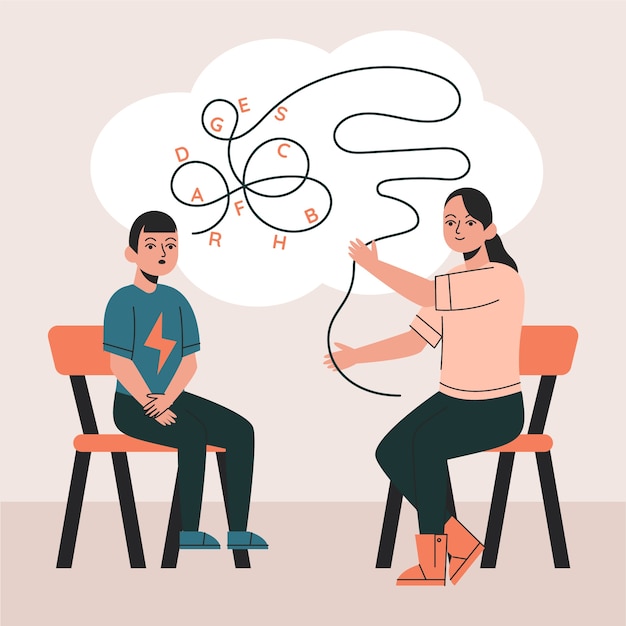
We talk openly about cancer, diabetes, heart disease, eye diseases, and many others. We never judge people with physical illnesses. We know people have no control over these sicknesses, but it’s different with mental illness. Mental illness is not talked about as openly as physical illnesses. Many times when it’s discussed, it is met with judgment and stigma. Because of this many people do not understand mental illness and those who have it hide it fearing they will be judged.

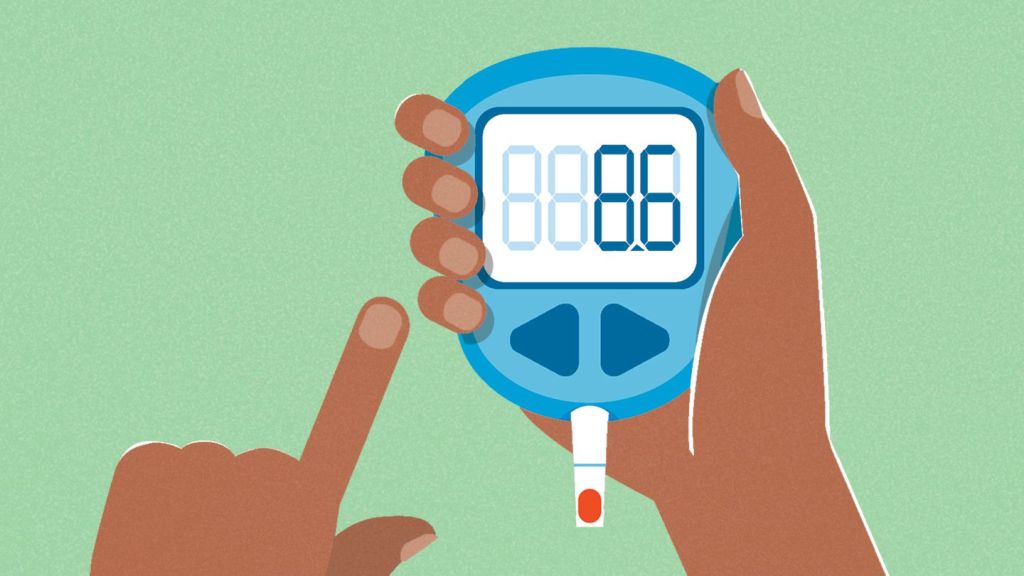
When you have diabetes, you take medicine to maintain it, you change your diet, and each day you take care of yourself to keep this illness under control. Mental illness is not much different. With mental illness you take medicine to control the symptoms, you go to therapy to learn how to manage your illness, and you take care of yourself with coping techniques to keep your illness under control. Like diabetes you have a plan of action and care. Mental illness is like any other illness, yet the sickness is treated differently.

When I was a child and teen, mental illness wasn’t talked about. I didn’t know what it was or that I had it. I just knew something was wrong with me. I didn’t find out about mental illness until I found a pamphlet about depression at college. Even when I learned more about mental illness, I was afraid to tell people that I struggled with it. I’ve heard people talk about people with mental illness as being crazy, and I’ve seen TV shows that made fun of the illness. I didn’t want to be judged, so I put on a smile when I was out in public and fell apart when I was at home.

As an adult, I was hospitalized for my illness. After I was released, I returned to work only to be met by stigma and judgment. A co-worker asked me if I was in the looney bin. When I returned to my job, I worked in the bakery department. Every time I got a simple cut, they asked me if I did it myself. When I got upset at work, I had a box cutter in my hand, and the bakery manager assumed I hurt myself with it. I was forced to sit in an office to talk to crisis, a program that helps people who are really struggling, when I didn’t need to. Later the store manager said that managers could treat me as they needed to because I was a danger to employees and customers. If I’d had problems with any other illness, I would not have endured such judgment.

We judge mental illness because it’s a sickness of the mind. It’s hard to understand when the mind doesn’t function properly, but if we talk about mental illness more frequently and openly, then we can break the stigma. To talk about this sickness, we must also educate society. That’s why I write this blog post and work for One Life Project. I want people to see that mental illness is like any other illness, and we should put an end to the stigma.

If you struggle with mental illness, talk about it with your friends, family, and co-workers. Give them information about your illness or invite them to a therapy session. When I was dating my husband, he went to therapy with me to learn about my illness and how to help me. Let’s push schools and workplaces to talk frequently about mental illness. We need to stop judging mental illness and see it as equal to physical illness.

Many people are struggling in silence with mental illness because they are afraid if they tell someone, they will be judged. If we talk about mental illness without stigma, then more strugglers will ask for the help they need, and we can save many lives. I urge you to stop judging and start speaking out about mental illness.

I work hard to fight the stigma that surrounds mental illness so that some day we can talk about it as openly as we do any other illness. I now openly talk with others about my sickness, and this helps shine a light on my path of recovery.

WRITER’S BLOCK AND MENTAL HEALTH

Some people think that writer’s block doesn’t exist, but it does. I learned in a one day writing conference that there are things that cause writer’s block, such as something is wrong with the story, physical problems, and emotional problems. Sometimes there is something wrong with your WIP (work in progress) that you just can’t figure out. You could also be going through physical problems that may make writing hard. Your mental health can affect your ability to concentrate and write.

I have been searching for the reason I can write this blog but not my next memoir. The words won’t come to me, and I’ve lost the inspiration to work on it. The workshop I took spoke to me. As the instructor talked about the mental health issues that affect a person’s ability to write, I realized that is the reason I can’t work on my next memoir.

I kind of knew what was wrong with my husband before he was diagnosed, but I hoped it was something else. Hearing the doctor’s say diagnosis confirmed what I thought was wrong, shredded my hopes, and made everything very real. I attempted to fight back my tears, but they came anyway. At that moment my whole life, my whole world changed.

I have been in recovery from mental illness for years, but since my husband’s diagnosis I’ve been struggling. My husband is the love of my life, and I have depended on him for many things. To find out he’s sick and only going to get sicker has sent me in and out of depression. I have many emotions running through me. I’m angry, I’m sad, I’m frustrated, I’m scared, and much more. I’m trying hard to be strong, but sometimes I feel weak.

I know my husband is sad about his illness. I don’t blame him, but I don’t know how to help him. I take him for rides after work, I try to do fun things with him, and I attempt to get him to talk about his feelings. He has always taken care of me. When I had a bad day with my mental illness, he always knew how to lift my spirits and help me through it. When I was sick, he would take care of me and wait on me. When I had surgery, he took care of me and took me for rides. He always made sure I took my medication.

Now my husband and I have switched roles. I have had seven surgeries and health problems, and he was my caregiver through it all. Now I’m his caregiver. I’m happy to do it. I married him to be there through sickness and health. I believe he’s stronger than I am. He took care of me without showing sadness or any other emotions. Maybe he kept his feelings inside, but some days I just want to lie in bed and cry while taking care of him. I try to hide my tears, but he sees them.

It’s hard to work on my next memoir when I’m trying to deal with all these emotions I have about my husband’s illness. To write my next memoir I must be strong enough to relive the past, and right now I don’t feel strong enough. I’m dealing with too many emotions to take on reliving past emotions. I can write this blog post because I don’t go deep into my feelings to write most of these.

I wrote down my thoughts and feelings about not being able to write and let my therapist read it. She read it and we discussed it. She told me she’ll help me deal with my feelings and told me she’s proud of me with how I am handling everything. That meant the world to me, because I feel like I’m doing a bad job at handling everything. I have been afraid that I would never be able to finish my book, and I would only have one published book. I’m now hopeful that she will be able to help me get back to writing my next memoir.

If you’re struggling with writer’s block because of mental health issues, journal out your feelings, try coping techniques, and get help. Once you take care of your mental health, you’ll be able to work on your WIP again.

I believe with the help of my therapist I will be able to overcome my writers block and finish my next memoir. Working though my feelings and learning to cope with my husband’s illness will help me climb back into the light of recovery again.

CELEBRATING MY THIRTY YEARS

This Past Wednesday I went to Pittsburgh, PA, to a dinner at Acrisure Stadium, the home of the Steelers football team, to celebrate my thirty years at the grocery store where I work. They celebrated people of different years, starting with twenty-five years and then every five years after. A video was played for what happened at the grocery chain each year that was celebrated. I remember 1995 for more than just starting a new job. It was the year I decided I needed to take care of my mental illness.

Thirty years ago, I was deeply depressed, suicidal, and self-injuring. I tried very hard to push through college, but despite my good grades, I was drowning inside and couldn’t continue. I decided I needed to take a year off and take care of my mental health. My plan was to work at the grocery store for a year or until I was well enough to finish college. Then I would quit, get my two-year degree, and go on to a four-year college, but God had other plans for me.

I started in the bakery. The manager yelled a lot, we had to remember prices of baked goods in the display case, we had to take cake orders and roll orders from customers, and I struggled with that. I talked to no one except when I had to. Every time the manager yelled, I wanted to curl up in a corner and cry. The manager reminded me of the teachers who put me down in school. I fought each day to pull myself out of bed and go to work. I wanted to REMAIN unseen, but that was impossible in a busy grocery store.

After a week or two in the bakery, the manager decided I was not a good fit there. I was moved up to the front of the store, known as the front end. I was given the job of bagger. I didn’t have to talk as much to customers and bagging was much easier than remembering prices. I was still silent unless forced to speak. I bagged groceries and pushed carts, but inside I felt like curling up in my bed and crying until the tears would no longer fall. I wanted my agony to end, and I found relief in hurting myself. My mom went out of her way to get me into therapy.

As I went to my therapy sessions, I pushed my way through my workdays. Cashiers started talking to me between customers. They asked me questions about my family and so on. My replies were short, but as time went by, my answers became longer. I started making friends, I was on medicine for depression, I was going to therapy weekly, and my depression began to lift. In grade school, making new friends was difficult and I was alone a lot, but at my job I became popular. My co-workers liked me for who I was, and that to me was the most beautiful feeling ever.

After my year off from college was up, my depression had lifted, and I returned to college on a part time basis. I continued to work at the store on weekends. In time I became a cashier and began to hold conversations with my customers. I started to get customers who made a point to come and see me, no matter how long my line was. I found that I enjoyed my fellow employees and customers.

In 1999 I graduated from college and went to work at my job during the week and on weekends. I realized with my mental illness and learning disability, I couldn’t go on to a four-year college. It took me several years just to get a two-year degree. I was on a high, though. For the first time in my life, I had friends and a social life. I even began dating, something I never got a chance to do in high school. I stayed out until 2:00 AM bowling with friends, drove half an hour home, and got up and went to work at 8:00 AM. I didn’t get much sleep, but I had fun.

Through my thirty years at the grocery store I overcame mental illness, stopped self-injuring, made friends, tore down my wall, became social, slid into mental illness again, went through many health problems, and found the love of my life. I can’t forget that I recovered from mental illness a second time. I grew into a better and stronger person over the years. For a while I regretted not being able to go to a four-year college, but in time I realized how much I loved and still love working with people.

My customers brighten my day. Each one is special like the one that calls me super woman, and the one who likes it when I tease him, and he tells my customers to pull my finger. There’s the older guy who says I’m cheating on him with my husband and the woman who brings me a pamphlet with interesting facts to read. There are ones who have passed on, ones that are like friends, and ones I’m getting to know. Each customer is special, and they always ask me how I can always be smiling. My reply is, “I love working with people.”

Despite mental illness, I preserved and found happiness and success as a cashier. Sometimes God has different plans for us then what we have for ourselves. Even if you don’t accomplish the goals you set for yourself, that doesn’t mean you failed. Push through your mental illness to reach recovery and discover God’s plans for you. You can make dreams come true, you can build a successful future, you can find new paths, and much more.

I’m proud of my thirty years at my job. I accomplished a lot on the job and personally. I stand in the light of recovery because I didn’t give up.

USING YOUR CREATIVITY TO EXPRESS FEELINGS

Most people are creative. They find joy in art, music, writing, dance, and crafts. Many people use their creative skills to relax and escape from the stressors of life. For people struggling with mental illness, using the creative side of your brain can be a way to express pent up feelings or to tell others how you are is feeling. It’s an excellent coping mechanism.

When I was in high school, I turned to writing to cope with the feelings built up inside me. Feelings of loneliness, sadness, anger, and much more. I poured my feelings out in folders of college ruled paper. I created worlds I could escape to; I filled my characters with the feelings I felt and then I created happy endings. With my stories I felt like I was in control while in real life I felt like I was out of control.

In high school many of my stories were dark and depressing, because that’s how I felt. My mom even suggested that I try adding positivity in my writing. When I was caught in an abusive friendship, I wrote poems about how I felt about the friend. Some of my feelings were distorted and confusing, but I worked them out in my writing. I filled a folder full of poems trying to deal with my feelings about the friend and to understand what she was doing to me.

When my uncle was killed, I wrote about him and what he meant to me and how his loss affected me. I still write about the loved ones I lost in my life. It helps me deal with my grief. It helps me release my feelings and commemorate my loved one’s memory.

I joined a support group for mental illness. One of the strugglers in the group posts a drawing of how she feels each day. Others post drawings and paintings of things that express their feelings. There are also art therapy groups that focus on using art to help people express themselves, explore emotions, and improve mental health.

I use woodburning to express my emotions. I pick out patterns that show my feelings and help me explore my emotions in an imaginative and creative way. Sometimes I combine patterns to make a picture that expresses my feelings the best. The weight of my emotions pours out in the careful twist of my woodburning pen. The smell of burning wood eases my anxiety. As I create my woodburnings, my bad feelings are set free, and excitement and joy replace them.

Other arts that help express emotions are:

  • Painting uses colors and brush strokes to express emotions.
  • Music lets individuals express emotions in a way that is accessible and less inhibiting than words.
  • Dance can help an individual channel emotion in a way that is both expressive and freeing.
  • Collage and craft help an individual express emotion in an imaginative and creative way.

How can you express your feelings creatively through forms of art? You might not be very creative, and your drawings might be stick figures, but it doesn’t matter. You can doodle, you can just dance around your living room, you can scribble, you can knit a sweater with uneven arms, and you can journal random thoughts to express yourself. It doesn’t matter how good your art is. All that matters is that you express your feelings.

Writing my book, Escape from the Garage: Family Love Overcomes Bullying, helped me express my feelings about the bullying I faced as a child. By expressing my feelings, I was able to heal myself and find peace with my past. Writing is my creative outlet for my emotions, and it helps me stand in the light of recovery.