Blog posts

THE IMPORTANCE OF MEDICATION

We all dread to be put on medicine. It seems like there is a prescription for every little problem we suffer with and then a medication for the side effects another one causes. It seems like an endless cycle. Sometimes we ask ourselves if being put on another drug is worth it. Does it really help? For those of us who struggle with mental illness, we might cringe at being put on an antidepressant, anti-anxiety, mood stabilizer, or antipsychotic. We fear the side effects and how they might make us feel. We wonder if they are important.

Medication for mental illness is very important. Most mental illnesses are caused by an imbalance of chemicals in our brains. To balance those chemicals, we need to take medication. Therapy helps change a pattern of behaviors and thoughts a person developed while struggling with mental illness, but therapy is no good without medication. Without something to balance the chemicals you will find yourself unable to climb out of the hole.

I consider my antidepressant and anti-anxiety medications my life savers. They control many of my symptoms of depression and anxiety. Without my medication my emotions take control of me: I cry, I can’t focus, I can’t make rational decisions, I can’t sleep, I get very depressed, and I get sick. Without them I would not be in recovery, but they alone are not what helped me get to where I am.

When I hit the bottom of my dark hole of mental illness, I was so consumed with sadness I could barely force myself out of bed in the morning. I spent endless nights begging for sleep and cried easily. While struggling with those emotions I developed a negative pattern of thinking, I lost my self-esteem, and I developed unhealthy coping techniques. When I finally told my mom about what was happening to me, she searched for help for me until she found it. I started seeing a therapist who helped me work on my thinking; she taught me healthier coping techniques and she worked with me on learning to love myself, but that wasn’t enough. She also sent me to a psychiatrist.

The psychiatrist asked me a series of questions. Some questions seemed crazy like who was the president and what year it was. Other questions seemed logical like how often a day I cried, how many hours of sleep a night I got, was there anything that brought me happiness, and so on. I didn’t understand at the time the importance of his questions, but I know now he was using my answers to diagnosis me and determine what antidepressant might work best for me.

psychiatrist with patient on couch clipart

With the right antidepressant, I was able to focus on therapy and getting myself well. I learned during both times in my life that I hit the bottom of the hole of my illness that medication and therapy work together to help a person become well enough to function and be happy. I couldn’t focus on therapy without medication to balance the chemicals in my brain. Therapy wouldn’t work if my symptoms kept me from functioning and focusing on changing my bad patterns and thoughts. So, I met regularly with a therapist and a psychiatrist.

I’ve had people say they refuse to go on medication for their mental illness. Some have tried herbal remedies like Saint John’s Wort. The problem with a lot of the herbal medications is they are not proven to work; they have not gone through the strict regulations prescription drugs go through. Many people I’ve known who have tried the herbal remedies have found no improvements with their illness. Then again there are some who have found some relief from herbs. My advice is if you choose to go with herbal remedies, but you find no relief, consider prescription medication.

If you want to reach recovery from mental illness, then understand the importance of medication. Sometimes there are side effects, and it takes time to find the right medicine for you, but they are important. Two crucial steps into reaching recovery from mental illness are to find a good psychiatrist and a good therapist. Once you have found both then you can start working towards living life. You won’t be cured of mental illness, but you can live a productive life and find happiness.

I have reached the point of my life where I no longer need therapy. I have a good support system, coping techniques and medication that help me stay happy in the light of recovery.

I have started my newsletter subscribe and get a magnet of an Eagle or a sunflower. Click here to subscribe: http://eepurl.com/iuzWqw

LOVE YOURSELF FIRST

We all want to find the perfect partner to make our lives beautiful and to take our loneliness away. I’ve seen many posts on Facebook where people share their loneliness and if they could just find someone, they would be happy again. The thing is finding the right person is a very hard task. When you’re struggling with mental illness, you can’t have a healthy relationship until you take care of yourself, and you learn to love yourself.

When I was down into the dark depths of my illness, I daydreamed of the perfect man coming into my life and suddenly my sadness and loneliness would disappear. I wanted to find Mr. Right so badly that when a guy came along making phony promises, I thought I was in love with him. He asked me to move in with him and I did. Things changed quickly. It started with him saying I couldn’t use a certain pan because I would ruin it. Then it increased to verbal and physical abuse.

He was a narcissist, and he used my weakness to get pats on the back. He went to therapy with me and told the therapist how I abused him. He told his family and neighbors how hard it was on him to take care of a woman with mental illness so they would feel sorry for him. When he packed my bags to kick me out, I lost control and put my hand through a window. Instead of calling my mom, he called his. His mom sat there as the EMT bandaged my hand telling me if I had treated her son better, he wouldn’t have kicked me out.

I wanted to find the right guy so much that I missed all the signs that my ex-boyfriend was the wrong one for me. I didn’t love myself and I was so sick I couldn’t make clear decisions. After he threw me out, I went into a mental health hospital and started taking steps to take care of myself. When I got out of the hospital, I realized I couldn’t be in a healthy relationship with anyone until I decided I wanted to work towards recovery. How could I truly love a man if I didn’t love myself first?

After I got out of the hospital I started on a journey to recovery. I worked hard to change my thought processes and to learn to love myself. I was doing well, but I kept having bouts of depression. I started to see myself in a new light, but in the process to recovery, I had to end a lot of bad friendships. I was lonely. I was changing into a new person, and I had no one to share that with until I was set up on a blind date with my husband. When I met him, I finally loved myself enough to know I deserved a good man.

My husband has a friend who is struggling with mental illness. He talks continually about finding the right woman. He’s been in several bad relationships while looking for that special love. He tells my husband how lucky he is to have a woman like me. The problem is my husband’s friend does little to work on taking care of his illness and learning to love himself. I’ve told him several times, “Take care of yourself and learn to love yourself first, and in time you will find the love of your life.” Instead, he dwells on being single and goes out with all the wrong women who end up hurting him. I’m not sure if he will ever get the help he needs to work towards recovery and learn to love himself.

I belong to a mental health support group. Many people complain about how lonely they are and if they’d just find a partner, they will feel better. It’s not that easy. Loving someone else doesn’t cure mental illness and take away all their problems. We all want to be loved and cared for by someone special, but how can we give love if we don’t love the one important person in our lives, ourselves?

I know from experience that when we are deep down the dark hole of mental illness, the only thing we can see is our own horrible, miserable existence. We are so focused on hating our lives and ourselves, we can’t even be a good friend, let alone a good partner. When we’re at our worst we can’t even be supportive of the people we care about, let alone commit to a serious relationship. The first step you need to take is to decide if you want to work towards recovery. Secondly you need to find help, and thirdly you need to work hard to get better and learn to love yourself.

Once you learn to love yourself, you’re able to make clearer decisions about what type of person you want in your life. You’ll be able to see the flaws in the people you are dating, and you will be able to give equally to a relationship. Love yourself enough to find a partner who will love you the way you deserve.

Because I learned to love myself, I found a wonderful husband who spoils me every day and I dance in the light of recovery as a beautiful woman.

REASONS TO LIVE

You’re in the darkest deepest part of your hole of depression. You feel helpless, hopeless, useless, and worthless. You see your existence as a burden to your family and friends, and you just can’t stand living in so much pain anymore. It seems like your life is useless and there is no way out of that dark hole except to take your life. You keep asking yourself “why am I alive? What good am I to anyone?” The truth is, even though you might be unable to see it right now, there are many reasons to live.

You might say, “What does she know? She’s in recovery and she’s happy.”

I was once in your place. I had planned my suicide and attempted several times. In recovery I did find that there are many reasons to live. Some who attempt suicide or plan it don’t live to figure out why they should continue. So, I’m here to tell you, “STOP and read this.” Maybe this will change your mind.

Here are some reasons for living:

  • Happiness and recovery are possible. It may not seem like it right now, but you can learn to control and cope with your depression. With hard work you can take control over your illness and find recovery and happiness.
  • You are important. You may think badly of yourself right now, and it’s hard to just love yourself, but with work you can learn to love and like yourself. You are not just a sad, lowly person on this earth. You are a special, unique person who has touched others’ lives without even knowing it. You are important and you deserve to live and know that your existence means something. If you die, you’ll never know how important you are to this world and to others.
  • You have a future. Your life isn’t destined to experience continuous pain. God has plans for your future. You can travel, you can work a successful job, you can find the love of your life, and you can have your own family. You’ll never get to see your future if you take your life. There is a promising future for you just waiting if you’re willing to fight for recovery and if you decide to live.
  • You can make your dreams come true. Have you dreamed of owning your own bakery? Have you always wanted to climb the highest mountain? Have you wanted to go to France, and much more? Dreams can come true if you’re willing to fight and work hard for them. No dream is too big to reach. Believe in your dream and make it happen.
  • For your family and friends. You may think your family and friends would be better off without you, but they won’t. If they find your body or hear that you took your own life, they will never get over that. You would leave them with unanswered questions, endless grief, self-blame, and agony. No matter how hard it is for them to see you so sad, it is much harder for them to weep over your body and stand at your grave wondering how they could have prevented losing you. Do you really want to put them through that?
  • For a chance at a new beginning. Life is rough right now, everything is falling apart and going wrong, but it doesn’t always have to be like that. Taking the steps to ask for help and start your journey to recovery is taking a road to a new beginning. When you do reach recovery, you can rebuild your life and start a new beginning. If you made mistakes in the past, you could put them behind you and start out fresh. Being able to fight your depression and reach recovery gives you a new perspective on life and a chance to live a better life.
  • For you. Decide to live for you because you’re not that deep sadness that is overtaking your existence. You are much more than your illness. You’re a loving, kind, and strong person who deserves a chance at life. God made you for a reason. He doesn’t make mistakes. You are a good reason to choose living. You are a special person who deserves a chance to shine like the star you are. You should be the most important reason to live for. Stop planning to die and choose to live for yourself.

When you start thinking about suicide, think about the reasons you should live. Write them down on a piece of paper or in a journal. Hang them up on a mirror or near your bed. Each time you think you’re better off dead, read over the reasons you should live and decide to fight. When you think you can’t go on anymore, read those reasons. Keep reading them and pushing towards recovery. You can climb up out of the darkness of the hole and stand in the light of recovery. Choose life.

Several years ago, I thought my life wasn’t worth living. In time I chose to live and to fight for recovery. Now I live a wonderful life. I still cope with my illness, but I stand as a survivor of suicide and a stronger person in the light of recovery.

I MISSED A POST

I try to make sure my blog posts come out every Tuesday unless something comes up. This week my only reason is, I forgot. I’m on vacation from work, you would think I would remember, but I didn’t. For a vacation I have been busy. There is a lot going on in my life.

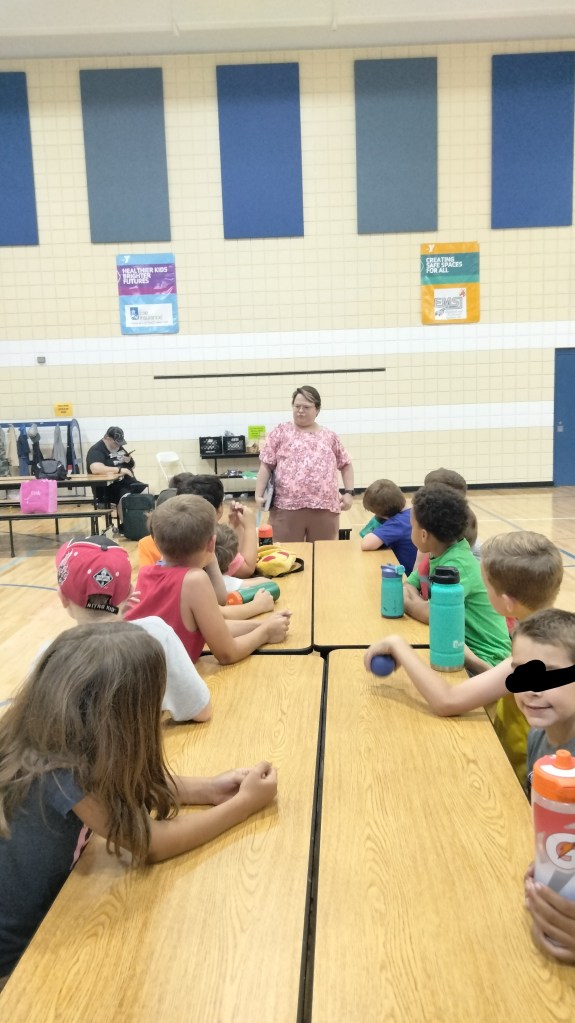
I write on Saturday night. Saturday I went to my Pennwriters group, I went for a ride with my husband and planned my talk for today at the YMCA. My talk with the YMCA went rough at first but got better. I talked to three groups of children. The first group were around kindergarten to second grade. They were a handful. They couldn’t stay still, they didn’t listen and some crawled under the table. I talked to the same age group next week. I have to plan an activity to keep their interest. Any suggestions?

The other groups were older. I’m guessing around 3rd to 6th grades. They listened, they participated with an activity well, and they answered questions. I found an antibullying pledge and had them say it with me. It was great. It was a wonderful learning experience.

Since my last day of vacation is this Saturday I plan to sit down and type out a blog post. I’m working on setting up a newsletter. Setting up the site for the newsletter is a challenge, but I will keep you posted. So keep your eyes open. I will share the link to subscribe to my newsletter once I put it together. So, keep your eyes open.

I AM AN OVERCOMER

What kind of person are you? This is a very important question when you are struggling with things such as a disability, bullying, health issues, and mental illness. First think hard about it. Do you give up? Do you hide in shame? Do you stand up and fight? Do you find away around your struggles? Once you answer these then you can decide what type of person you are. Are you a quitter? Are you determined? Are you a coward? Are you a winner?

I asked myself the question, “What kind of person am I?” at several points in my life. First when I struggled with a learning disability, second when I faced bullying, third while struggling at my lowest point with mental illness, fourth when I struggled with breast cancer, and fifth while continuously struggling with health problems. I concluded that “I am an Overcomer.”

I see each of the challenges I face in my life as something I will find a way around and overcome. Sometimes it takes a while, but I face it head on and I succeed. When I discovered I had a learning disability, I struggled to find my way around it, and I felt defeated. When I reached high school, I found my ways to work around it and made the merit roll, the honor roll, then the honor society, and finally I graduated from high school with a hidden hero speech given about me and five scholarships.

It took me time to find my way around the learning disability and bullying, but once I did, I faced it head on. I spent hours studying, I wrote my own notes from the textbooks, I put my notes on index cards, and I studied the cards for hours. I became very determined I would prove to everyone I wasn’t stupid, and I did. When I made the honor roll some of the kids who once bullied me asked to cheat off my tests. When I was in the National Honors Society, I was given the task to tutor a child in reading for an elementary teacher who once said I couldn’t read. The teacher quickly changed her mind about me. They told me I could never get good grades on my own and yet I did. I found my way around my disability and around the bullying and I overcame it.

When I was at the bottom of the dark hole of my mental illness, I thought my life was useless, I became suicidal, and I felt like I was going to never feel better. I struggled most of my childhood and teenage years with this illness, not knowing what it was. When my cousin was killed in a car accident, I hit the deepest, darkest part of my hole. When I started college, I was in despair. I was planning my death, I was self-injuring, I was getting sick every day, and I wasn’t sleeping. It took all my energy to force myself to get out of bed and go to my classes. I saw a pamphlet at college about depression, and then I knew what was going on with me. I went to my mom for help and started working on a path to recovery. I took a year off college, I started therapy, and I worked hard. I did the homework my therapist gave me, I started a job where I made friends, I got rid of a bad relationship, and I got a social life. I reached recovery, but several years later my mental illness hit rock bottom again.

I could have said, “I give up,” but I didn’t. When I noticed myself falling, I found myself a therapist. While I was struggling, I got involved in an abusive relationship. When he kicked me out of his home he told me, “I can’t help you. You gave up.” I needed to hear those words because they sparked determination in me. I went to several different therapists until I found the right one for me. She knew I was a writer so she had me do homework that involved writing, like putting my feelings down on paper, starting a positive journal, writing out my bad thoughts and turning them to positive ones, and so on.

I decided I didn’t want to live at the bottom of the hole, so I fought to climb out. I carried a journal with me wherever I went, I did the homework my therapist gave me, I fought my negative thinking, I joined a self-injury support group, and I went to a psychiatrist to get medication for my illness. I reached recovery and I have been living a happy life for several years now. I have bad days, but I handle them with coping techniques and the help of my support team. I faced mental illness head on, and I overcame it.

I did the same with breast cancer, nine surgeries, and many health problems. I don’t sit down and give up. When people tell me I can’t do something, I find a way to do it. I felt like giving up several times during my many struggles and at times I felt hopeless, but I didn’t quit. I couldn’t give up. That’s not who I am. I’m a person who faces my challenges head on and I find a way to rise above them and grow from them. I am an overcomer.

What type of person are you? Think hard about it. If you’re struggling with mental illness or other challenges, decide what you want to do about it. Do you want that challenge to define your life, or do you want to work around it and rise above it? Once you make the decision, then you can discover the type of person you are. When you figure that out, use it to propel you forward to success and recovery. Life’s hardships do not have to define you. An illness or a disability doesn’t have to define you. Your willingness to fight comes from the person you are deep inside, and that’s what defines you. 

When I needed back surgery and I had to lose weight to get it, I worked hard with a friend to lose the weight. I faced the challenge, and I overcame it. An overcomer is the type of person I am. It’s what makes me a strong person and is the reason why I stand happily in the light of recovery.

SAINT DAVIDS CHRISTIAN WRITERS CONFERENCE

Writers may be born with the ability to write, but they are not born knowing how to make their writing great, how to market it, how to obtain followers, how to format their writing to be sent out to editors, and so on. To learn about the writing field, we writers must read books and go to workshops and conferences.

June 21 through 25, I attended Saint Davids Christian Writers’ Conference at Allegany college in Meadville, PA. We stayed in the college apartments and went to workshops most of the days. We also had fun things like the literary coffee house, where authors had three minutes to read a piece from their recently published works. There was the Great Saint Davids Auction, where attendees brought new and used stuff to be auctioned off. The money goes into the scholarship fund to benefit next year’s conferees. There was also an awards banquet where we got fancied up, ate a nice meal, and saw who won the different categories of the conference’s writing contest.

I got to reconnect with old friends and make new friends. Conferences are a great place to network with established authors, other authors, publishers, and editors. I did lots of networking with fellow authors and have lots of new support in my writing career.

I met one on one with a woman who taught a workshop on talking to groups in schools. I got lots of advice from her. Now I have an idea on how to take my talk about bullying to schools, and I also have lots of work to get there.

I learned I can get paid to talk at schools and that schools have grants to have speakers. I need to find ways to engage the children in my talks and have them participate. I also learned I need to put together a printable pamphlet about my experiences as a speaker, what I will talk about, a blurb about me, quotes from places I have already talked to, a book order sheet and some other things. I need to get the book, Sell Books and Get Paid Doing Author School Visits by Kim Norman. Over the summer I have lots of work to do.

One thing that I learned at the conference is I must have an email newsletter to gain followers and an email list. Followers will buy my book, tell others about me, and bring more subscribers to my newsletter. Building an email list is important because those are people you can send links to upcoming books or announce books that you may have coming out. The email list you build from your newsletter are fans of your writing and they can help build your following and help with your sales.

I thought maybe I could just get away with writing about my book in this blog, but it’s not enough. I do have a fear of writing a newsletter. I’m not very good at editing. That is part of my learning disability. All writers must have someone edit their writing, but I have a hard time even editing a letter. I don’t know grammar very well. I get confused with nouns, pronouns, verbs, and adverbs. I have tried over the years to learn more about grammar, but I still struggle. I have an author friend edit these blog posts before I post them.

When I came home from the conference, I spent hours trying to figure out how to use Mailchimp (a free program to build newsletters). I just got frustrated and confused. Today I will attend a zoom meeting on how to use Mailchimp, so hopefully I’ll make progress. It takes me time to learn new things. I must be shown several times. Luckily the workshop will be recorded, and I can refer to it.

Keep your eyes open for a place on this site to subscribe to my newsletter and receive a gift. Even though I have risen above the bullying I faced in school, I still fear failure and I worry what people will think of me. So be patient with me as I figure out this newsletter.

I also learned about building platforms. An author’s platform is a way to target audiences by making the author visible to the readers. This means becoming part of online groups, networking, becoming part of organizations that pertain to the subject you are writing about and building a website. I have a website, I’m a director for One Life Project, and I’m part of groups on social media. I learned how to improve my platform and how to become more noticed.

I learned so much that when I got home, I felt like my brain was overloaded and steam was coming out of my ears. I have been going through my notes a little bit at a time. I have lots of homework from the conference to do to improve my marketing of my book and myself as an author.

The best part about a Christian conference is the kindness and caring. I had an asthma attack walking to workshops. Several ladies came to check up on me, one lady drove me back to the apartments, my roommate brought me dinner, and the lady who took me back to the apartments drove me each day to the workshops and the buildings where we used. They prayed over me and showered me with kindness. I could see God working within each person to make the conference a wonderful experience.

The conference lifted me up and gave me a gentle push forward in my writing career. It will help me succeed with my goals and grow as a writer. It has helped me stand in the light of recovery with bigger goals and dreams.

       THERAPY ANGEL

          “If this therapist can’t help you, we’ll find one who can.  I don’t care what it takes.” My mother wrapped her arms around me. “I’ve prayed to God he would send you an angel.”

      We sat in the therapist’s waiting room. There is no hope for me, I thought. 

      In my senior year of high school, my cousin died in a car accident. I slipped into a deep sadness. My sadness only grew after I moved in with my grandparents and started college. I rolled around in my bed at night begging for sleep and found myself sick to my stomach every morning. Why didn’t I die instead? I don’t want to live any more, I thought before I dragged myself to classes. As the pain inside me increased, I discovered cutting myself to gain release from my inner agony.

     After a year, I moved back home with my parents and started seeing a therapist in a nearby town. The therapist told me I was injuring myself to hurt others. With each appointment, I felt more hopeless and my mother became desperate to find me help. She turned to the outpatient clinic of a neighboring state hospital, which referred us to a clinic a half hour away. Even though I had no insurance, the clinic had a sliding scale and was willing to accept what we could afford.

      “Aimee Eddy?” A slim lady walked into the waiting room and extended her hand toward me. “Hi, my name is Theresa.”

      “Hi.” I shook her hand and peace filled me.

      A smile stretched across Theresa’s face and she led me to a small room. “Please sit down and tell me a little bit about yourself and what is going on.”

      I sat down and warmth engulfed me. My fears of talking to a stranger disappeared and my life story spilled out. After an hour, Theresa diagnosed me with major depression and anxiety disorder. She handed me a video on depression, and my assignment was to watch the video before our next appointment.

     “You’ll see that depression is a common illness and

recovery is possible.” She took me back to the waiting room. “You will reach recovery.”

     For the first time in a long while I had hope. Theresa encouraged me to take a year off from college, saying, “You need time to care of yourself. When you get better, you can go back to college.” 

     At the same time, I started seeing a psychiatrist who prescribed medication. Theresa signed me up for a program to get my anti-depressants for free.

      With each appointment, overcome by a calming feeling, my mood began to improve and my depression started to fade. I stopped cutting and began working at a grocery store in the bakery department. In time, I moved to the front end of the store as a bagger.

      “For the first time I have a social life. I never had this many friends during my high school years.” I sat across from Theresa. “When I was in high school, I was picked on and now everyone loves me. I’ve never been so happy.”

    “This is just what you needed.” Theresa’s eyes reflected joy. She leaned forward. “Now–-we will be able to take you off your anti-depressants.”

      “But the psychiatrist told me I’d never get off my medication. He said I’d be on it for life.” I looked into Theresa’s eyes and my heart fluttered.

      “I assure you; you will be off your medication and will no longer need me.” She reached over and patted my hand. “But I must warn you, after a period of five years your illness will return, and you’ll need to get help again.”  

      Could this be true? Am I well enough to get off my medication? Wow, I can’t believe it. It’s a miracle. 

      Theresa directed me to stop taking my medication. I learned years later therapists don’t take patients off antidepressants. Within a year, I returned to college as a part-time student. I continued to work on the weekends at the grocery store and found time for my social life. After three years, I was ready to graduate from college. I sent an invitation for my graduation to Theresa only to have it returned. I went to the building where we had our therapy session and found it empty. No one had ever heard of Theresa and said the office had been empty for a very long time.

     My father rubbed his chin. “She must have been an angel.” 

     Two years after my graduation from college, I slipped back into my depression and began injuring again.  

     Years later, I have reached recovery, but I still must take medication and deal with the challenges of mental illness. Memories of my therapy angel, all that she taught me, and my five wonderful years of freedom that doctors cannot explain have become part of my drive to stay well.

ASKING FOR HELP

It’s hard to ask for help when we are struggling, especially when suffering with mental illness. The stigma of mental illness surrounds us, it’s on the news, it’s in television shows, it’s in the newspaper, and it’s spoken about by misinformed people. Because of this stigma, many who struggle feel alone and scared. Others are afraid to ask for help because they fear they will hurt their family or they don’t understand what is happening to them. The sad thing is many go without help because of these reasons and spend their lives thinking there is no hope when there is.

When I was struggling with mental illness, I didn’t know what was happening to me. In school I felt this overwhelming sadness, I struggled to sleep, I felt hopeless, my thoughts raced, and I daydreamed of my death. I even burst out in angry rages at home. I knew something was wrong, but I didn’t know what. I couldn’t explain to my parents what was happening inside me, so I never told them. I thought I could handle it on my own. When my uncle was killed in a car accident, I fell deeper down that dark hole of sadness. I thought I was having a nervous breakdown.

My sadness got worse when my cousin was killed during my senior year of high school. I fell all the way to the bottom of that hole. When I started college I stopped sleeping, I became suicidal, I started cutting, I couldn’t keep food down, and the sadness was so strong I felt like it was suffocating me. I lived with my grandparents, and I hid from them my agony. I wrote my suicide note and planed my death. I never told them or my parents how badly I was struggling. It wasn’t until my mom noticed my wounds that I broke down in her arms and I confided in her. That’s when she searched for help for me and moved me back home so she and my dad could take care of me.

As I wrote my book, Escape to the Garage: Family Love Overcomes Bullying, I was able to trace the start of my mental illness back to grade school. I ask myself, “What if I had asked for help back then? Could I have saved myself from so many years of suffering?” I believe if I had asked my parents for help, they would have done anything they could for me. When I did ask for help in college, my mom went as far as going to a hospital in a nearby town to find information on how to get me treatment.

I learned that no one can handle mental illness on their own. We need help to face such an awful illness, and there is help. There are organizations like One Life project Inspire Kindness | One Life Project (projectonelife.org) and NAMI https://www.nami.org/Home. Many states have programs that help you get treatment for low cost or no cost, there are suicide and crisis hot lines (call 988 for crisis or suicide, and so on. There are also more sites to turn to for help under resources on this site https://wordpress.com/view/aimeeeddygross.wordpress.com. Turn to your family, and if they are not understanding, talk to a close friend. Don’t suffer alone. 

I suffered alone for many years before I asked for help. By not telling anyone what was going on inside me, my illness only got worse. I could have found recovery sooner if only I told someone I was struggling and got therapy at a young age. I could have succeeded in my suicidal attempts. In college I took a bottle of pills. I was groggy and dizzy and yet some how I drove to my college in a snowstorm. I wasn’t even sure how I got there, let alone safely. The only answer I have is God got me there.

If you are thinking about taking your life and you feel like the only way out of your agony is to commit suicide, tell someone or call a hotline. If need to, have someone take you, or drive yourself to the nearest hospital. You may not see it, but your life is important, and you are important. Your death will hurt others and you have a future ahead of you. With help, recovery is possible. Never be afraid to ask for help.

Even though it took me a long time to ask for help, I did ask and now I am in recovery. I’m surrounded by caring and supportive people to help me with the rough days. I am a strong person enjoying life in the light of recovery.

Next week I will not post a blog post because I will be at Saint Davids Christian Writers’ Conference. I write on Saturday nights and Saturday this week is the last day of the conference. I return home on that Sunday.

TALKING TO A GIRL SCOUT TROOP

As an anti-bullying advocate, I talk to adults and children about the effects of bullying. Most of my talks have been to adults, and that’s important. Adults get bullied, too, and many adults have children in their lives who are dealing with bullying. My biggest goal has been to talk to children. Bullying is a big problem in our schools, leading children to mental health problems, behavioral problems, suicide, and attempts at suicide.

I work as a cashier in a grocery store. During the winter the girl scouts set up tables to sell cookies. I work on express checkout, and the girls were set up next to that checkout. I told the leaders about my book and that I was an anti-bullying advocate. I gave the leaders my business card. One of the parents with the girls had been my physical therapist when I had back surgery and other health problems. She spoke to the leader of that troop with me.

That leader later contacted me to speak to her troop of girls in first through fifth grades. I suggested the leader invite the parents, too. The event was last Wednesday. I usually don’t plan my talks, but this was my first talk for children, I wrote an outline for my speech. I was nervous about bringing my talk down to a level young children would understand. When I stood up and gave my speech, my words just flowed from me. I knew how important it was to reach young children and tell them about bullying because my bullying started in first grade.

The girls listened and raised their hands to tell me about things that happened to them, or things they saw happen to others. They also raised their hands to ask questions. I told one girl a secret and had her pass it around the room. Funny thing is the girls got the secret right, but an adult got it wrong. I used that as an example on how passing around gossip can start out as one thing and by the time it gets passed around, it turns into something different.

I told the girls how each of our differences makes us beautiful and special. I told them we should never judge anyone for being different, and we should never change who we are to fit in. The girls listened intently. I told them that if you must change who you are and bully someone to fit in with others, it’s not worth it. The best friend they could have might be that person everyone puts down.

I told them about my dream to write a book. Then I asked them if they had dreams. Many raised their hands more than once. They had a variety of dreams like being teachers, artist, authors, and much more. I encouraged them to follow their dreams no matter how hard it is.

I asked the girls how many of them had faced bullying. My heart broke when half the girls raised their hands. I encouraged them to talk to their parents or other adults they trust about the bullying. I told them they can’t handle bullying without support from people that love them. I urged the parents to fight for their children and consider looking into therapy if the bullying is persistent.

I told the girls to be kind to everyone, and if they can’t be nice, then don’t say anything. I closed the talk by telling the girls they are each princesses who deserve to be treated kindly and who should also be nice to others. At the end the girls thanked me for coming and applauded me.

Afterward the parents gave some their daughters money to buy my book. I signed the books, including the girls’ names and in each book, I wrote “Stand up against bullying. You are special.” They also had an ice cream social after my talk. While I ate my ice cream, I talked with the mothers. They were impressed by my talk and told me I need to talk in schools. That is a goal of mine for the fall.

When I got home, I was so happy with my speech that I felt like I was flying high. My first talk to children was a big success. I was able to ease into talking to children without any problems and the girls participated well. I know they learned a lot and the parents also learned.

Talking to people of all ages about bullying and its effects helps me soars in the light of recovery.

SPREADING THE WORD

Being a published author is a lot of work. Once you have a book published you must work hard to market it and setting up speaking engagements and book signings. Sometimes it seems like our hard work is hopeless and sometimes it is fruitful. Pushing forward despite the ups and downs is what makes a dedicated author.

On May 17, I had a talk and book signing at Patterson Library in Westfield, NY, a forty-five-minute drive from my home. Many people where I live do not travel past Erie, PA. Some people who live on the east side of Erie never even travel to the west side. Because of that it made it hard to tell my customers and friends about a speaking event out of state. I hoped the library would advertise around their community and surrounding areas. The librarian sent me a copy of the flyer she would be posting around Westfield. I prayed for a good turnout. Most of all I wanted to see the English teacher who helped me with my writing in high school.

We arrived at the library, and my husband and I set up my books, bookmarks, and business cards. Five people showed up and two of them were my parents. The librarian told me my high school teacher had been out of town and she gave me a note card to leave her a message. Despite the small turnout, I spoke from my heart about bullying and its effect on people. One woman who came had also come to hear me talk at another library; she is a big fan of mine. She told about dealing with bullying of her own child. Another woman told me how she faced bullying as a child. The librarian took my business card and said she would contact me for future events. I sold two books. It wasn’t the crowd I had hoped for, but I still was able to spread my message and I opened myself up for future opportunities.

Great things have been happening with One Life Project where I am director of research and education. Alex Kovarovic, the founder of the project, and I have started to do live chats on Facebook. Our first one was with Alex, Alicia, another director, and me. We did a chat about what One Life Project is and mental illness. We had two hundred and forty-seven views. Last Thursday Alex and I went on to talk about mental illness, acceptance, and pride month. We had 2.8k views. We may try to do live chats on Instagram next week. Look for One Life Project on Facebook at (8) one life project – Search Results | Facebook and Instagram One Life Project (@projectonelife) | Instagram. We will be going live between seven and eight PM.

I’m still working my way into my role as director of education and research. I’m waiting to begin going through applicants for my division. I am very happy to be helping young people who are struggling with mental illness, acceptance, bullying, dating abuse and much more. I believe the project will make a big difference in a lot of people’s lives. If you’re interested in volunteering for One Life Project, go to www.projectonelife.org.

Wednesday I am talking to Girl Scout Troop 20442. The leader has invited parents and community members. If you live in the area, please come to Faith Lutheran Church at 5414 Lake Rd, Harborcreek, PA at 6:00 PM. There will be an ice cream social after, and they welcome one dollar donations.

I met with a specialist for my asthma, and he may have the answer to why I keep having asthma attacks. He believes acid from my GRED is coming up into my air passages while I’m sleeping causing them to be inflamed. I now have a stronger inhaler, medicine for inflammations, and tests to come. I’m praying my asthma will be under control soon so I can set up more speaking events.

Because I am determined to spread the word about bullying and mental illness, I am helping others. By helping others, I continue to heal past wounds and I stand proudly in the light of recovery.