COGNITIVE BEHAVIORIAL THERAPY

When you are struggling with mental illness, you develop bad behaviors that turn into a pattern of bad choices that worsen the illness. We learn to cope in the only way we know how, and without therapy, our techniques can be damaging to us and those around us. Also, while struggling with mental illness, we develop bad thinking patterns that are self-destructive. How do we change these behavioral and thought patterns? The best way to change them is through behavioral therapy.

The first question you may have is what is behavioral therapy? The website healthline, defines behavioral therapy as a form of therapy that looks to identify and help change potentially self-destructive or unhealthy behaviors. It’s based on the idea that all behaviors are learned and that behaviors can be changed. The focus of treatment is often on current problems and how to change them. Behavioral Therapy: Definition, Types & Effectiveness (healthline.com)

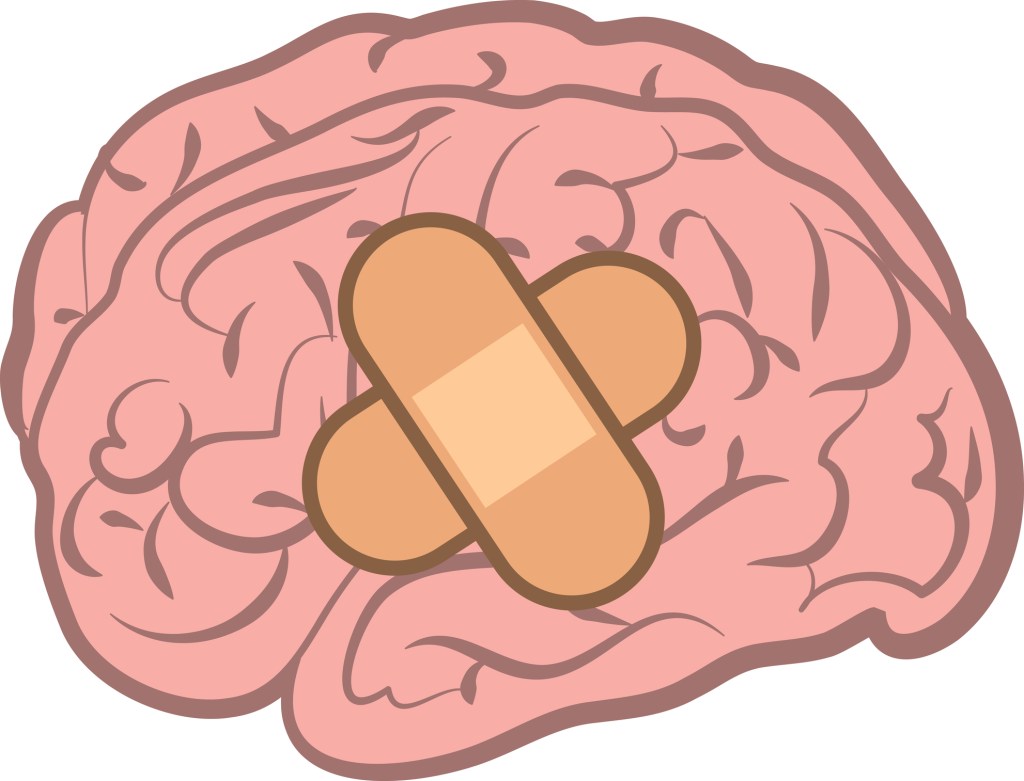
A popular form of behavioral therapy is cognitive therapy. This deals with the bad thought patterns you form while you are sick. This type of therapy focuses on how negative thought patterns lead to unhealthy behaviors. Your negative thoughts can lead to poor choices, bad relationships, angry episodes, bad coping techniques, and a lack of interest to live a productive life. If you believe you’re an awful person and you don’t deserve to be treated well, you may fall into bad and abusive relationships.

Through bullying at school, I learned to hate myself, and my thoughts became negative and self-defeating. I couldn’t see anything good about my life, and this led me into a series of abusive relationships. A high school friend abused me in ways I can’t say. I held onto her tightly because I thought I needed her and couldn’t live if I lost another friend. Another friend as an adult stole my paycheck, made false promises, and lied, but I stayed loyal to her. Another friend stabbed me in the back over and over and yet I moved in with her and her husband to only be treated badly. I made poor choices in friends because I felt I was worthless and didn’t deserve better. My thinking pattern ruled my actions.

For a long time, I stopped writing because my thoughts told me I was a failure, I was an awful writer, my dreams were hopeless, and I wasn’t smart enough to write a book. I was stuck with a dream to write a book, but I believed my dream was impossible to complete. So, I put my pen down and my computer away and dwell in self-defeating thoughts. That thinking pattern prevented me from achieving my dreams. After years of being told I was worthless and a failure, those ideas were drilled into my head. With that cognitive distortion I was stuck going nowhere. My dream to write a book faded.

In cognitive behavioral therapy I learned to challenge my thoughts and turn them into positive ones. I began to identify the type of thinking I was using like magnification, disqualifying the positive, jumping to conclusions, and so on. In therapy I learned how to practice self-affirming thoughts, to journal something positive about my day and about myself each day. It’s hard work and takes a lot of time, but it changes your life.

Now I make better choices. I cut off unhealthy relationships; I notice the signs of negative people and I keep my distance. On my road to recovery, I ended a lot of bad relationships. I learned that I deserve healthy and happy friendships, not ones where I end up getting used, abused, and hurt. The friends I have chosen lift me up, support me, and treat me well and I am able to treat them the same way.

Since I have fought the negative thinking about my dream to write a book, I have written and published a book. I have short stories published and I have won several contests. I’m no longer stuck in a world of self-defeat. I no longer feel like a failure. I’ve been on the news and in the newspaper talking about my book. I’m doing talks about bullying and I’m doing book signing. Changing my thought pattern changed my life.

Cognitive behavioral therapy is effective and a big part of your road to recovery. It’s not easy to do. It takes a lot of hard work to change the way you have been thinking for a long time, but it’s worth it. If you have the right therapist, he or she will give you homework and show you ways you can use this type of therapy in your life. Changing your thinking will not cure you of mental illness, but it will lead you down the road of recovery. Your bad thinking will not disappear forever. You’ll find yourself from time to time falling into your old patterns, but you’ll have methods to combat them. Cognitive therapy teaches you healthy coping techniques.

I am happy with the life I live and the accomplishments I have made. By going through cognitive therapy, I have learned coping techniques that help me stay in recovery and keep me above that dark hole. Because of cognitive therapy, I’m thriving in the light of recovery.
HELPING ONE PERSON AT A TIME

We can all reach out and help each other through volunteering. Giving a little bit of your time to a cause that means a lot to you strengthens you as a person and helps you help others. There are a lot of organizations that need help, but one that means a lot to me is The One Life Project created by Alexander Kovarovic. This program fights for teens, college students, and young adults who are struggling with mental illness.

One Life Project’s mission statement is: The One Life Project works to build and create a kinder world where we educate, advocate for, and support teens, college students, and young adults who are struggling with mental health in the hopes of preventing suicide in young people and ending the stigma that surrounds mental health.

I volunteered several years ago with another nonprofit Alexander ran. I believe so strongly in Alexander’s missions that I agreed to volunteer with his new nonprofit, One Life Project. The Project’s mission means a lot to me. I use my blog to fight the stigma that surrounds mental illness, to educate others, and to inspire those who struggle with mental illness to fight for recovery. By volunteering for One Life Project, I am taking my advocacy even further to help in an even bigger way.

I am assistant to the director of One Life Project, and I will be dealing with research and education. It is an important position. I will have other volunteers under me who I will direct to do research that will be put on One Life’s website. It’s important that we provide as much information to the public as possible to help educate, guide, and save lives. I can also do some research of my own. I also write for the Project’s blog.

You don’t have to sacrifice hours that you could be working, spending with family, studying for school, and so on to volunteer. I am volunteering on my days off. If you can only give one day a week or a couple hours, your help is valued. Volunteering for One Life Project is your chance to help others learn about mental illness and to help those who are suffering with this awful illness. There are many ways you can volunteer and there are many aspects to this project. To explore the project and to find out about volunteering, go to their site at Inspire Kindness | One Life Project (projectonelife.org).

A lot of issues tie into mental illness such as bullying, dating abuse, sexual abuse, suicide, and more. One Life Project deals with every aspect of mental illness and even the related issues. We put together information to educate, train, and inform society about these topics. One Life Project also arranges events to bring awareness to mental illness. It’s our job as volunteers to reach out and help others. We may be just helping one person at a time or maybe hundreds. We are helping save lives and bring change into our world by volunteering to this nonprofit.

Suicide is a big problem among our teens, college students, and young adults. Young people are taking their lives because they feel there is no other way. They’re struggling and are afraid there is no help for them. By bringing awareness to suicide prevention and mental illness, we can give these younger people a second chance at life. We can show them there are other choices and there is help. How can you turn down this chance? How can you not volunteer for this project?

According to the World Health Organization, “Globally, one in seven 10-19-year-olds experiences a mental disorder, accounting for 13% of the global burden of disease in this age group. Depression, anxiety, and behavioral disorders are among the leading causes of illness and disability among adolescents.” You can find this information at Mental health of adolescents (who.int).  That is a lot of young people who need help. Imagine giving a young person a chance to get help and reach recovery.

One Life Projects motto says it all, “Be true, be you, be kind.” The goal is to create a kinder, more understanding, and accepting society for everyone despite their differences. The Project accepts everyone as the special unique individual they are. Please consider volunteering.

Checkout the Spectrum News interview by clicking this link. When it asks to log in click ask later. https://spectrumlocalnews.com/nys/capital-region/public-safety/2023/04/17/one-life-project-nonprofit/

Because I am volunteering for One Life Project, I am growing stronger as an advocate for mental illness and I stand tall in the light of recovery.

ADULTS ARE BULLIED TOO

We hear quite a bit about children being bullied. It is a big topic in the news and on social media. However, the fight against bullying should stretch beyond the walls of schools because bullying also happens to adults in their workplaces, communities, and even churches. Many children who bully learned how from their parents. They see their parents bully and think it is all right.

I have never faced bullying in my community, workplace, or church, but I have witnessed it. Being a victim of bullying as a child, I know how harmful this type of abuse is to a person. I worked in the bakery department of a grocery store and witnessed bullying. A Greek woman worked there with us. The others found fault with her traditions, how she did things at work, her accent, and so on. They insulted her accent and her lack of knowledge of American ways. They made snide comments to her and made fun of her behind her back. They insulted the work she did, and they did what they could to get her in trouble.

I enjoyed working with the Greek lady and learning about her customs and country. I even admired her accent. The others claimed that she had been in our country long enough that she should not have an accent. They were foolish. You don’t just grow out of it, especially if she still spoke the language at home. To me her accent made her unique and exciting.

They bullied her daily and when she tried to fight back, the manager punished her for it. The abuse got so bad that she left the store and found a new job. I see her from time to time and we fill each other in on our lives. She is much happier now. I was and am angered that she was bullied so badly she had no choice but to leave. I’m angry that the manager of the bakery didn’t defend her. Bullying should never happen in a workplace and this should have never happened to my co-worker.

I also witnessed bullying in a small church I was going to. One woman seemed to take it on herself to run everything, and she had her faithful followers. If she didn’t like someone, neither did her followers. She bullied a person who means a lot to me. She made this person feel small and worthless. When the person tried to revive the Sunday school, the woman put her down and made it evident that the person would fail. Other church people joined in on the bullying. They excluded the person from events, put down her clothing styles, her role as a housewife, and so on. The person struggled emotionally with the bullying. It dragged her down and tore at her self-esteem. She was judged in the place where she was supposed to receive acceptance. She ended up leaving the church. The only person who is supposed to judge us is God, not our fellow parishioners.

Gossip is a big problem in communities and even in workplaces. One person tells something about a person, and by the time it gets around it turns into a whole other story. People’s lives are destroyed by gossip. That odd man who keeps to himself killed his son, then it turns to he killed his son and wife and next he killed a family that suddenly moved away in the night. What they may not know is that odd man is simply different and lived an interesting life. He may be just waiting for the right person to tell his story to. His son may have died unexpectedly from an illness.

We need to fight bullying not only in our schools but outside of our schools. If we show our children how to treat each other with respect and teach them not to judge by our example, then maybe we can prevent some bullying in schools. It’s our job to not only stand up against bullying in schools, but to stand up against all bullying. Wheter the victim is a defenseless child or an adult, this type of abuse is damaging and needs to stop. Stand with me to stop bullying.

I’m working hard at spreading the word wherever and whenever I can that bullying is abuse and we must rise together to stop it. In advocating against bullying, I am healing my own wounds and helping others. I am standing stronger in the light of recovery.

BORDERLINE PERSONALITY DISORDER IS A TRAUMA BASED ILLNESS

Borderline Personality Disorder or BPD is often confused with multiple personality disorder, but they are not the same. BPD is an illness that disrupts a person’s life and it can be categorized with PTSD as a trauma-based disorder. It fits a lot of the criteria as a disorder caused by trauma. Many who suffer with this illness faced some form of trauma at a young age.

When I was first diagnosed with BPD, a psychiatrist I was seeing was confused on how I got it. I had and have very loving parents. They never abused me in any way. My psychiatrist insisted that those with this illness were abused by their parents. He was wrong. BPD doesn’t just come from parental abuse; it comes from any kind of abuse. The abuse I suffered was from the bullying I faced as a kid.

You may ask what is Borderline Personality Disorder?  “Borderline personality disorder (BPD) is a psychiatric disorder featured by intense fears of abandonment, difficulties in emotion regulation, feelings of emptiness, unstable interpersonal relationships, impulsivity, and heightened risk-taking behaviors, as well as high levels of interpersonal aggression,” states the authors of the research, led by Benjamin Otto of Ruhr-University Bochum in Germany. (Found on Psychology Today website  in an article called How Childhood Trauma Can Trigger Borderline Personality Disorder | Psychology Today.) Symptoms of this illness are rapid mood changes, fear of abandonment, impulsive behavior, unstable relationships, self-harm, explosive anger, and unclear or changing self-image.

If you look at the definition and symptoms, you can see how it can relate to trauma. I can see it in the symptoms of my own illness. I feared and still fear abandonment. When I was bullied, many of my friends or people I thought were my friends, hurt me, turned their backs on me, or moved away. A girl at school did her best to make sure others would not become my friends and she convinced those I thought were my friends to turn their backs on me or they would be picked on. After facing that, how could I not be afraid of abandonment? Repeatedly as a child I felt abandoned.

After being tormented day after day at school, my emotions became out of my control. It didn’t take long from me being sad to suddenly in the middle of an out-of-control episode of anger and rage. I threw things, I fought with my siblings, I called my parents’ names, and I screamed from the top of my lungs. It was like a small flame suddenly turning into an inferno. It was hard to control my emotions. I went from being fine to being a mess in minutes. I had so many emotions from what was happening to me in school that I just couldn’t control them.

I didn’t get caught up in risky behaviors, but I self-injured. In school I pulled my hair and punched hard surfaces. In college I began cutting myself. I felt so many emotions that I had no control over and the emotions hurt worse than the wounds I inflicted on my body. Each nasty thing a fellow classmate or teacher said to me caused an emotional wound. Each day that wound was being dug at and widend. The pain was excruciating and the only way to escape it was to pull my hair or punch something. This allowed me to escape from the hurt even if it was for a few minutes.

The unstable relationships started with friends leaving or turning their backs on me. In high school I became friends with a girl who abused me when I was at my lowest. No matter how badly she hurt me, I couldn’t let her go because I was afraid of being alone. As a young adult, I became friends with people who used me and took advantage of me. I even got into an abusive relationship with a man. I wasn’t sure what a good friendship or relationship was because throughout school I didn’t have too many decent friendships. I had one very good friendship in high school and into my college years and I messed it up because I was afraid she’d hurt me. I wrote her a not so nice letter.

As for my self-image, well, that was a mess. I didn’t know who I was or why I was even alive. Was I the retard my teachers and classmates called me or the smart girl who just learned differently that my mom said I was? I saw myself as a worthless person that God made a mistake in making. I hated myself. Self-hate was basically beaten into me by the names I was called and how I was treated.

As you can see, my BPD was caused by the abuse I faced in school. For those with BPD the trauma can be caused by physical, verbal, or sexual abuse, from neglect, having unstable parents, or parents addicted to drugs and alcohol. The abuse doesn’t have to happen by a parent; it can be from anyone who harms you.

If you think someone in your life is suffering from BPD, get him or her help. Be very selective in finding a therapist or psychiatrist. Not all know how to treat this illness. Research BPD and write down questions for the therapist and psychiatrist. Most importantly, ask them if they have experience in dealing with BPD. Also look into group therapies that are centered around BPD. When I was diagnosed, I participated in a group therapy that taught me a lot of coping techniques.

It took me years of hard work to take control of BPD. With therapy, support and hard work I now have the symptoms of BPD under control, and I stand happily in the light of recovery.

SPEAKING EVENT

While I was writing my memoir, a fellow writer told me that I was going to become an advocate. She was right. Since my book came out, I have become very passionate about speaking out against bullying and sharing my experience with the world. My book is a testimony of the bad effects bullying has on a child, and the effects are the same for an adult. I am proof a person can rise from that bullying to help others. I believe God helped me write my book so I can help others.

Saturday, I gave a talk at McCord Memorial Library in North East, PA. Twenty-four people attended. So far that is the biggest audience I have had for my talks. Most of those who came were older people. One lady whom I had met through Facebook brought her teenage son who was facing bullying. I spoke from the heart and received a big applause at the end. Many told me how inspirational my talk was, some shared experiences with bullying, and many told me I am an excellent advocate for those who have been bullied. It was great, but I realized something. I need to find a way to speak to younger adults and children of all ages.

I’m working with a lady from my church speak to the youth group. I need to also find ways to speak at schools. I have a customer who works at a local school who hopes to have me speak there, but I haven’t heard anything from her yet. If you have suggestions on how I can bring my messages to schools and parents of children, please leave a comment.

A common question I have been getting from my readers is “How do you become an advocate?”

There are different kinds of advocates. My friend Alexander Kovarovic gave me some advice on this topic.  This is what he told me: Advocates are people who want to step up to make the world a better place for a certain reason like suicide prevention, bullying, domestic violence and more. This can be as simple as people sharing things on social media, going to events etc. Advocates are also people work on creating laws, people who run nonprofits and people who run charity events. To become an advocate, it’s good to start by volunteering for a nonprofit.

For me I became part of a nonprofit organization called National Internet Safety and Cyberbullying Taskforce (which is now called The One Life Project). First, I wrote blog posts for them and then I helped them set up events and interview volunteers. Then my book came out and I began to set up speaking and book signing events. Then being an advocate fell into place. I found myself able to stand up in front of people and speak from the heart without even planning my speech.

I think the biggest part of becoming an advocate is to find a topic you may have lived through and rise above or something you passionately want to change and speak out about it. Find a nonprofit that deals with your topic and volunteer. Learn as much as you can about your cause and how you can help others. Be willing to speak at events in front of crowds of people. If you have experience with your topic then share your story. Your story can help many.

I believe my talks and my book is helping many. I received a email from a reader who said by reading my book she learned more about bullying and the affects it has on people. I hope that many more are learning from my book too.

By speaking out against bullying I am growing stronger each day and I stand proudly in the light of recovery.

BULLYING AFFECTS MENTAL HEALTH

Bullying is aggressive behavior towards another person whether it be verbal or physical. It is a form of abuse. Many people can remember a time when they were bullied by another kid or an adult. When the bullying is a prolonged problem that expands over weeks, months, and years, it takes a toll on the person’s mental health, causing problems that may require medication and therapy to treat.

Bullying has effects on a person’s mental well-being that can last a long time or go away in a short time. It took therapy and medication to help me deal with the scars that bullying left on my soul. People can already be predisposed to mental illness through genetics and chemical imbalance, and the bullying brings it out.

I found lists of short-term and long-term effects of bullying on WebMD The Effects of Bullying on Mental Health: Impact and What To Do (webmd.com).

Here is a list of short-term effects of bullying:

  • Anxiety
  • Depression
  • Low self-esteem
  • Self-harm
  • Suicidal thoughts
  • Difficulty sleeping

The long-term effects are:

  • Generalized anxiety
  • Panic Disorder
  • Agoraphobia
  • Depression
  • Loneliness

Many of the short-term effects can go away in time, but sometimes they follow you into adulthood. I struggled from childhood to now as an adult with depression and anxiety. As a child I started self-harming by pulling my hair, pinching myself, and hitting myself. In my young adult years, I started cutting and burning myself.

 During my school, I struggled to sleep. I had nightmares about my bullies, my thoughts raced, and I was afraid to go to school the next day. I tried sleeping on the couch, snuggling with stuffed animals and I tried to fight my racing thoughts, but nothing helped. My sleeping problems continued into my adult years. I am currently on sleeping medication. Sometimes the medicine doesn’t even work. Instead of nightmares I struggle with obsessive worrying and racing thought.

I was also predisposed to psychological problems. Mental illness runs in my family and I have a chemical imbalance in my brain. These factors also made me more vulnerable to mental illness. The bullying was another factor that helped me slip down that dark hole. 

If you’re a parent or family member of a child or even an adult who is being bullied, look for the short and long-term effects of bullying. When you start to notice the short-term effects you should get the victim help. Also investigate your family history for mental illness. Know if it runs in your family, there is a chance you or your child may be predisposed to it. Tell your psychiatrist and therapist about your family history.

Any type of abuse takes a toll on a child’s or an adult’s well-being. We can save the victims of bullying by standing up for them, standing up against bullying, and helping the victims get help.

Speaking out against bullying and writing about it helps me stand proudly in the light of recovery.
LIVING MY DREAM

In high school I found out I had the talent to write. I daydreamed a lot in class as a way to escape the bullying I faced, and I started writing my daydreams in notebooks. The best part of writing was that I was in control of what happened to my characters and I could give them happy endings. It was in high school that I started dreaming of publishing my own book. I dreamed of doing book signings and giving speeches. I just never imagined that it would feel this good.

Since I started writing my book, I have been telling everyone about my memoir and my writing progress. Even my dentist. This past week my gums started hurting when I drank or ate cold beverages or food. I called my dentist’s office, and they had an appointment for me. I brought my book to show the dentist. She went around to the employees in the office and asked them if they would like a copy, and she was buying. Before I knew it, she wrote me a check and told me she needed seven books. On the way out the secretary told me she wanted a book too, but she was paying for her own. So, all together I sold eight books at the dentist’s office. Bad news: I have gum disease. Good news: I made money at my appointment.

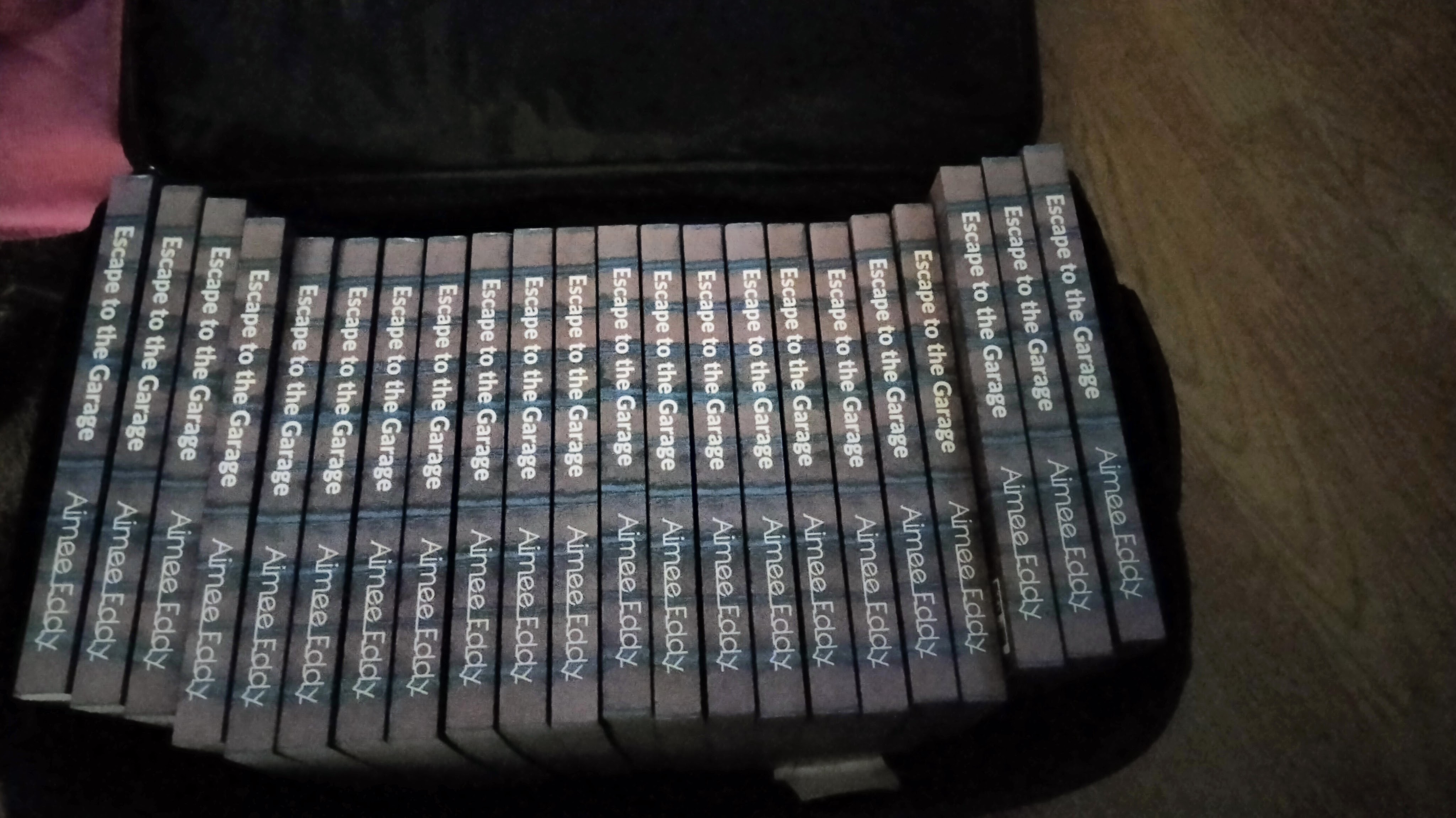
I have learned to take a few books with me wherever I go. I sold a book to my doctor and several books at my breast cancer support group Christmas party. I never know who will want to buy a copy of my book. I keep a bag with four books in my SUV and when I go to parties, out with friends, or to appointments I bring a couple with me.

Saturday the fourteenth I did a book signing at a small bookstore called Werner Books. A reporter from a local news station came and interviewed me. The interview was aired Saturday at 6 P.M. and 11 P.M. I watched it at both times. I was so excited to be on TV. Then on Monday my customers told me the interview of me was aired again. Customers keep coming in my line, telling me they saw me on TV, congratulating me, and asking where they can buy my book. Some customers are waiting in my line to get their books signed. I feel like a celebrity. Thursday Werner books contacted me and said they sold out of my books, and they had a waiting list for more. I took ten books to them. click the link below to watch me on the news.

https://www.yourerie.com/news/local-news/local-author-teaches-children-about-overcoming-bullying-with-new-book/

I can’t explain how wonderful I feel. I feel like I am floating on a cloud. My dream came true, and it feels better than I could have ever imagined. One customer insists I should be on Good Morning America. That is a long shot, but who knows. God has plans for me and my book. I just know his plans are big. He gave me the talent to write and the ability to share my story with the world. I’m letting him guide me in my path to stand up against bullying with my book and speaking.

Monday the sixteenth I spoke to Lawrence Park (the area where I live) Historical Society. I only sold one book, but I sold several, “Stop Bullying” leather bracelets I had woodburned. It was a small group of around ten, but I just spoke from the heart. Many who were there already had my book and just wanted to hear me speak. The Historical Society paid me to speak for them. It was my first paying speaking engagement.

I believe I survived bullying and the damage it caused so that I could write my memoir and talk about bullying to help others. I want to make as many people as possible aware of the affects bullying has on a person. I urge people who come to my talks to buy my bracelets and to wear them to show the world we are standing up against bullying.

My next speaking and book signing event is February 25 at McCord Library, NorthEast, PA at 10:00 A.M. I have a customer who works at a local school looking into having me speak at the school.

We don’t struggle through hard times for nothing. Our struggles and what we learned from them can help others. I’ll never be able to stop all bullying, but if I can help a few people and bring more awareness to it, I have accomplished a lot.

These wonderful experiences of selling my book and speaking to groups of people have me dancing with joy in the light.

Take the pledge today to stand up with me against bullying by buying one of my leather bracelets for $5.00 and wearing it with pride. Leave a comment if you would like a bracelet or email me at aimeeeddy3@gmail.com.

REMEMBERING THE POSITIVES OF 2022

Facebook is full of posts about how bad 2022 was. We tend to leave the old year thinking about all that went wrong. We feel like we are shedding the hardships of a past year to start over in a new year. How about thinking about the positives that took place in the old year and using those positives to fuel a stronger and brighter new year? Every year we have trials and hardships, but we also have good things that take place in our lives.

As I prepared for 2023, I sat down and thought about 2022. I created a list of the positive things that took place in my life. Below is my list.

  • I published my first book. It has been my dream since I was a teenager to have my very own book published. I will always remember 2022 as the year I made my dream come true.
  • I found that I can speak passionately about something I feel strongly about. Since my book was published, I have been giving speeches about the damages of bullying. Without writing out a speech, I have spoken from the heart and it came out powerfully.
  • An article was published in a local paper about me and my book. Since the article came out, people have complimented me, told me their stories about being bullied, and have praised me for my hard work.
  • I went a whole year without surgery. After going through several surgeries, one after another, I am proud to have made it through 2022 without any surgeries or major health problems.
  • My husband and I took a long trip to my best friend Cheryl’s. I had not seen Cheryl in six years, and the trip to see her was priceless. We even got to spend time with her daughter Brianna. Lou, Esther (our dog), and I had a wonderful time at Cheryl’s house.
  • I spent a day with my niece from North Carolina. My niece came to visit family on her fathers’ side, and I took her out to lunch, shopping, to my house, and to Dairy Queen. We had so much fun together.
  • My niece, Kayla who lives in Tennessee, gave birth to her third child, an adorable boy, my great nephew. I got to meet and hold Decaln for the first time on Thanksgiving.
  • I threw my husband a big sixtieth birthday party. His birthday was in February, but in July I threw him an outdoor party. Despite the rain, it was a wonderful party and I enjoyed seeing him so happy.
  • Esther, our dog, healed well from surgery. She had a large stone in her bladder caused by an infection and had surgery to remove it. She is doing great.

My list of positive helps me look back at 2022 with a smile, and it allows me to look forward to more joy in 2023. I’m ready to continue to grow and succeed in the new year. I face the new year like a shining star shooting into a year with bigger dreams.

Sit down and write about your positive events of 2022. Don’t dwell on all the bad things that happened. Let the good guide you into a new year. As you go through 2023 remember to face the hardships with strength and hold the positives close to your heart.

2022 did have some hardships, but the good outweighed the bad. I ended 2022 with a heart filled with joy and I face the new year with even bigger hopes and plans. Keeping track of the positive helps me stand brightly in the light of recovery.

This is the last week for the contest. Become a follower now so you can be entered to win a prize. If you are a follower encourage your friends to become followers.

AN INSPIRING STORY OF RECOVERY

    In this blog I have concentrated on depression, anxiety, and Borderline Personality Disorder. Those are the illnesses that I deal with daily. There are many other different types of mental illnesses. These illnesses are serious, but recovery still is possible. In this week’s interview, Marc Stewart gives us insight into a different type of mental illness. His story is inspiring.

What type of mental illness do you have and what are the symptoms?

My main diagnosis for over the last 30 years has been paranoid schizophrenia, later diagnosed as delusional disorder. It mostly manifests by my overestimating the hostility of other people–even so far as to once believe the FBI and university faculty were conspiring to drive me crazy. This notion was ludicrous, of course, because I am such a good guy. To this day, however, I tend to misanthropy based on my experiences with paranoia.

During a routine blood test, doctors discovered a blood anomaly that they thought might be due to my antipsychotic medication. The blood anomaly turned out to be leukemia. Ironically, my delusions then largely disappeared when the doctors discontinued the medication, but I developed mania associated with bipolar disorder. I became exuberant. My wife would say I was “Marc, only more so.”

What type of help or therapy did you get for your illness?

Fortunately, for most of the course of my illnesses, medication was able to relieve the utmost severity of the symptoms. While delusional, I was still largely able to function in the world. The medication for mania has practically cured my mania. Luckily, I never had the urge to harm anyone other than myself—suicidal ideation being a constant reminder that things aren’t peachy keen. I never seriously tried suicide, but don’t know why not.

Over the years, I have had several therapists who have been helpful for the most part—although I can barely remember what we talked about. My last therapist would listen to me talk for 45 minutes, then would take 15 minutes to tell me that I am fine. Indeed, I was.

When did you realize you had a illness and what did you do when you discovered it?

I first realized that I had paranoid schizophrenia about three weeks after I had been admitted to a big university hospital. I thought I had died and gone to a Sartrean No-Exit hell. I even tried to call the police to report my kidnapping. Accordingly, I quit trying to escape from the psychiatric unit and began to seriously comply with treatment—therapy groups and medication. 

What advice do you give to others struggling with mental illness? 

My advice to others struggling with mental illness is to understand as best they can exactly what their mental illness is. This involves consulting psychiatrists, therapists, other patients with similar and not so similar diagnoses, and relevant books. I have found philosophy and poetry particularly helpful. 

If in recovery, what steps do you take to stay in recovery?

I stay in recovery by religiously taking my medication and applying myself to the business of understanding life. Mental illness can be seen, for example, as a rational response to an irrational world, rather than an irrational response to a sensical world.

How has your family reacted to your illness?

Because I did not have flagrant symptoms, my family largely downplayed my mental illness. I was just “depressed”—depression being less stigma-oriented than psychosis.

     My wife of twelve years is a nurse and has been very supportive of me and a big help in my dealing with mania. We have no children. My parents are dead, but my brother and sister have largely written me off as “crazy” Uncle Marc. Nevertheless, we treat each other civilly.

How does your illness affect your ability to work?

I am retired now but managed to work part-time throughout my mental health problems. I did not live well, but adequately. I spent over twenty years doing peer support in mental health.

What is it like to function in society while struggling with your illness?

I find myself largely able to function in society. Continually, though, I must remind myself of the likelihood of my overestimating the hostility of others and that I am still not normal, whatever normal is. 

What encouraging words do you have for those struggling with mental illness?

Encouraging words for others with mental illness: Mental illness is a long-term disease that is in no way your fault. You will need to accept a certain amount of suffering on account of your illness, but there are a few things you can change. Some of your attempts at adjustment will work, but many will fail. Recovery is a lifelong experiment, but in the end you will probably prevail.

Marc Stewart’s Bio:

Marc Stewart was born and raised in western Pennsylvania. He attended Penn State University and the University of Minnesota where he was active in the Scum of the Earth Club, an artsy organization. He and his wife, both retired, live now in western Pennsylvania.

Give Marc your support by commenting and sharing this post. Please let me know if you would like to be interviewed for my blog post. Your story is important and can help and educate others.

I DON’T NEED A HERO


   We all have heroes in our lives. They can be movie stars, parents, or people who performed a courageous act. Heroes are people we cherish deeply and look up to. Then there are people who try to play hero. They go out of their way to get a pat on the back and praise. When you’re struggling with mental illness, you tend to lean on others for support, but what you don’t need them to do is play hero.

   When I was with my ex-boyfriend, he made it a point to tell his friends and family about my mental illness and how helpless I was. The worse my illness became, the more he bragged about how well he was taking care of me. Everyone praised him on what a good person he was for taking care of such a helpless wreck. He even told my therapist about all he was doing for me and how I was ungrateful.

   He took care of everything for me and wouldn’t let me help out. He wouldn’t let me be his partner; instead he wanted to be my hero. He wanted everyone to believe he was my hero. He controlled me like an animal, causing my illness to worsen. He told people I abused him, when in fact, he abused me. All I wanted was him to work with me through my illness, but instead he told me he was going to take care of me on his own.

   I didn’t want him to be my hero. I wanted him to be my partner. It angered me each time he bragged about what he was doing for me. I hated how his family felt sorry for him and told him how wonderful he was. I cringed each time they told me how grateful I should be. He made me feel small, useless, and helpless.

   When I met my husband, he stood at my side and agreed to go to couple therapy to learn how to handle my illness. He comforted me, supported me, and told no one what he did for me. He never asked for a pat on the back; he just did it because he cared. He also allowed me to do things for him. I taught him how to drive and he taught me how to love again. He showed me he needed me as much as I needed him. He never played hero and refused to be called my hero. Instead, he became my partner.

   Together, as a team, we took on my illness and we still do. He allows me to do stuff for myself and for him. We figure out challenges together. We do almost everything together. We are partners.

   Just because somebody is mentally ill doesn’t mean he or she is incapable of doing anything. He or she does not need a hero. Allow him or her to do things for him or herself and you. Show him or her that you will work with him or her to get better. Don’t ask for praise from others. Just be at the person’s side because you love him or her. Don’t play hero; be a partner, a friend, and a supporter.

   I might need a little extra attention and support than my husband does, but I do take care of him, also. We face the complication of my illness,and we take care of our home and other responsibilities together. I also take care of some things on my own with his support. Because he doesn’t try to be my hero, we share our lives with happiness and I dance within the light.