
Listening to others’ stories about how they struggled with mental illness and worked their way to recovery encourages and educates people. Nicole Galloway Miller is a friend I met years ago when I was self-injuring and struggling with my mental illness. Nicole was struggling too. We became a strong support system for one another. We saw each other through some rough times. In the years I’ve known her I have seen her at her worst and now at her best. She has an inspiring story to tell.
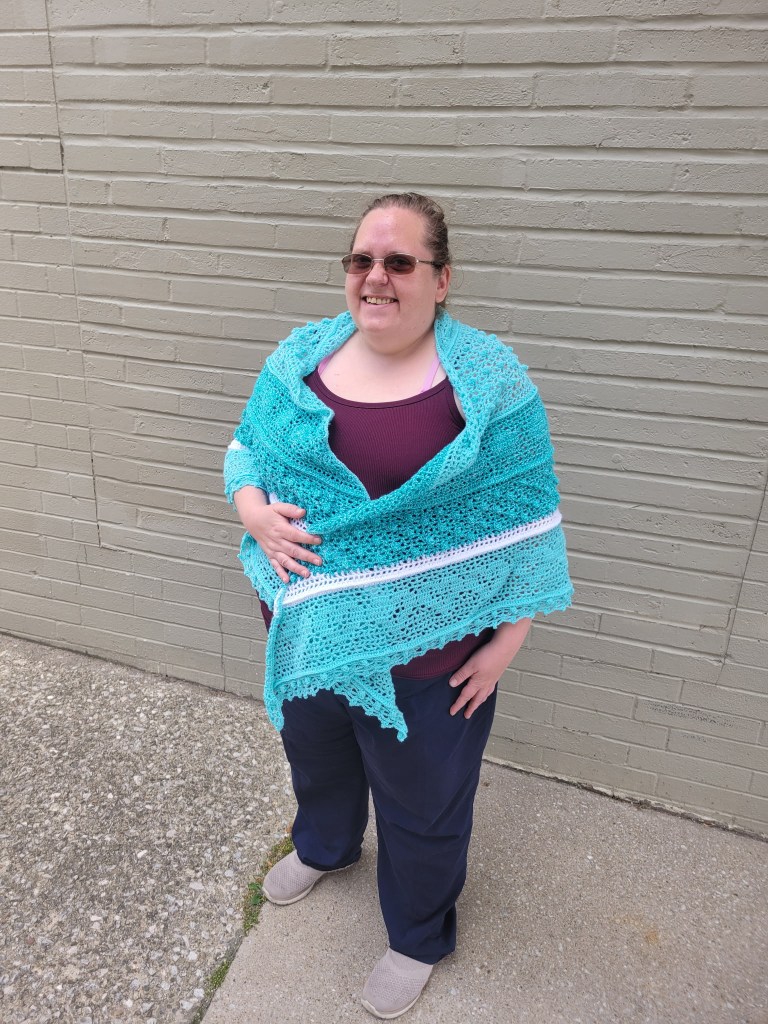
I decided to interview Nicole because her story is very encouraging. Below is my interview with her.
Aimee: What mental illnesses do you struggle with and when were you first diagnosed?
Nicole: Autism, ADHD, anxiety, depression, panic disorder, obsessive compulsive disorder, and PTSD. I was first diagnosed in first grade.
Aimee: How did mental illness affect your life at such a young age?
Nicole: Mostly, I just remember always having intense anxiety and trouble sleeping. It is hard for me, because I assumed everyone was like me and was much better at coping than me. I did not understand then like I do now that my brain works differently. I just always thought I was terrible at coping with stuff and lazy.
Aimee: How has having autism affected your mental health?
Nicole: At its core, autism is a central nervous system disorder. That means my body has much more intense emotional and physical reactions to stress and environmental stimuli like noise, lights, and scratchy fabrics. As I learned that my reactions were normal for me and not everyone experienced the world that way, it improved my depression and anxiety some, but there are other challenges.
My brain processes information differently, too. I went to therapy as a teenager; therapy did not really work until I found a therapist who worked with autistic people. That is the first time I ever made progress in therapy. I was 26.
The key to therapy was actually to not try so hard and constantly push myself, but to take breaks and give my brain and nervous system more rest and recharge time.
Aimee: Tell me about when you hit rock bottom of your illness and how you pulled yourself up?
Nicole: One of my hardest struggles has been employment. I have been trying to maintain a job for longer than one year since I was twenty. I am now forty-three. The last opportunity I tried was an organization that employed autistic people in corporate roles. Unfortunately, my manager there did not know anything about autism. This opportunity ended in a hospitalization where I was having extreme attacks of paranoia so intense I believed my boss was spying on me through my phone and car. I had to resign and I felt like a failure.
However, after getting treatment, resting, and regrouping I have decided to start my own business. This is going well so far. I am working hard and custom orders and opportunities keep coming to me. The biggest lesson autism has taught me is not to give up, but to keep trying.
Aimee: What unhealthy coping techniques did you develop while struggling?
Nicole: I was a cutter. Now I am a smoker.
Aimee: What healthy coping techniques did you learn to cope with your illness?
Nicole: There are so many. Some of my favorites are yoga, deep breathing, meditation, and progressive muscle relaxation. The last two really help me with sleeping. The coping skill I use the most is knitting and crochet. It helps me regulate my emotions, relax, and can be socially acceptable in public places. I even knit standing in lines. I am always trying new coping techniques, too.
Aimee: How did you pull yourself up to where you are happy and functioning in society?
Nicole: In some ways I think I am lucky. I have struggled with this illness for as long as I can remember. There has not been a time when I have not. For me, it has always been about making tomorrow happier and healthier than today has been. I am happy to report that my forties truly have been the happiest years of my life. Every decade of my life, I have struggled a little less and made progress.
Aimee: What advice would you give others struggling with mental illness and working towards recovery?
Nicole: We have a saying in the autistic community that if you meet one person with autism, you’ve met one person with autism. Everyone’s journey is unique. Some of us take longer to do things. Your recovery journey is personal to you and will be done on your own time. Don’t compare your journey to anyone else’s, and above all celebrate the victories. Sometimes, when you are depressed, brushing your teeth is tantamount to climbing a mountain. Celebrate that and give yourself credit.
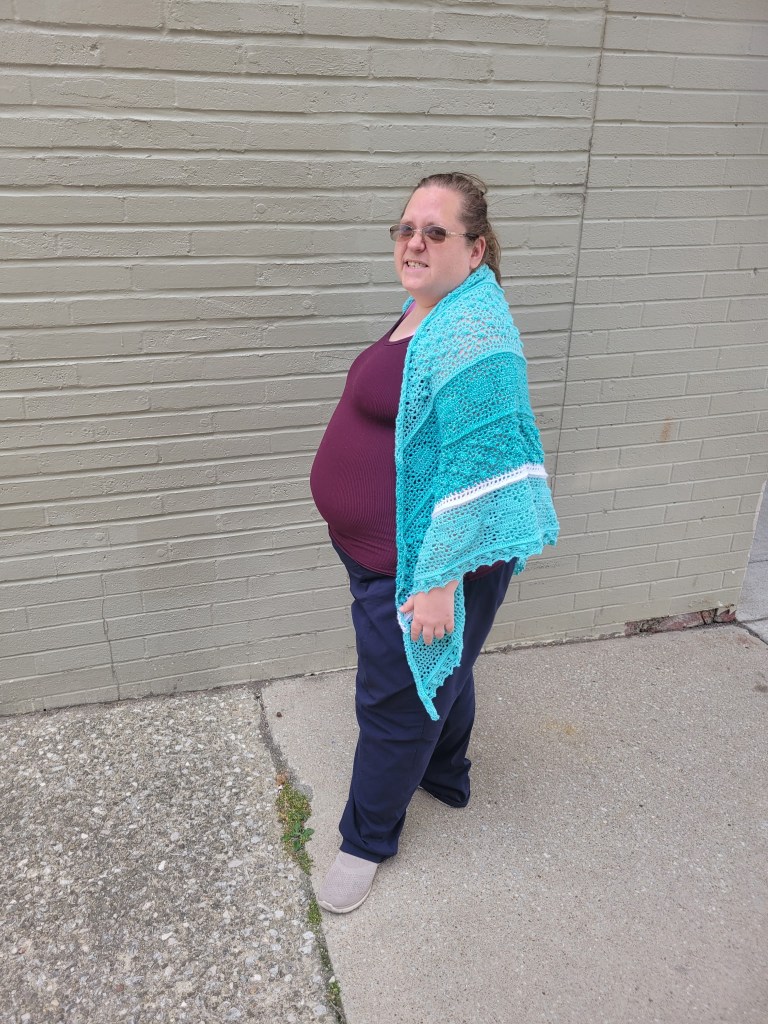
Below are my thoughts after my interview with Nicole:
We all have stories to tell about our struggles with mental illness. If we talk about our journey, we can help others and educate the world. The more we speak out, the bigger chances we have of spreading light on mental illness and showing the world it is an illness like any other illness. Your story can inspire others to fight for recovery.
By Nicole telling her story, she was able to reflect on her journey and see how far she has come. This helps her stand tall in the light of recovery.

