SEASONAL DEPRESSION

Seasonal depression takes place with the changing seasons. Seasonal Affective Disorder (SAD) starts in the fall and continues throughout the winter when the days shorten, it gets darker sooner, and days are bleak. SAD lessens in the spring and summer. Many people struggle with this illness and find the change of seasons very difficult to handle.

My best friend, Cheryl, struggles with seasonal depression and I questioned her to find out more about this condition. Below are my questions and Cheryl’s answers.

When does your seasonal depression begin?

I usually struggle around this time of year. Especially when it gets dark at the earliest time.

What are your symptoms of Seasonal Depression?

I have a deep non-interest in doing things I usually like to do, a strong urge to sleep my day away, racing thoughts, an urge to withdraw and isolate, and racing thoughts.

What makes Seasonal Depression worsen?

Besides the fact that it’s added depression on top of the depression I deal with every day, when people don’t take the time to understand it and tell me to “snap out of it” among other unsolicited advice.

When did you first realize you had Seasonal Depression?

I’d say just a few years ago when I realized I was way more depressed during this time of year.

Do the holidays make your seasonal depression worse?

Depends, sometimes they do and sometimes not as much.

How do the holidays make it worse at times?

Just not having everyone I love around to celebrate and the added stress the holidays bring.

How do you cope with Seasonal Depression?

I continue to take my medication and do my best to use coping skills I learned in therapy. I also rely on my support system when I need to talk things out.

What are some of your coping techniques?

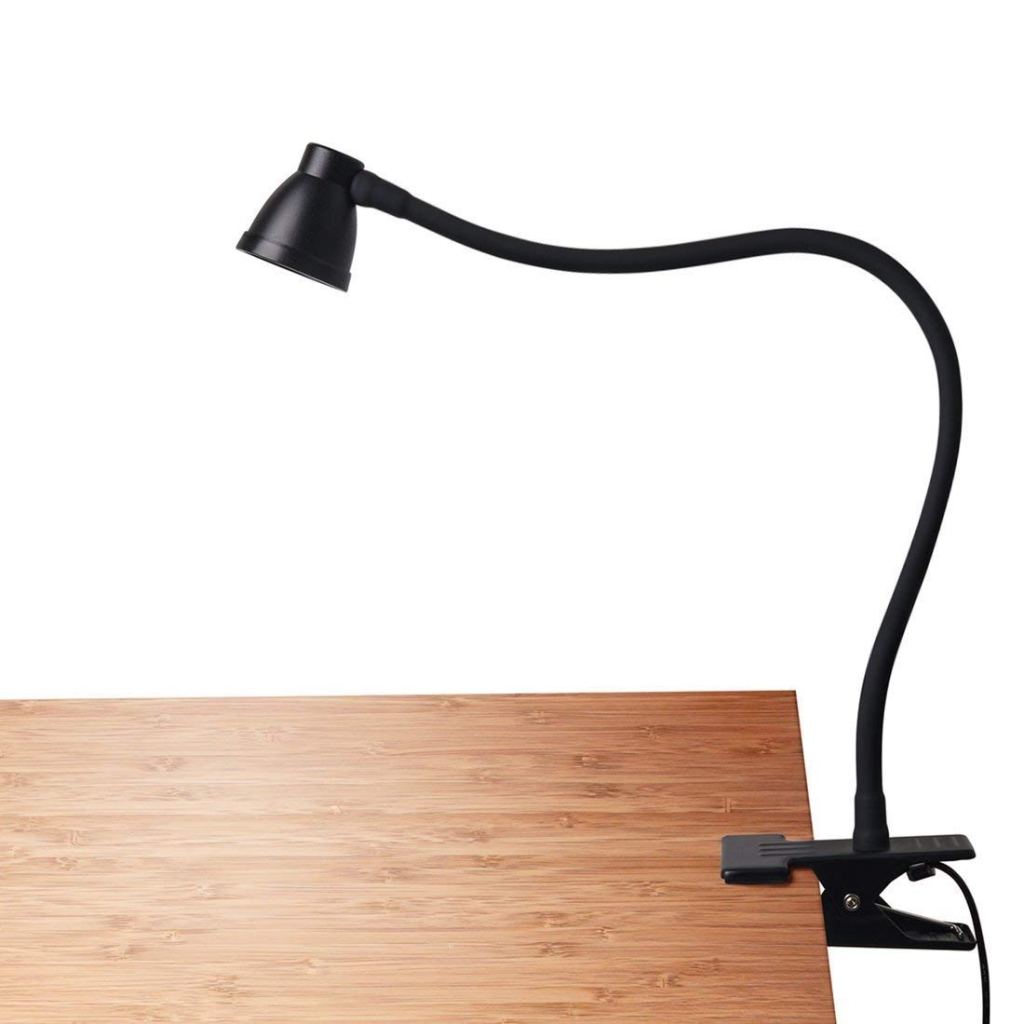
I try to think of positive things going on around me, finding something to do to bring more positive thoughts, and using a sunlight lamp that imitates the brightness of the sun.

What advice do you give to others struggling with seasonal depression?

Seek therapy if not already in it. If you are in therapy, make sure you are using your coping skills learned in therapy. Take your medicine as prescribed if you are on medication. Don’t hesitate to rely on your support system around you.

If you feel deep sadness when the seasons change, seek help. With proper treatment your Seasonal Depression can be managed. Educate your friends and family about SAD so they can better understand how to help you. Ask friends and family members to be a part of your support system. A support system is a group of people who are willing to listen to you, encourage you, and support you during your bad days.

Cheryl copes each year with her seasonal depression. Some days are harder than others. She is a determined woman who doesn’t give up when things get hard. She fights with all her strength and uses coping techniques to get through the fall and winter. Her strength and determination helps her stand in the light of recovery.

HOLIDAY STRESS AND DEPRESSION

Holidays are a joyous time of year, but also a stressful time, especially this year. With inflation being so high, people are extra stressed about affording the fixings for dinners, for buying gifts, and paying bills. We work hard to keep family traditions going and giving our best to our loved ones. Such stressors like these can increase sadness in those who have depression. It can make the holidays seem bleak and hopeless.

When I was a child, the holidays sent me into a deep hole of depression. When we exchanged names for gifts, I usually got a gag gift and became the joke of the class. Everyone laughed but me. During the holidays I spent a lot of time alone, I got upset easily, and I got into fights with my siblings. I even argued with my parents and cried silently at night.

 I felt so alone. I was bullied in school and had very few friends, which worsened my depression. One year I asked for a Ventriloquist puppet so I could have a friend. I got the puppet for Christmas and worked on having it talk without moving my lips. I carried on conversations with it, but it wasn’t the same as having a human friend.

When I met my husband, my holiday depression faded away. He goes out of his way to spoil me with love and gifts. With him I’m never alone and I get wonderful gifts instead of gag gifts. I’m the sparkle in his eyes and he is the sparkle in mine. I enjoy spoiling him too. But this year is extremely hard and stressful. We’ve had a rough year financial. There has been a lot of unexpected problems throughout 2023.

Every year my husband and dad have a tradition of going together to pick out Christmas trees, but this year we don’t have the money for a real tree. My older sister is giving us a fake tree to put up. It’ll be our first fake tree since we got married.

We are struggling to pay bills and put food on the table. Each week I sit down to pay the bills and tears fall because the money won’t stretch far enough. Bills keep coming in that we can’t pay and my stress increases. By the time I pay what I can, we have little money for food. My parents help us out by bringing us some food and we go to our church food bank. I fear my biggest nightmare is coming true. I fear we’re going to go bankrupt and lose everything. This stirs up my anxiety and leaves me struggling with obsessive worrying when I should be sleeping at night.

Stress has led to bouts of depression. I feel like I have failed us. I take care of the bills and I have always been able to pay them until now. What have I done wrong? How will we ever get out of this mess? Will we have to skip Christmas? Will we end up living in a box in an alley? The worries are nonstop day and night. I feel like I can’t breathe.

I’ve been asking to work overtime at work to get more hours. Sometimes they say yes and other times no. I’ve tried an author event in a town forty-five minutes away, hoping to sell some books, but unfortunately very few people showed up. I did sell some bookmarks, that were meant to be given free, to fellow authors. That money got us supper on our trip home. I’m woodburning Christmas ornaments, hoping those will sell to give us a little extra money. I’ve sold two so far.

We have a Christmas account at our bank. I used some of the money to pay some bills, but Lou insisted we keep a little money to get each other a few gifts. We’ll be having Thanksgiving dinner at my parent’s. My parents always send us home with leftovers.

To cope with my stress, bouts of depression, and the holidays, I journal out my feelings and I list five positive things each day. I also turn to my support system, I pray, and I keep myself busy with my writing and woodburning. Most importantly, I take care of myself. I remind myself that money doesn’t make the holidays happy; love does. I rely on God to see us through our difficult times, and I thank God for all who have been helping us in out time of need. Traditions can change, gifts can be small, but love is the largest gift of all. God’s love is what shines in every holiday.

If you’re struggling with the holidays, then write a list of the positive things in your life. Do things that make you happy. Take care of yourself. Remember the holidays are about much more than large meals and fancy gifts. Sometimes the best gifts are those from the heart. Make do with what you do have and be grateful that God gave you that. Worry about your stressors for a few minutes and then let them go. Focus on the positive.

These holidays are different for us, but this Thanksgiving I am thankful. I’m thankful for the help of family, for my husband’s love, for having a home, for the support of friends, and for God’s love. Holding onto the positive is what is getting me through the holidays and keeping me standing in the light of recovery.

SEEING BEYOND THE STRUGGLES

At the beginning of August, I went to my eye doctor because I was having a hard time seeing small things, seeing in poor lighting, and my eyes getting tired and blurry. I figured it was just time for new glasses since it had been two years since I seen the eye doctor. A new prescription would fix my vision problems, and everything would be fine. I was sure of it.

I got the normal puff of air in my eyes and did the exam with the eye doctor. I read the chart the best I could as the doctor changed the lenses through the machine. After the doctor finished, he jotted something down.

I put my glasses back on. “My eyesight has gotten pretty bad, hun?”

“You don’t need a big change in your prescription. What is wrong with your eyes is a hint of glaucoma,” he said.

“Glaucoma? Is that bad?” I asked.

He went on to explain what glaucoma is and told me I needed to see him yearly. I wanted to cry, and my mind went blank. I left his office and told my husband. He held me as I cried in his arms. It seemed like I always get all the health problems. If something was to go wrong, it was going to happen to me. Hadn’t I been through enough? A new prescription wasn’t going to completely fix my vision problems. I was going to continue to struggle.

Glaucoma was affecting my writing. I couldn’t see the keyboard on my computer with the lighting in my living room, I couldn’t see some of the small print on my computer screen and after writing for a while my eyes would get blurry. Writing is my passion and my business. Being a published author, I have to write a newsletter and write out blurbs for my book and advertisements to post on social media. I also need to make business cards and postcards with my information and my book information. How could I do all this when I couldn’t see my keyboard?

I felt like my diagnosis was a road into hopelessness. I felt helpless and depressed. I told my husband and my friend I was going to just give up. My friend and husband often share the same brain wavelength when it comes to me. They both told me the same thing. They told me I wasn’t a quitter, and I would find a way around this. I did.

First, I bought a clip-on light I could hook to my lap desk. Then I bought a book light so I could read books, but those didn’t seem to be enough. I was also having a hard time seeing to do my woodburning. I clipped the light on to my TV tray that I woodburn on, but I still struggled. I needed something brighter.

I asked my friend who is vision impaired about lamps that would brighten my living room up enough so I could see my keyboard and my woodburning projects. She suggested a sunlight lamp. My friend Cheryl searched for them online and sent me links. I found one I liked and ordered it. The lamp helps a lot. I can see my keyboard, my woodburnings, my books and my journal.

I worked at my job for twenty-eight years and I have had the same combination lock since then. With a hint of glaucoma, I struggled to see the numbers well enough to unlock it. I had to change to a key lock. My eyes get blurry if I write or read too long so I have to take breaks.

I was working my way around my struggles, but I still felt saddened by my new problem. I kept telling my husband, “I don’t want to go blind.”

He held me in his arms. “You won’t go blind. You’ll be just fine.”

My friend does quite well with her impaired vision. She even works as a cashier at the same company I work for in a different town. My thoughts took over. I’m not as strong as her. If I lose my vision, I’ll just lie in bed and give up. What’s the use of living if I can’t see?

I talked to several people who told me glaucoma progresses slowly and there are eye drops and surgery that can help it when it gets further along. Cheryl told me her father has had glaucoma for years and he can still see. She also reminded me I was in the earliest stages of it, and I would be fine. Lou also assured me I would be fine.

With coping techniques and new provisions, I’m learning to see beyond my struggles with my vision. Working around my struggles is helping me stay in the light of recovery.

I’m recovering from a sinus infection

I meant to put up an older post for this week but I didn’t get it done. I’m recovering from a sinus infection. I’ve been resting a lot. I didn’t feel like writing a blog post. I’m starting to sound like myself but I still have lots of drainage. I’m sure I’ll be well enough to write a post for next week.

Keep looking for the positive and fighting for recovery.

HOW TO BE A FRIEND TO SOMEONE WITHMENTAL ILLNESS

Friendships are valuable relationships we hold onto strongly. Good friends support us in good and bad times, and we do the same for them. When we feel alone, when we are at our lowest, or when we suffer a loss, a good friend is at our side. When we are happy, when we accomplish something, or when we start new beginnings, our friend celebrates with us.

But how can we be friends with someone who may not be able to give back, who has an illness we don’t understand, and who is negative and sad? How can we be friends with someone who has mental illness?

For many with mental illness, it’s hard to find a friend who will not run from you, use you, or judge you. Friendships are very hard to come by because many do not know how to be a friend to someone who is sick. I was lucky that when I was in the darkest, part of my hole, I had a very good friend who stuck at my side. She knew what to do without me telling her. Not so many are that lucky.

I have a few tips on how to be a good friend to someone struggling with mental illness. Here are my tips:

  • Be willing to listen. A person with mental illness is struggling with thoughts and emotions that are overpowering. He or she often needs to express what is happening inside and all he or she needs from you is for you to listen. Let your friend talk and get his or her feelings out without interruptions.
  • Educate yourself about your friend’s illness. Find out what kind of illness your friend suffers with and research it. If possible, go to a few therapy sessions with him or her. By learning as much as you can about your friend’s illness, you will know how to help him or her better and you will understand some of his or her symptoms. You will also learn what the signs are when he or she is in crisis and needs serious help.
  • Don’t lecture your friend. If your friend is sad and doesn’t know why or if your friend lies in bed all day don’t lecture him or her. He or she doesn’t need lectures for his or her action; instead your friend needs positivity and encouragement. Lectures only make him or her feel more alone and misunderstood, sending him or her deeper into his or her hole.
  • Ask your friend what he or she needs from you. Your friend may have special needs that you’re not aware of, like having someone to just sit with him or her, needing to get out of the house, or needing help with meals. If he or she doesn’t know what he or she needs, then don’t push. Simple things are helpful when a person is struggling with mental illness like a hug, a shoulder to cry on, and a warm smile.
  • Be available when your friend needs support. Part of being a good friend to someone with mental illness is becoming part of his or her support team. By doing this, you must be available for him or her to turn to when he or she is really struggling. If your friend calls you late at night crying or in the middle of the afternoon because he or she feels like giving up, be available. Of course, you can’t be available twenty-four hours a day, but be available as much as you can. Don’t avoid your friend’s calls because you don’t want to bother with him or her. If you can’t handle his or her illness, tell him or her before you commit to being a friend and a part of their support team. It may hurt him or her, but being ignored hurts even more.
  • Be understanding. Your friend might sleep a lot, may say things he or she doesn’t mean, may not be comfortable in social settings, and may not be able to give back to the friendship. Don’t get mad at him or her. Understand that this person is just trying to make it from day to day. If your friend tells you he or she is sad and doesn’t know why, understand it’s part of the illness. If your friend cancels plans or wants to leave a social event, be understanding. If the person doesn’t talk to your other friends or family and only you, be understanding that it is a symptom of his or her illness.
  • Be positive even when your friend is not. Many who struggle with mental illness can only see the worst side of life and the things around them. They need to be reminded that there are still positive things in their lives. When your friend is being negative, remind him or her of the positive things. Don’t tell him or her about negative things in your own life. He or she is unable to handle it unless in recovery.

Being a friend to someone who is struggling with mental illness is not easy, but it is worth it. Cheryl was my friend when I was at my worst, and she was there for me when I could not give back to her. She listened to me cry my eyes out at two a.m. and stayed on the phone until she got me laughing. She pulled me out of the road when I wanted to die. Now that I’m in recovery, I am strong enough to give back to her. Now we are at each other’s sides.

If you can’t handle mental illnesses or you are struggling with your own illness and problems, let your friend know. Let him or her down kindly. It may hurt him or her deeply, but you must take care of yourself. Know your own boundaries before you enter the friendship.

Cheryl and I are soul friends and sisters at heart. Because of her support when I was at my lowest, I am here today to share my story. Now she often uses these blog posts to help me when I am having a hard time. With her help I stay strong in the light of recovery.

A SUICIDE ATTEMPT OR NOT?

     There is a lot of confusion about what self-injury is and why a person injures. Some people mistake self-injury for a suicide attempt. It’s hard to understand why anyone would go to the extent of harming themselves unless the person wants to die, but harming himself has nothing to do with suicide. Self-injury is a coping technique for overwhelming emotions or a way to just feel when you become numb inside. It’s not to say that the person hasn’t struggled with thoughts of taking his or her life, but those thoughts have nothing to do with why the person is harming him or herself.

     At a former job, the manager found out I was deeply depressed, and I was hurting myself on purpose. She became convinced I was attempting to take my life. She called crisis and they showed up to my department. Not only was I embarrassed that crisis came to my workplace and all my fellow employees knew they were there for me, but I had to sit in a conference room and explain to them that I was not attempting to take my life.

     The crisis worker questioned me for a half hour. She asked me why I wanted to die. She asked if I was to go home would I try to take my life again. She wanted to know if I needed to be hospitalized. I tried to explain to her I didn’t want to die, and I was working with a therapist to stop my injuring. I told her the injuring relieved my inner pain and I was not suicidal. After a while she let me go and gave me their number in case, I became suicidal or needed to talk.

     I can’t say I never thought of taking my life while I was sick, but when I injured, my goal was to relieve the immense inner pain that burned within my body. When I thought about suicide, I was in a different frame of mind. I wanted to save my family from the pain I was causing them and I wanted to end my own pain forever. When I hurt myself, I just wanted to relieve my inner agony for just a moment or longer, not forever.

     I even left my former boss a pamphlet on self-injury, but she continued to think self-injury was an attempt at suicide. Because of people like her, I worked hard to hide my self-harming.

     It’s important for us who injure or who have recovered from self-injury to educate others about self-injury. The more we write about it and talk about it, the more educated our loved ones and others around us will become. I write this blog post to reach out to the world and tell them about mental illness and self-injury. It’s important that teachers, managers, crisis workers, doctors, parents, friends and so on one are educated about how to handle self-injury and what self-injury is.

     Step up with me and educate others about self-injury. I believe I struggled with mental illness and self-injury to share my story with all of you. Writing about it is also therapy and keeps me within the light.

YOU ARE WORTHY

When you’re in the deepest part of your hole of depression it is hard to see your own self-worth. It’s easy to lose all your self-esteem. You see yourself as useless, hopeless, and an awful person. It’s nearly impossible to find anything that is good about yourself. The truth is: you are none of the things your sick mind tells you that you are. You are so much more than your illness and the dark lenses you are looking through. You are a worthy, special person.

I know many of you need reassurance that despite the illness that tortures your mind, you are a wonderful person. Below is a list of reasons why you are worthy. Maybe this is the moment you need to read this or maybe you need a reminder to fuel your determination to fight this awful illness. Whatever your reasons are, please read on.

Reasons you are worthy:

  • You are worthy of living. Your life is valuable and even though it doesn’t seem like it You are an important part of this world. You have people who love you. They would be broken-hearted if you were to die. You can get better and make a big difference in people’s lives. You’re important.   
  • You are worthy of happiness.

You might think you’re doomed to a life of sadness, but you’re not. You can reach recovery and live a happy life. You deserve happiness and it’s up to you to strive for it. Don’t be afraid to be happy and to search for happiness.

  • You are worthy of being loved.

You might hate yourself right now and think you don’t deserve love, but you are wrong. Everyone deserves to be loved, even you. Those sad, hopeless, and miserable feelings you have are not you. It’s your illness. The person you are is a beautiful person who is kind, caring, fun and much more. That person is worthy of love.

  • You are worthy of kindness.

You don’t deserve to be called names, to be hurt physically or to be used. You are worthy of people who will care for you, give you a shoulder to lean on, spend time with you and are willing to get to know you.

  • You are worthy of respect.

You don’t deserve to be treated like you are dangerous or a loss cause.
You deserve to be admired for your strength to fight this illness and for the person you are. You are special and are worthy of others’ respect. You deserve to be admired for your strength to fight this illness and for the person you are. You are special and are worthy of others’ respect.

  • You are worthy of recovery.
    You’re not meant to spend your life stuck in deep sadness and emotional pain. You deserve to learn coping techniques, learn new ways of thinking and of finding the right medication that helps you manage your illness. Recovery means managing your illness well enough that you can function and live a happy life and you deserve that.
  • You are worthy of loving yourself.
    Right now, you might hate yourself, but you don’t deserve the self-hatred. That person you are despite your illness is a beautiful person deserving of your love. Fight to find yourself and look inside you. See yourself for the person you are, not the person your illness makes you think of yourself. Inside you is a person craving to be loved by you.

Read through this list every time you feel unworthy.

Remind yourself of how worthy you are, each time you feel like giving up.

Write theses down on index cards and put them in different spots in your home where you’ll remember to read them.

Write each thing out on a piece of paper you are worthy of, if necessary.

Do this until you believe them to be true.

I am worthy of all of these and much more. Knowing this keeps me in the light of recovery.

TAKING A STEP HIGHER

I write about my many health challenges and life struggles in my posts not to ask for pity. I write about them to show you how life’s challenges can make being in recovery or reaching for recovery a challenge. Learning how to cope with what life throws at us takes us a step higher above the dark hole of mental illness. It is easy to fall into negativity, hopelessness, and sadness when things go wrong and when life piles on one problem after another. It takes a strong person to take the steps to lift ourself up higher into the light.

When things go wrong, they seem to happen all at once, and when you have mental illness, it can be very overwhelming. It’s overwhelming for anyone to handle rough times, but it is worse when you have mental illness. It’s easy to see the worst scenario of your situation and to block out the good. This can lead to excessive worrying, crying, anger, and despair. It’s okay to have feelings and to get down when so many things go wrong, but we can’t allow ourselves to dwell in those emotions. We must lift ourselves up and push forward.

I’m going through one of those times when everything seems to be going wrong. Our SUV keeps having problems, our dog has a sore leg, I have several medical tests this month, I have a hint of glaucoma, bills keep coming up, and there isn’t enough money to pay for them all. I have been worrying about everything going on and I have cried in my husband’s arms. Everything seems hopeless.

This last week I was on vacation, and we didn’t have enough money to do much. I spent a couple of days being lazy and in the dumps about our situation, but I didn’t spend the whole time dangling over the hole of depression. Tuesday my husband and I took a ride to Conneaut, Ohio which is about forty-five minutes from our home. On Wednesday we spent the day with my older sister. We splurged on going to a fast-food restaurant with my sister and we took her to a few stores. It was fun spending time with her. The point is I didn’t spend my whole vacation dwelling on all the problems my husband and I are facing.

I also used coping techniques to deal with our hardships. I have called or texted people on my support teams. I have journaled out my feelings and listed the positives in my life. Plus, I’ve kept myself busy doing things I love and that relax me. I wrote three pages in my next memoir, and I’ve done some woodburning. Writing is my passion, and it makes me happy to be able to tell my story. I also love to plan out a woodburning project and work to make it look beautiful. It’s exciting and rewarding. Both my writing and my woodburning take me away from my problems for a while.

Doing each of my coping techniques helps me step up higher above the hole. Yes, I am in recovery, but I’m not cured. Even though I am happy with my life, I fight and cope each day to remain in recovery. Some days are harder than others, and when life throws everything at me at once, it threatens my ability to stay strong. It’s up to me to take the steps that will lift me up and help propel me forward.

Being in recovery isn’t a matter of being happy and never struggling again. Instead, it’s a matter of taking steps each day that lift us up a little higher and keep us from tumbling down the hole of despair. It’s about facing hard times and allowing ourselves to feel sad, angry, frustrated and so on. Then we can use coping techniques to deal with those feelings. It’s a matter of pushing ourselves to fight to stay in the light. It’s about our strength being tested daily, but having enough determination to push back. Recovery is wonderful, but it is also work. It’s worth every step and struggle you put into it.

Reaching for recovery is a long and hard road to take. It doesn’t happen overnight. Finding the right medicine, fighting an awful illness, learning new ways of thinking, and learning how to cope are all hard to handle and takes determination. It may take years of ups and downs to reach recovery, but it’s worth taking the steps to lift yourself up higher. Life’s unexpected challenges will pop up on your road and threaten to detour you, but you can and will push past them. You can succeed and reach recovery no matter how hard life can be if you have the determination to take the steps.

Never let life’s challenges get in the way of your recovery or your steps to recovery. You are strong, you are important, you are worth it, and you do deserve recovery. Fight for your happiness because you deserve to keep stepping up higher into the light. You are a special individual who deserves to shine. Stand up and fight.

Times are tough right now for my husband and me, but I won’t let it get me down. I’m going to keep fighting and taking the steps that lift me up. Because I take the steps to lift me up, I stand determined in the light of recovery.

TIPS FOR HELPING YOUR CHILD WITH BULLYING

Unfortunately, bullying is a big problem in our schools. Children are being abused physically and verbally for being different. This abuse leads to mental health problems, behavioral problems, drug and alcohol abuse, and academic problems. Many parents are lost, not knowing how they can help their child.

From personal experience as a bullying survivor and through research, I put together some tips for parents to help their children. Below are my tips:

  • Look for signs of bullying. Some of the signs that your child is being bullied are: missing or destroyed belongings and clothing, loss of friends, spending time alone, loss of self-esteem, not sleeping or having nightmares, trying to avoid going to school, unexplained injuries, and so on. You can find out more at this site What are common signs of being bullied? | NICHD – Eunice Kennedy Shriver National Institute of Child Health and Human Development (nih.gov)
  • Keep an open communication with your children. Talk to your children about school. Ask them about their day and friends. Tell your children they can talk to you if they need to. Be interested in their activities and what is going on in their lives. If you have a busy lifestyle, make a special time each day to sit and talk with your children.
  • Be willing to listen. If your child wants to talk, then make time to listen. Let your children know you’re always willing to listen to them. Sometimes they just need a shoulder to cry on and someone to listen while they let out their feelings.
  • Encourage children to share their feelings with other adults. Understand children don’t tell their parents everything. Let your child know if they can’t tell you something, they can tell an aunt, uncle, grandparents, or another adult they feel close to.
  • Look for signs of mental health problems. Many children who are bullied struggle with depression and anxiety. Learn about the signs of depression and anxiety such as nausea, frequent shaking, tightness in the chest, irritability, hopelessness, talk of suicide, excessive worrying, and feelings of sadness. You can find out more at Identifying anxiety, depression signs – Mayo Clinic Health System.
  • Seek professional help. If you notice signs of continuous bullying or signs of depression and anxiety, look into therapy for your child. Bullying is a form of abuse that rips apart a child’s self-esteem and mental well-being. A therapist can help your child cope and talk about what is happening to them. If you don’t feel confident with the school therapist, look for another professional. If you do not have health insurance, look into state funded programs. Many state programs offer help at low cost or no cost. The sooner you get your child help, the better chances you have of combating the effects of bullying.
  • Fight for your child. Talk to teachers, principal, school administration, or school board to put a stop to the bullying your child is facing. If no one will listen then document what is happening and talk to the news. Do what it takes to end the abuse your child is facing.

If your child is being bullied, use these tips to help them deal with what is happening to them. It’s your job as a parent to do what it takes to help your child. No matter how busy your life is, make time for your children and be aware of what is going on in their lives. Lean on friends and family for support. Let’s stop what we are doing and speak out for our children.

I wrote my book Escape to the Garage: Family Love Overcomes Bullying to show not only the effects of bullying, but also the importance of family. My mom fought endlessly for me, but unfortunately back then she didn’t have the resources we have now. My family and my parents got me through many hard times as a child. The only regret I have is I should have never kept so much to myself. Writing my book and speaking out against bullying helps me heal in the light of recovery.