Blog posts

I THOUGHT I WAS WATCHING SOMEONE DIE

Today seemed like a normal day, but it wasn’t. A man stood inches from me, his eyes rolled back, his body unable to move, and his legs buckling. I called for help. Help came and they moved him into a chair, but suddenly his face went white, and someone said he was not breathing. They moved him to the floor and started CPR. He lay still with all the life drawn from his face. My hands shook and I silently asked God, “Please don’t let him die.” He looked like he had already died. I thought he was gone. I thought I was watching a man die today.

When I looked at the man lying nearly lifeless on the floor, I thought about how precious life is and how fleeting it is. It’s easy to give up on living when depression clouds the mind. It’s hard to think straight, to see past the deep darkness inside, and to see that your life is special. I know because I was there at the breaking edge, ready to throw away the life God gave me because I couldn’t see past my inner agony. I thought everyone’s life would be better without me in it, I thought there was no way out of my darkness, and I thought I was doomed to a life of agonizing inner pain.

I took a bottle of pills. I felt dizzy and sick. Some how I drove to college and back in a snowstorm. I had no idea how. I didn’t even remember driving. I just knew I got there and back. It took me years to realize God was at the wheel of my car that night. It was then that I realized how important my life is and how foolish it was of me to try and end it.

I thought about how important that guy’s life was as I watched a woman breathe air into the guy who lay so lifeless. I felt my body tremble and my heart race as I watched them struggle to save a stranger’s life. If I had gotten into an accident after taking those pills, how many people would have struggled to save my life? How would they feel watching the life drain from me? Would they have been traumatized? What if my grandparents had found me dead from taking all those pills? Would they have been crying endlessly? Trying whatever they could to save me? Would their hearts be torn from their chests and their tears be endless? Would they be traumatized for life? How would they have told my parents that their daughter  had committed suicide in their home?

I saw the man’s eyes open. The people talked to him while paramedics put oxygen on him. They loaded him on a stretcher and took him away. I went on with my day wondering if he lived or died. Then I thought about how if I had succeeded at taking my life how many strangers who tried to save my life would be left disheartened and broken.  I thought about how many of my own family members’ lives would have been ruined because I took away what God gave me. In that moment I thanked God for my precious life and for allowing me to live when I wanted to die.

Later that day I heard the man I saw nearly die in front of me was seen out and about. He lived. I thought I was watching him die, yet God choose for him to live. Just like he chose for me to live the day I went to college in a snowstorm after taking a bottle of pills. God had a purpose for that man to survive just like he had a reason for me to live. If I had died, I would have never gotten to see my nieces and nephews grow up and some of them have children of their own. I would have never fallen in love with the man of my dreams and created many wonderful memories with him. I would have never written my book to help others with bullying. I wouldn’t be writing this blog. I wouldn’t have been able to help my siblings surprise my parents with a fiftieth anniversary party. There is so much more I would have missed out on if I had taken my life.

I thought I was watching a man die today, but he lived. It was a reminder of how precious life is and how important it is to fight for it. Live for the future that awaits you. Live for a chance to reach recovery. Live to make your dreams come true. Live to watch your family members grow and change. Live to create beautiful memories. Put those pills away, put that knife down, and put that gun aside. Look beyond your pain and see how precious your life is. God gave you life for a purpose; live so you can find the purpose.

This scary experience woke me up and reminded me why God chose for me to live so many years ago. God gives us little reminders of how important we are to him. His reminder shook me up pretty good but showed me how special life is. I live to fulfill God’s purpose and I fight my illness to stand in the light of recovery.

DEAREST DAUGHTER

 There has been a lot going on in my life, so I decided to repost a poem my mother had written a few years ago. Enjoy.

    My mother was given an assignment in Sunday School on a few years ago to write a poem or song about an experience she had that strengthened her faith in God. I was touched she choose to write a poem about her experience with my illness. Below is the poem my mother shared with her Sunday School class; she gave me permission to share with you. God strengthens faith not only in those who struggle with mental illness, but also in those who face it with you.

MY DEAREST DAUGHTER

BY Julie Eddy

Nights of tears

All I could do

Is hold your hand

God was beside you

He had other plans

After years of fighting

This awful disease

A battle almost won

Finally Victory

I see a smile

In place of a tear

Through your writings

He made you whole

Giving to others by way

Of word

I now see the glory

In God’s plan

SICK AGAIN

Once again I got sick. I was sleeping a lot. I’m doing much better but I’m weak. No post this week. Remember to find something positive about the holiday season. If you’re going through a hard time do your coping techniques, turn to your support team and take care of yourself. Remember the reason for the season. It’s much more than gifts and parties.

If you haven’t signed up for my newsletter do so now. My newsletter will keep you up to date on my writing, it’ll keep you informed of my events and advocacy. It comes out once a month.

Sign up for Aimee Eddy Author to keep in touch: http://eepurl.com/iuzWqw

COPING TIPS FOR THE HOLIDAYS

With the holidays come stress, anxiety, and depression. For many with mental illness the holidays are a very rough time of year bringing many expectations. We are often put out of our comfort zone, we feel lonely, we expect more out of ourselves than we can do, and so on. Many with mental illness find themselves falling deeper into that hole while others are celebrating and having fun.

How do we cope with the holidays? How do we make it through Christmas without having a breakdown? The answer to these questions is to use coping techniques. Below are a few coping techniques that may help you.

Coping techniques:

  • Don’t overexert yourself. If your house isn’t sparkling clean, that’s okay. People do not come to see your home, but to see you. Do the best you can and let it be. If cooking a whole meal is too much for you, ask others to bring a dish or get one of those already cooked meals from a restaurant or store. Doing more than you are able to do can deepen your illness.
  • Do something special for a loved one you lost. Holidays are hard when you have lost a loved one. Do something special in remembrance of your loved one like light a candle, make his or her favorite dish, put a stocking up for him or her, go to a service for those who lost loved ones, and so on. Make their memory a special part of your holiday.
  • It’s okay to say no. If you are feeling overwhelmed by large crowds and your friends want you to go to a party, it’s okay to say no. Don’t punish yourself for saying no. Ask your friend to do something with just the two of you. If your family wants you to make Christmas dinner and it’s too much stress and anxiety for you to handle, it’s okay to say no.
  • Take care of yourself. If you’re feeling down because of the holidays, make it a point to get up in the morning, be sure to eat, and take a shower. Get out of bed and find something to do that is relaxing to you like a craft, adult coloring book, or crossword puzzles. If you feel overwhelmed, take a relaxing bath, or play your favorite music. Don’t forget to take your medication.
  • Don’t isolate yourself. If being alone triggers your illness and makes it worse, then find a friend or family member who can visit you or you can visit. Don’t dodge phone calls from your family and friends. Make extra therapy appointments. Try treating yourself to a movie or a Christmas show. Don’t hide in your home or room, sinking deeper and deeper down the hole. If you need to call a crisis hotline, call it.
  • Lean on your support team. Your support team should be friends and family members whom you’ve educated about your illness. They are there for you to lean on. Confide in them and listen to their advice. Don’t worry about ruining their holidays or being a burden. You chose them to help you for a reason so call, text, or visit them.
  • Keep a budget. Gifts and dinner supplies along with your normal bills are expensive. Decide on a budget for your holiday supplies and gifts and don’t go over it. It’s not how much you spend that counts; it’s the love that goes into it that’s important. It’s okay to buy cheaper gifts or to even make your own gifts. Going broke buying the best and most popular gifts and supplies isn’t wise if you can’t afford it. Adding to credit card bills, skipping household bills, and going without essentials to buy gifts only increases stress, anxiety, and depression. Keeping to a budget you can afford will help you feel better.
  • Be proud of the small steps. If you overcome your depression to get out of bed, pat yourself on the back. If you went out of the house, even if it was to put a Christmas card in the neighbor’s mailbox, be proud of yourself. If you take a shower, be proud of yourself. If you went online and bought a loved one a Christmas gift, pat yourself on the back. Small steps are important ones. Don’t shrug them off; be happy that you were able to accomplish them and celebrate them.
  • If you have no family, still celebrate. If your family lives far away or you have no, one don’t sit alone and dwell on being by yourself. Many places offer free meals and restaurants serve holiday meals; take part in those. Have your own celebration and invite a lonely neighbor or co-worker. Remember the reason for the holiday and celebrate that.

Holidays are supposed to be a joyous time of year. With commercialism we put too much into things we buy, and this can cause mental illness to worsen. Follow some of these coping techniques and talk to your therapist about other techniques to help you get through the holidays.

The holidays increase my stress and anxiety, but by practicing coping techniques I can find the joy in them. Finding the joy in the holidays helps me celebrate in God’s gifts and the light of recovery.

SEASONAL DEPRESSION

Seasonal depression takes place with the changing seasons. Seasonal Affective Disorder (SAD) starts in the fall and continues throughout the winter when the days shorten, it gets darker sooner, and days are bleak. SAD lessens in the spring and summer. Many people struggle with this illness and find the change of seasons very difficult to handle.

My best friend, Cheryl, struggles with seasonal depression and I questioned her to find out more about this condition. Below are my questions and Cheryl’s answers.

When does your seasonal depression begin?

I usually struggle around this time of year. Especially when it gets dark at the earliest time.

What are your symptoms of Seasonal Depression?

I have a deep non-interest in doing things I usually like to do, a strong urge to sleep my day away, racing thoughts, an urge to withdraw and isolate, and racing thoughts.

What makes Seasonal Depression worsen?

Besides the fact that it’s added depression on top of the depression I deal with every day, when people don’t take the time to understand it and tell me to “snap out of it” among other unsolicited advice.

When did you first realize you had Seasonal Depression?

I’d say just a few years ago when I realized I was way more depressed during this time of year.

Do the holidays make your seasonal depression worse?

Depends, sometimes they do and sometimes not as much.

How do the holidays make it worse at times?

Just not having everyone I love around to celebrate and the added stress the holidays bring.

How do you cope with Seasonal Depression?

I continue to take my medication and do my best to use coping skills I learned in therapy. I also rely on my support system when I need to talk things out.

What are some of your coping techniques?

I try to think of positive things going on around me, finding something to do to bring more positive thoughts, and using a sunlight lamp that imitates the brightness of the sun.

What advice do you give to others struggling with seasonal depression?

Seek therapy if not already in it. If you are in therapy, make sure you are using your coping skills learned in therapy. Take your medicine as prescribed if you are on medication. Don’t hesitate to rely on your support system around you.

If you feel deep sadness when the seasons change, seek help. With proper treatment your Seasonal Depression can be managed. Educate your friends and family about SAD so they can better understand how to help you. Ask friends and family members to be a part of your support system. A support system is a group of people who are willing to listen to you, encourage you, and support you during your bad days.

Cheryl copes each year with her seasonal depression. Some days are harder than others. She is a determined woman who doesn’t give up when things get hard. She fights with all her strength and uses coping techniques to get through the fall and winter. Her strength and determination helps her stand in the light of recovery.

HOLIDAY STRESS AND DEPRESSION

Holidays are a joyous time of year, but also a stressful time, especially this year. With inflation being so high, people are extra stressed about affording the fixings for dinners, for buying gifts, and paying bills. We work hard to keep family traditions going and giving our best to our loved ones. Such stressors like these can increase sadness in those who have depression. It can make the holidays seem bleak and hopeless.

When I was a child, the holidays sent me into a deep hole of depression. When we exchanged names for gifts, I usually got a gag gift and became the joke of the class. Everyone laughed but me. During the holidays I spent a lot of time alone, I got upset easily, and I got into fights with my siblings. I even argued with my parents and cried silently at night.

 I felt so alone. I was bullied in school and had very few friends, which worsened my depression. One year I asked for a Ventriloquist puppet so I could have a friend. I got the puppet for Christmas and worked on having it talk without moving my lips. I carried on conversations with it, but it wasn’t the same as having a human friend.

When I met my husband, my holiday depression faded away. He goes out of his way to spoil me with love and gifts. With him I’m never alone and I get wonderful gifts instead of gag gifts. I’m the sparkle in his eyes and he is the sparkle in mine. I enjoy spoiling him too. But this year is extremely hard and stressful. We’ve had a rough year financial. There has been a lot of unexpected problems throughout 2023.

Every year my husband and dad have a tradition of going together to pick out Christmas trees, but this year we don’t have the money for a real tree. My older sister is giving us a fake tree to put up. It’ll be our first fake tree since we got married.

We are struggling to pay bills and put food on the table. Each week I sit down to pay the bills and tears fall because the money won’t stretch far enough. Bills keep coming in that we can’t pay and my stress increases. By the time I pay what I can, we have little money for food. My parents help us out by bringing us some food and we go to our church food bank. I fear my biggest nightmare is coming true. I fear we’re going to go bankrupt and lose everything. This stirs up my anxiety and leaves me struggling with obsessive worrying when I should be sleeping at night.

Stress has led to bouts of depression. I feel like I have failed us. I take care of the bills and I have always been able to pay them until now. What have I done wrong? How will we ever get out of this mess? Will we have to skip Christmas? Will we end up living in a box in an alley? The worries are nonstop day and night. I feel like I can’t breathe.

I’ve been asking to work overtime at work to get more hours. Sometimes they say yes and other times no. I’ve tried an author event in a town forty-five minutes away, hoping to sell some books, but unfortunately very few people showed up. I did sell some bookmarks, that were meant to be given free, to fellow authors. That money got us supper on our trip home. I’m woodburning Christmas ornaments, hoping those will sell to give us a little extra money. I’ve sold two so far.

We have a Christmas account at our bank. I used some of the money to pay some bills, but Lou insisted we keep a little money to get each other a few gifts. We’ll be having Thanksgiving dinner at my parent’s. My parents always send us home with leftovers.

To cope with my stress, bouts of depression, and the holidays, I journal out my feelings and I list five positive things each day. I also turn to my support system, I pray, and I keep myself busy with my writing and woodburning. Most importantly, I take care of myself. I remind myself that money doesn’t make the holidays happy; love does. I rely on God to see us through our difficult times, and I thank God for all who have been helping us in out time of need. Traditions can change, gifts can be small, but love is the largest gift of all. God’s love is what shines in every holiday.

If you’re struggling with the holidays, then write a list of the positive things in your life. Do things that make you happy. Take care of yourself. Remember the holidays are about much more than large meals and fancy gifts. Sometimes the best gifts are those from the heart. Make do with what you do have and be grateful that God gave you that. Worry about your stressors for a few minutes and then let them go. Focus on the positive.

These holidays are different for us, but this Thanksgiving I am thankful. I’m thankful for the help of family, for my husband’s love, for having a home, for the support of friends, and for God’s love. Holding onto the positive is what is getting me through the holidays and keeping me standing in the light of recovery.

SEEING BEYOND THE STRUGGLES

At the beginning of August, I went to my eye doctor because I was having a hard time seeing small things, seeing in poor lighting, and my eyes getting tired and blurry. I figured it was just time for new glasses since it had been two years since I seen the eye doctor. A new prescription would fix my vision problems, and everything would be fine. I was sure of it.

I got the normal puff of air in my eyes and did the exam with the eye doctor. I read the chart the best I could as the doctor changed the lenses through the machine. After the doctor finished, he jotted something down.

I put my glasses back on. “My eyesight has gotten pretty bad, hun?”

“You don’t need a big change in your prescription. What is wrong with your eyes is a hint of glaucoma,” he said.

“Glaucoma? Is that bad?” I asked.

He went on to explain what glaucoma is and told me I needed to see him yearly. I wanted to cry, and my mind went blank. I left his office and told my husband. He held me as I cried in his arms. It seemed like I always get all the health problems. If something was to go wrong, it was going to happen to me. Hadn’t I been through enough? A new prescription wasn’t going to completely fix my vision problems. I was going to continue to struggle.

Glaucoma was affecting my writing. I couldn’t see the keyboard on my computer with the lighting in my living room, I couldn’t see some of the small print on my computer screen and after writing for a while my eyes would get blurry. Writing is my passion and my business. Being a published author, I have to write a newsletter and write out blurbs for my book and advertisements to post on social media. I also need to make business cards and postcards with my information and my book information. How could I do all this when I couldn’t see my keyboard?

I felt like my diagnosis was a road into hopelessness. I felt helpless and depressed. I told my husband and my friend I was going to just give up. My friend and husband often share the same brain wavelength when it comes to me. They both told me the same thing. They told me I wasn’t a quitter, and I would find a way around this. I did.

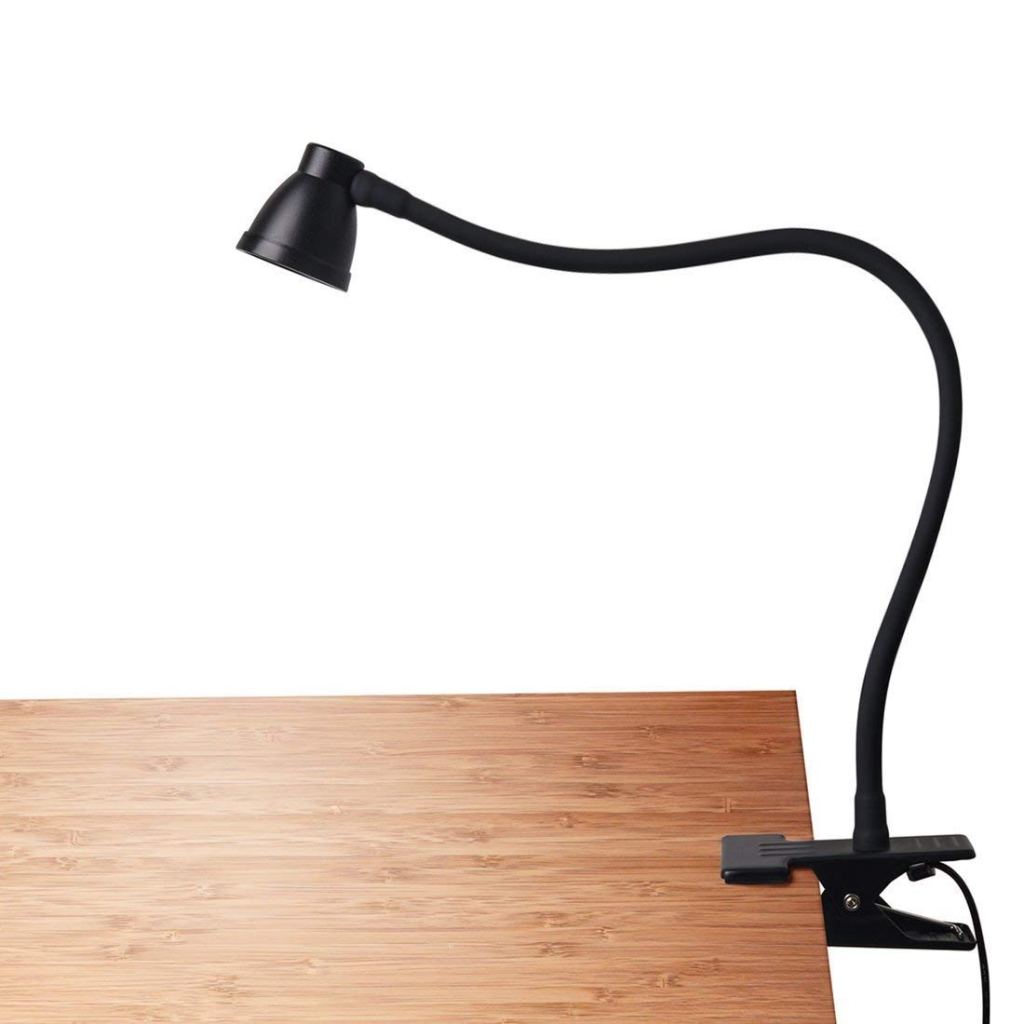
First, I bought a clip-on light I could hook to my lap desk. Then I bought a book light so I could read books, but those didn’t seem to be enough. I was also having a hard time seeing to do my woodburning. I clipped the light on to my TV tray that I woodburn on, but I still struggled. I needed something brighter.

I asked my friend who is vision impaired about lamps that would brighten my living room up enough so I could see my keyboard and my woodburning projects. She suggested a sunlight lamp. My friend Cheryl searched for them online and sent me links. I found one I liked and ordered it. The lamp helps a lot. I can see my keyboard, my woodburnings, my books and my journal.

I worked at my job for twenty-eight years and I have had the same combination lock since then. With a hint of glaucoma, I struggled to see the numbers well enough to unlock it. I had to change to a key lock. My eyes get blurry if I write or read too long so I have to take breaks.

I was working my way around my struggles, but I still felt saddened by my new problem. I kept telling my husband, “I don’t want to go blind.”

He held me in his arms. “You won’t go blind. You’ll be just fine.”

My friend does quite well with her impaired vision. She even works as a cashier at the same company I work for in a different town. My thoughts took over. I’m not as strong as her. If I lose my vision, I’ll just lie in bed and give up. What’s the use of living if I can’t see?

I talked to several people who told me glaucoma progresses slowly and there are eye drops and surgery that can help it when it gets further along. Cheryl told me her father has had glaucoma for years and he can still see. She also reminded me I was in the earliest stages of it, and I would be fine. Lou also assured me I would be fine.

With coping techniques and new provisions, I’m learning to see beyond my struggles with my vision. Working around my struggles is helping me stay in the light of recovery.

I’m recovering from a sinus infection

I meant to put up an older post for this week but I didn’t get it done. I’m recovering from a sinus infection. I’ve been resting a lot. I didn’t feel like writing a blog post. I’m starting to sound like myself but I still have lots of drainage. I’m sure I’ll be well enough to write a post for next week.

Keep looking for the positive and fighting for recovery.

HOW TO BE A FRIEND TO SOMEONE WITHMENTAL ILLNESS

Friendships are valuable relationships we hold onto strongly. Good friends support us in good and bad times, and we do the same for them. When we feel alone, when we are at our lowest, or when we suffer a loss, a good friend is at our side. When we are happy, when we accomplish something, or when we start new beginnings, our friend celebrates with us.

But how can we be friends with someone who may not be able to give back, who has an illness we don’t understand, and who is negative and sad? How can we be friends with someone who has mental illness?

For many with mental illness, it’s hard to find a friend who will not run from you, use you, or judge you. Friendships are very hard to come by because many do not know how to be a friend to someone who is sick. I was lucky that when I was in the darkest, part of my hole, I had a very good friend who stuck at my side. She knew what to do without me telling her. Not so many are that lucky.

I have a few tips on how to be a good friend to someone struggling with mental illness. Here are my tips:

  • Be willing to listen. A person with mental illness is struggling with thoughts and emotions that are overpowering. He or she often needs to express what is happening inside and all he or she needs from you is for you to listen. Let your friend talk and get his or her feelings out without interruptions.
  • Educate yourself about your friend’s illness. Find out what kind of illness your friend suffers with and research it. If possible, go to a few therapy sessions with him or her. By learning as much as you can about your friend’s illness, you will know how to help him or her better and you will understand some of his or her symptoms. You will also learn what the signs are when he or she is in crisis and needs serious help.
  • Don’t lecture your friend. If your friend is sad and doesn’t know why or if your friend lies in bed all day don’t lecture him or her. He or she doesn’t need lectures for his or her action; instead your friend needs positivity and encouragement. Lectures only make him or her feel more alone and misunderstood, sending him or her deeper into his or her hole.
  • Ask your friend what he or she needs from you. Your friend may have special needs that you’re not aware of, like having someone to just sit with him or her, needing to get out of the house, or needing help with meals. If he or she doesn’t know what he or she needs, then don’t push. Simple things are helpful when a person is struggling with mental illness like a hug, a shoulder to cry on, and a warm smile.
  • Be available when your friend needs support. Part of being a good friend to someone with mental illness is becoming part of his or her support team. By doing this, you must be available for him or her to turn to when he or she is really struggling. If your friend calls you late at night crying or in the middle of the afternoon because he or she feels like giving up, be available. Of course, you can’t be available twenty-four hours a day, but be available as much as you can. Don’t avoid your friend’s calls because you don’t want to bother with him or her. If you can’t handle his or her illness, tell him or her before you commit to being a friend and a part of their support team. It may hurt him or her, but being ignored hurts even more.
  • Be understanding. Your friend might sleep a lot, may say things he or she doesn’t mean, may not be comfortable in social settings, and may not be able to give back to the friendship. Don’t get mad at him or her. Understand that this person is just trying to make it from day to day. If your friend tells you he or she is sad and doesn’t know why, understand it’s part of the illness. If your friend cancels plans or wants to leave a social event, be understanding. If the person doesn’t talk to your other friends or family and only you, be understanding that it is a symptom of his or her illness.
  • Be positive even when your friend is not. Many who struggle with mental illness can only see the worst side of life and the things around them. They need to be reminded that there are still positive things in their lives. When your friend is being negative, remind him or her of the positive things. Don’t tell him or her about negative things in your own life. He or she is unable to handle it unless in recovery.

Being a friend to someone who is struggling with mental illness is not easy, but it is worth it. Cheryl was my friend when I was at my worst, and she was there for me when I could not give back to her. She listened to me cry my eyes out at two a.m. and stayed on the phone until she got me laughing. She pulled me out of the road when I wanted to die. Now that I’m in recovery, I am strong enough to give back to her. Now we are at each other’s sides.

If you can’t handle mental illnesses or you are struggling with your own illness and problems, let your friend know. Let him or her down kindly. It may hurt him or her deeply, but you must take care of yourself. Know your own boundaries before you enter the friendship.

Cheryl and I are soul friends and sisters at heart. Because of her support when I was at my lowest, I am here today to share my story. Now she often uses these blog posts to help me when I am having a hard time. With her help I stay strong in the light of recovery.