Blog posts

TIPS FOR HELPING YOUR CHILD WITH BULLYING

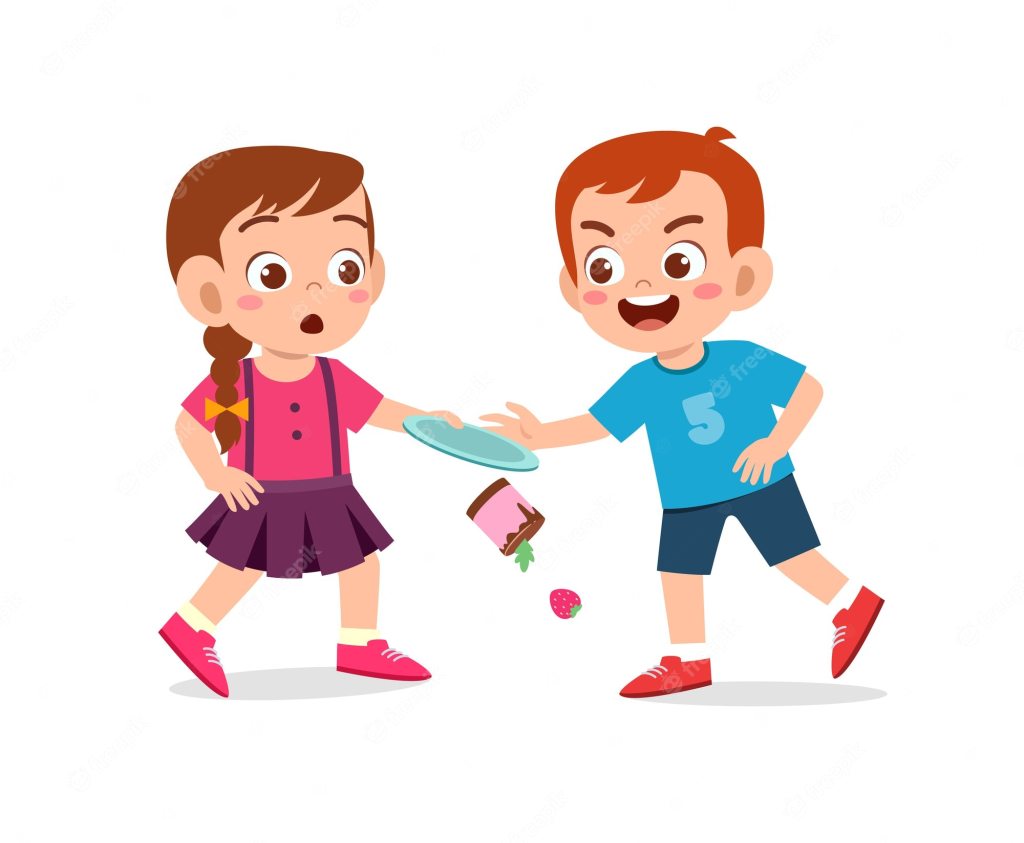
Unfortunately, bullying is a big problem in our schools. Children are being abused physically and verbally for being different. This abuse leads to mental health problems, behavioral problems, drug and alcohol abuse, and academic problems. Many parents are lost, not knowing how they can help their child.

From personal experience as a bullying survivor and through research, I put together some tips for parents to help their children. Below are my tips:

  • Look for signs of bullying. Some of the signs that your child is being bullied are: missing or destroyed belongings and clothing, loss of friends, spending time alone, loss of self-esteem, not sleeping or having nightmares, trying to avoid going to school, unexplained injuries, and so on. You can find out more at this site What are common signs of being bullied? | NICHD – Eunice Kennedy Shriver National Institute of Child Health and Human Development (nih.gov)
  • Keep an open communication with your children. Talk to your children about school. Ask them about their day and friends. Tell your children they can talk to you if they need to. Be interested in their activities and what is going on in their lives. If you have a busy lifestyle, make a special time each day to sit and talk with your children.
  • Be willing to listen. If your child wants to talk, then make time to listen. Let your children know you’re always willing to listen to them. Sometimes they just need a shoulder to cry on and someone to listen while they let out their feelings.
  • Encourage children to share their feelings with other adults. Understand children don’t tell their parents everything. Let your child know if they can’t tell you something, they can tell an aunt, uncle, grandparents, or another adult they feel close to.
  • Look for signs of mental health problems. Many children who are bullied struggle with depression and anxiety. Learn about the signs of depression and anxiety such as nausea, frequent shaking, tightness in the chest, irritability, hopelessness, talk of suicide, excessive worrying, and feelings of sadness. You can find out more at Identifying anxiety, depression signs – Mayo Clinic Health System.
  • Seek professional help. If you notice signs of continuous bullying or signs of depression and anxiety, look into therapy for your child. Bullying is a form of abuse that rips apart a child’s self-esteem and mental well-being. A therapist can help your child cope and talk about what is happening to them. If you don’t feel confident with the school therapist, look for another professional. If you do not have health insurance, look into state funded programs. Many state programs offer help at low cost or no cost. The sooner you get your child help, the better chances you have of combating the effects of bullying.
  • Fight for your child. Talk to teachers, principal, school administration, or school board to put a stop to the bullying your child is facing. If no one will listen then document what is happening and talk to the news. Do what it takes to end the abuse your child is facing.

If your child is being bullied, use these tips to help them deal with what is happening to them. It’s your job as a parent to do what it takes to help your child. No matter how busy your life is, make time for your children and be aware of what is going on in their lives. Lean on friends and family for support. Let’s stop what we are doing and speak out for our children.

I wrote my book Escape to the Garage: Family Love Overcomes Bullying to show not only the effects of bullying, but also the importance of family. My mom fought endlessly for me, but unfortunately back then she didn’t have the resources we have now. My family and my parents got me through many hard times as a child. The only regret I have is I should have never kept so much to myself. Writing my book and speaking out against bullying helps me heal in the light of recovery.

TIPS ON HANDLING LIFE’S CHALLENGES

Life is very unpredictable. Sickness hits us when we least expect it, and other things seem to go wrong all at once. Our car breaks down, our roof leaks, a friend walks away, or a husband gets hurt. When you’re struggling with mental illness, life’s challenges can worsen your illness. If you’re in recovery or on the road to recovery from mental illness, life’s challenges can threaten to push you down that dark hole.

If you have been following my blog, you know I have faced a lot of health problems and challenges that have tested my ability to stay in the light of recovery. If you’re new to my blog, check out some of my older posts. I developed ways to cope with life’s challenges that I faced. Below are a few tips on how to handle challenges.

  • Allow yourself time to feel. Give yourself time to get sad, cry, scream, and let out your emotions. Holding in your feelings can only send you further into that hole of darkness. Do what you need to get those feelings out even if it means spending a day in bed.
  • Pull yourself together. Don’t let yourself stay stuck in your emotional state of mind. Remind yourself of how strong you are and what it took you to get where you are, whether it would be on the road to recovery or in recovery. Wipe those tears away, get out of bed, get dressed, and remember how strong you are.
  • Focus on the positive. Even though things are tough and seem hopeless, there are positive things. Pull out a piece of paper and write down the positive things in your life like you have a home, you got up that morning, the sun is shining, and you have food. Even the smallest things can be positive. It might be hard to find good things during the hard times, but don’t give up.
  • Turn to coping techniques. What kind of coping techniques did you learn in therapy? Do you do deep breathing, or grounding techniques? Do you have a hobby, do you journal, or do you go for a walk? Whatever coping techniques work for you, use them. If you don’t know of any techniques, then research some on the internet or talk to your therapist.
  • Lean on your support system. Talk or text your friends or family members who are part of your support team. Often, they can give you good advice or guide you to a healthier path. Sometimes it’s just good to have someone listen to you.
  • Push forward. When life hits you hard, it’s easy to give up and go backwards, but remember you’re strong. Stand up tall and push forward. See the hard times as something you can find away around. Be determined that you won’t let the struggles pull you down. You can get through this, and life will get better.
  • Seek help or talk to your therapist. If you find that you can’t get through this difficult time in your life on your own, call your therapist and make an appointment. If you’re in recovery and you no longer have a therapist, find one. There is no shame in seeking help. A therapist will have lots of ways to help you through and can guide you through the challenges that face you. Don’t be afraid to ask for help.

Remember no matter how difficult things can get, you can get through it. Don’t let life’s challenges push you down that dark hole. Your road to recovery or remaining in recovery is too important to risk. Follow these tips or find your own ways to handle life’s challenges.

I have been through numerous illnesses, surgeries, and hard times and through it all I used these tips to keep me in recovery. I face life’s challenges with strength in the light of recovery.

STARTING COLLEGE WITH MENTAL ILLNESS

Mental illness knows no age limits. It can happen to anyone at any age, even to children and teenagers. Some teens receive counseling, and some keep their struggles quiet out of fear. The mental illness doesn’t just weaken after high school especially if it’s untreated. Many young adults experience worsening of their mental illness or the onset of the illness when they start college. They are starting out on their own as adults, they have heavy work loads, long schedules, peer pressure, and a hard time fitting in.

During my senior year of high school, my cousin was killed in a car accident. This sent me deeper into depression. I kept my inner pain to myself and only told one of my friends. My grandparents lived close to the college I planned to attend so I moved in with them. They lived forty-five minutes from my home and my friends. My grandparents were kind people who gave to me endlessly. Grandpa checked my oil, cleaned snow off my car in the winter, and made sure my car was running every morning. Grandma went out of her way to cook my favorite foods, spoil me with love, and refused to let me help around the house. She told me my college work was more important. I was spoiled, yet unhappy.

My cousin’s death left me in great sadness and the only person I thought understood lived miles away. I was used to having my three siblings around and my mom there to help me. Even though my grandparents would have done anything for me, I felt like I had just entered adulthood and had to handle things on my own, including the endless sadness that was engulfing me.

I thought I could handle going to college full-time taking daytime and evening classes. This proved to be overwhelming. I had more homework than I could handle. My learning disability made it impossible for me to keep up with the reading assignments. I’m slower than the average reader, plus I have to reread things to be able to remember them. I stayed up late trying to complete reading assignments, study, and translate lectures I recorded with a small tape recorder into notes. I was stressed out. I was falling behind and that brought up the fear that followed me from high school, the fear I was going to be a failure.

If I wasn’t working late into the night, I would be lying in bed staring into the darkness struggling with endless negative thoughts and worries. Every morning I felt nauseated and forced myself to eat breakfast before going to classes. In between classes I escaped to the bathroom to get sick. On top of my depression, I was home sick and put my deepest feelings in notes to a friend. That ended in a big mess that led to abuse by my friend. I was too sick to see what she was doing to me. I just knew I couldn’t lose any of my friends and I held on too tightly.

In elementary and high school, I self-injured by pulling my hair or punching a wall, but in college I started cutting. I was sick, in pain, fatigue, stressed out and in agony, and I needed to release all those painful feelings. The only way I knew how was to injure myself. I hid my injuries under long sleeve shirts, or I cut further up on my arm that no one could see them. I hurt myself just deep enough to free the emotional pain.

I also began to plan my death. I even wrote out my obituary and suicide note. My grandparents slept downstairs and I had the whole upstairs to myself. They had no idea what I was doing. I was an adult I couldn’t trouble them with my problems; besides I didn’t want to hurt them. I thought if I were dead, I wouldn’t hurt my family with my miserable existence. One night I took a bottle of pills. I felt dizzy and out of it, yet somehow, I drove to college in a snowstorm and back.

When my mom started to notice something was wrong, she began to visit each week to spend time with me. When I finally confided completely in her about how I was feeling, she moved me home and went on a search to get me help. Eventually I took a year off college to work on my mental health.

College is a new beginning and can be made especially difficult if you are struggling with mental illness. My advice is don’t start college until you have begun treatment for your mental illness and have learned coping techniques for the sudden change in your lifestyle. If you need to take a year to work a job and do therapy to get your mental illness under control, do it. There is no need to rush off to college until you’re mentally strong enough to cope with the new challenges. Take care of yourself first. You can go to college at any time.

Don’t keep your feelings to yourself and try to handle your illness on your own. Tell your parents, a family member, or a counselor at the college what is happening to you. Even adults need help and support managing mental illness. Don’t suffer alone. Don’t be afraid to ask for help, especially if you are suicidal.

If college is becoming too stressful and it’s taking a toll on your mental health, then consider cutting down on some of your classes. It might take you longer to complete your degree, but your mental well-being is more important. When I returned to college after a year off, I cut my class load down to part time. It took me longer to graduate, but I was less stressed and stronger mentally because of it.

I started a two-year college in the summer of 1993 and graduated in 1999. It took me much longer to get my degree, but my mental health was better because of it. I have my degree hanging on my wall to remind me of the huge accomplishment I made despite a learning disability and mental illness. I stand proudly in the light of recovery as a college graduate who is following her dreams.

TALES OF THE CPAP

According to Sleep Sources (How Many People Have Sleep Apnea? 51 Statistics (sleepsources.com), around 22million people in the US have some form of sleep apnea. I am now one of them. When I took the sleep test, I was sure it would come back normal, but it didn’t. I’ve had sleep problems since I was a child due to anxiety, depression, and nightmares, but I never imagined as an adult I’d need a machine to help me breathe at night. This starts my tale of sleeping with a CPAP machine.

When I learned I needed a CPAP machine, I was very unhappy. How could I sleep with a mask over my face? My friend Cheryl told me she gets the best sleep she has ever had since she got hers. Another friend told me she can’t stand her CPAP. She’s tried several masks and none of them makes her feel comfortable. She told me her sleep has been worse than before the CPAP.

Which person would I be? The one who got the best sleep or the one who couldn’t stand the mask? I began to dread getting my CPAP. The more stories I heard, the more I hated the idea of a mask over my face at night.

When I told my psychiatrist I had sleep apnea, he said I will probably be able to get off my sleeping medication once I got used to it. He assured me I would be able to sleep much better. I’ve been on sleeping medication for years. It would be great to get off of them, but I still had my doubts about sleeping with something on my face.

After a month of worrying about the machine, I finally got a call for an appointment. The day of my appointment the GPS took us to a neighborhood a few miles away from the actual destination. I had to call to get directions and we ended up fifteen minutes late. The appointment seemed easy. The technician showed me two masks and I chose one. She fitted it to my head. She explained the machine and had me sit for a few minutes with the mask on and the machine turned on. It seemed simple enough.

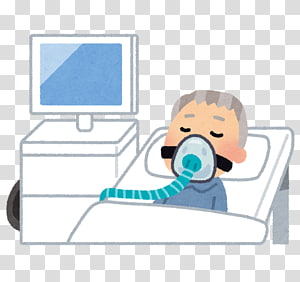
My first night I struggled. The sound of air leaking out of the mask kept me playing with the mask to adjust it. Each time I got up to go to the bathroom I removed my mask, and it only became more uncomfortable to put it back on. So, I tried to just unhook the hose, but this long hose protruded from my nose like a creature’s tentacle reaching out to suck the oxygen from me. I awoke in the morning more tired than before.

The second night I slept off and on as I adjusted my mask to stop the leakage and to stare at the creature’s tentacle hanging from my nose. I shivered at the tentacle; it threatened me and caused my insides to twist. My husband asked me if I had it on correctly since he could hear it. By seven a.m. I couldn’t take it anymore and took the mask off. I didn’t need to get up until nine but there was no use lying in bed when I couldn’t sleep anyway. I got up and ate breakfast and rested on the couch. I drifted off to sleep. Then my alarm sounded to remind me to catch the bus, and I scrambled to get to work. At work I yawned and pushed my way through while fighting exhaustion.

Sleeping with the CPAP already seemed like a nightmare.  How could I continue with this darn machine? Will I ever be able to get off sleeping medication? So far it seemed like I was in a horror story. The hose protruding from my nose haunted me, it leaked air and my anxiety began to heighten. I got an email from an App for my CPAP machine suggesting I tighten my mask to stop the leakage.

The following night I tightened the mask. The leakage stopped, but the rubber around the nose piece touched my nostrils when I breathed. It was like the tentacle hanging from the front of my mask was reaching up my nose to suffocate me. I tried to adjust the mask, taking it off and putting it on several times, but the anxiety and feeling of suffocating worsened. I struggled with it all night and by morning I couldn’t even stand to look at it. I put it on the nightstand and went downstairs.

I texted Cheryl, “I can’t stand my CPAP.”

I explained to her the feeling of suffocation. She told me to call the technician to see if I could try another mask. The problem was it was Sunday and there was no way I was going to put the mask on again for another night. I lay down on the couch and slept until my husband came home. A little bit after he got home, I went to work.

I stood behind my register at the grocery store anxious and exhausted. My insides shivered and twisted. Tears threatened to pour from my eyes, but I fought to control them. I waited on customers while trying to force a smile. I swallowed hard as the swell of tears grew. I shut off my light and told the coordinator I was going to the rest room. I sat in a stall bawling and texting my husband in between tears. He told me to tell them I needed to go home and he was coming to get me. By the time I left the store my anxiety was out of control. When my husband pulled up, I got in and continued to cry as I became nauseated. I gagged and got sick on myself. At home Lou led me to the couch and I slept for several hours.

The next morning, I felt very weak and ran down. I called off work and I called the technician. She had no available appointments until Friday. There was no way I was going to wear that mask until then. I slept without it. On Friday she fitted me with a new nose mask that formed like a tent over my nose and the hose attached to the top of the mask on my head.

That night I sat on my couch with the mask on and the CPAP running for a half hour, and I made it through. No anxiety. I still worried about sleeping in it. So, when I went to bed later, I struggled with some anxiety that kept me awake for a little bit. I kept talking to myself, telling myself I was safe, and I could sleep. I eventually fell asleep and slept throughout the night. I had no anxiety the next morning.

I’m still adjusting to the CPAP and its mask, but I know I’m on the right path. I’m holding on tight to the hope to eventually get off sleep medication and to feel rested every morning. The tales of the CPAP will continue. For now, I stand in the light of recovery adjusting to a new challenge.

THE IMPORTANCE OF STOPPING MEDICATION PROPERLY

Medication for mental illness regulates the chemicals in the brain to control many symptoms of the sickness. The medicine is very powerful and must be regulated by a doctor or psychiatrist. Sometimes psychiatrists or doctors improperly take patients off medications, causing the return of symptoms and withdrawal. Some struggling with the illness become frustrated with their medicine. They might not feel the relief they need or suffer with side effects. In this case they might take themselves off their medication cold turkey. This is dangerous. Medication should be stopped properly to avoid serious complications.

In Darvin Hege’s MD PC blog post “Abruptly Stopping Psychiatric Meds” he states, “The decision to stop taking psych meds without benefit of mental health or psychiatric planned medication reduction or change can be dangerous, even life threatening. Withdrawal can bring distressing reactions including potentially fatal seizures with unmonitored stoppage of psych meds.” 

When I was newly married to my husband Lou, we flew to Georgia to spend a week with his aunt and uncle. His uncle was a psychologist. He noticed my hands were shaking a lot. He sat me down and went into psychologist mode. He asked me questions about my illness and medications. I told him what antidepressants I was on and how long I had been taking them.

“I believe you have been on your antidepressants for too long and they are starting to cause a side effect, the shaking,” he said.

When I returned home, I told my psychiatrist. He decided to send me for tests to make sure it wasn’t anything neurological. I went through several tests. Doctors told me the different illnesses that could cause the shaking, but all the tests came back good. When my psychiatrist received the test results, he decided to take me off all my medication. Immediately I started feeling hot and sweaty. No matter what I did I couldn’t cool myself down. My stomach twisted into knots and just the sight of food made me nauseated. I stopped sleeping. I sat up all night long wishing I could just sleep.

I began having problems concentrating at my job and I made a mistake that resulted in me getting suspended. This devastated me. I cried easily, and my depression hit me so hard that I was thrown to the bottom of the hole. My body began to shake so bad I could barely stand. I felt sicker than I had ever felt. I couldn’t keep food down and became very weak. Lou took me to the Emergency Room, and they gave me an IV of fluids. It was worse than the flu. Lou called his uncle and told him what was going on. His uncle asked to talk to me. I told him how I felt, and he automatically knew I was going through withdrawal.

His uncle told me, “Your psychiatrist should have never taken you off your medicine all at once. He should have carefully lowered the dose until you were weaned off it and then slowly started you on new antidepressants.”

A friend told me about a psychiatrist a family member of hers was going to and I started seeing him. The new psychiatrist started me on new medicine and when it didn’t work, he kept lowering the dose while slowly starting me on a new med. This process helped me get off an antidepressant without having withdrawal.

Medication for mental illness is not a joke. It isn’t something you, your psychiatrist or doctor should play around with. If your psychiatrist or doctor tells you to stop taking your medication without weaning you off, then it may be time to find a new one. When he or she takes you off improperly, they are playing games with your health. A good psychiatrist or doctor will take you off your meds by slowly decreasing the dosage until it’s safe for you to stop it. Always refuse to be taken off your medication improperly.

When your medication isn’t working or you’re having side effects that are making your ability to function impossible, don’t just top your meds. Call your psychiatrist or doctor and tell them about any side effects or that your medicine isn’t working. Let them take you off properly and decide what medication to put you on. Finding the right medication is a frustrating process, but one that should be handled by a professional, not you.

Your health and well-being are important. The best way to stay on the road to recovery is to know the importance of your medication and to allow the professionals to decide how to take you off it and when to start you on a new one. Part of recovery is taking care of yourself and handling your medicine properly.

I have a psychiatrist who knows his medications well, and with his help I bathe in the light of recovery.

FOLLOW YOUR DREAMS

Everyone has dreams for the future. We dream of finding our true love, of owning a bakery, writing a book, becoming a lawyer, and so on. Our dreams drive us to strive to make them come true, but sometimes when we struggle with mental illness, we feel like dreams are hopeless. We see our dark little world and suddenly the future seems like a road into more agony.

I have had several people who struggle with mental illness tell me, “Because of my mental illness I have to give up my dreams.” Or they say, “With my mental illness I can’t follow my dreams.”

I once thought this way. When I hit the bottom of my dark hole, I stopped writing. My father kept asking me when I was going to write a book. My excuse was because of my illness I’ll never be able to write a book. I thought my dream to publish a book could never come true. I stopped trying. I told myself it was hopeless. I thought of myself as a failure. I was just a worthless loser. I put my paper and pen down and sat in despair.

When I started on my path to recovery, I began writing again; I wrote short stories and essays. I had a few essays and a couple of humorous stories published. I even won a special award for a short humorous story, but I still believed I could not write a book. My parents asked me when I was going to write a book. My answer was, “I can’t; I can only write short stories.” I still could not believe in myself enough to strive to make my dream to publish a book come true. My dreams couldn’t come true. But I was wrong.

When I met my husband, I still struggled with bouts of depression and bad self-esteem. He changed my life. Every day he complimented me and encouraged me. He even agreed to go to couples’ counseling with me to learn how to handle my illness. With his help I strove to reach recovery. On that road towards the light, I attempted to write a book, but I gave up. Five years ago, I decided I was going to write and publish my memoir. I started writing, Escape to the Garage: Family Love Overcomes Bullying.

I struggled with reliving powerful emotions and self-doubt. I told my husband several times, “I can’t write this. My writing sucks.” Continuously, he encouraged me to keep writing. He told me to follow my dream.

Each night, before he went to bed, he said, “You’re going to write tonight, right?”

I hugged him. “Yes, I’ll write tonight.”

When I came to bed he’d wake up and ask, “How many pages did you write?”

When I needed a break to handle the memories and heal the wounds of the past, he reminded me that I could not give up on my dream. At times the emotions of the abuse the younger me felt were so powerful I felt like I couldn’t go on. My husband reminded me of how far I had come and that I could not give up when I was so close to making my dream come true. I started to believe in myself, in my dream. With each chapter I wrote, my writing improved and my dream got closer.

When I got to chapter 20, I started daydreaming of holding my book in my hand and giving talks about bullying. By the time I finished my first draft, I was dreaming of my launch party. My dream of publishing a book was coming true. When my book was finally published, I couldn’t wait until my first box of books came in the mail. I checked my front porch each day, hoping they would arrive early. I was jumping for joy when they finally arrived. I can’t tell you how wonderful it felt to hold my dream that I once thought would never come true in my hand. I was floating among the stars.

2022 was the year I made my dream come true. The year I started my work as an advocate against bullying by giving talks about my experiences and the harm bullying does. I have spoken at libraries, a historical society, a girl scout troop, and at the YMCA. Now my dream is to speak at schools and I’m going to strive to make that come true.

Don’t give up dreams just because you have a mental illness. It may take you longer to achieve it and you will have to work towards recovery before you can reach it, but dreams can come true. Never give up or stop following your dreams. If you are really struggling with your illness, put your dreams aside until you get stronger. Once you have your illness under control, strive to make it come true. If I can do it, so can you.

Because I followed my dream and made it come true, I stand proud in the light of recovery.

I started a newsletter. If you are interested in subscribing, click on this link: http://eepurl.com/iuzWqw

THE IMPORTANCE OF MEDICATION

We all dread to be put on medicine. It seems like there is a prescription for every little problem we suffer with and then a medication for the side effects another one causes. It seems like an endless cycle. Sometimes we ask ourselves if being put on another drug is worth it. Does it really help? For those of us who struggle with mental illness, we might cringe at being put on an antidepressant, anti-anxiety, mood stabilizer, or antipsychotic. We fear the side effects and how they might make us feel. We wonder if they are important.

Medication for mental illness is very important. Most mental illnesses are caused by an imbalance of chemicals in our brains. To balance those chemicals, we need to take medication. Therapy helps change a pattern of behaviors and thoughts a person developed while struggling with mental illness, but therapy is no good without medication. Without something to balance the chemicals you will find yourself unable to climb out of the hole.

I consider my antidepressant and anti-anxiety medications my life savers. They control many of my symptoms of depression and anxiety. Without my medication my emotions take control of me: I cry, I can’t focus, I can’t make rational decisions, I can’t sleep, I get very depressed, and I get sick. Without them I would not be in recovery, but they alone are not what helped me get to where I am.

When I hit the bottom of my dark hole of mental illness, I was so consumed with sadness I could barely force myself out of bed in the morning. I spent endless nights begging for sleep and cried easily. While struggling with those emotions I developed a negative pattern of thinking, I lost my self-esteem, and I developed unhealthy coping techniques. When I finally told my mom about what was happening to me, she searched for help for me until she found it. I started seeing a therapist who helped me work on my thinking; she taught me healthier coping techniques and she worked with me on learning to love myself, but that wasn’t enough. She also sent me to a psychiatrist.

The psychiatrist asked me a series of questions. Some questions seemed crazy like who was the president and what year it was. Other questions seemed logical like how often a day I cried, how many hours of sleep a night I got, was there anything that brought me happiness, and so on. I didn’t understand at the time the importance of his questions, but I know now he was using my answers to diagnosis me and determine what antidepressant might work best for me.

psychiatrist with patient on couch clipart

With the right antidepressant, I was able to focus on therapy and getting myself well. I learned during both times in my life that I hit the bottom of the hole of my illness that medication and therapy work together to help a person become well enough to function and be happy. I couldn’t focus on therapy without medication to balance the chemicals in my brain. Therapy wouldn’t work if my symptoms kept me from functioning and focusing on changing my bad patterns and thoughts. So, I met regularly with a therapist and a psychiatrist.

I’ve had people say they refuse to go on medication for their mental illness. Some have tried herbal remedies like Saint John’s Wort. The problem with a lot of the herbal medications is they are not proven to work; they have not gone through the strict regulations prescription drugs go through. Many people I’ve known who have tried the herbal remedies have found no improvements with their illness. Then again there are some who have found some relief from herbs. My advice is if you choose to go with herbal remedies, but you find no relief, consider prescription medication.

If you want to reach recovery from mental illness, then understand the importance of medication. Sometimes there are side effects, and it takes time to find the right medicine for you, but they are important. Two crucial steps into reaching recovery from mental illness are to find a good psychiatrist and a good therapist. Once you have found both then you can start working towards living life. You won’t be cured of mental illness, but you can live a productive life and find happiness.

I have reached the point of my life where I no longer need therapy. I have a good support system, coping techniques and medication that help me stay happy in the light of recovery.

I have started my newsletter subscribe and get a magnet of an Eagle or a sunflower. Click here to subscribe: http://eepurl.com/iuzWqw

LOVE YOURSELF FIRST

We all want to find the perfect partner to make our lives beautiful and to take our loneliness away. I’ve seen many posts on Facebook where people share their loneliness and if they could just find someone, they would be happy again. The thing is finding the right person is a very hard task. When you’re struggling with mental illness, you can’t have a healthy relationship until you take care of yourself, and you learn to love yourself.

When I was down into the dark depths of my illness, I daydreamed of the perfect man coming into my life and suddenly my sadness and loneliness would disappear. I wanted to find Mr. Right so badly that when a guy came along making phony promises, I thought I was in love with him. He asked me to move in with him and I did. Things changed quickly. It started with him saying I couldn’t use a certain pan because I would ruin it. Then it increased to verbal and physical abuse.

He was a narcissist, and he used my weakness to get pats on the back. He went to therapy with me and told the therapist how I abused him. He told his family and neighbors how hard it was on him to take care of a woman with mental illness so they would feel sorry for him. When he packed my bags to kick me out, I lost control and put my hand through a window. Instead of calling my mom, he called his. His mom sat there as the EMT bandaged my hand telling me if I had treated her son better, he wouldn’t have kicked me out.

I wanted to find the right guy so much that I missed all the signs that my ex-boyfriend was the wrong one for me. I didn’t love myself and I was so sick I couldn’t make clear decisions. After he threw me out, I went into a mental health hospital and started taking steps to take care of myself. When I got out of the hospital, I realized I couldn’t be in a healthy relationship with anyone until I decided I wanted to work towards recovery. How could I truly love a man if I didn’t love myself first?

After I got out of the hospital I started on a journey to recovery. I worked hard to change my thought processes and to learn to love myself. I was doing well, but I kept having bouts of depression. I started to see myself in a new light, but in the process to recovery, I had to end a lot of bad friendships. I was lonely. I was changing into a new person, and I had no one to share that with until I was set up on a blind date with my husband. When I met him, I finally loved myself enough to know I deserved a good man.

My husband has a friend who is struggling with mental illness. He talks continually about finding the right woman. He’s been in several bad relationships while looking for that special love. He tells my husband how lucky he is to have a woman like me. The problem is my husband’s friend does little to work on taking care of his illness and learning to love himself. I’ve told him several times, “Take care of yourself and learn to love yourself first, and in time you will find the love of your life.” Instead, he dwells on being single and goes out with all the wrong women who end up hurting him. I’m not sure if he will ever get the help he needs to work towards recovery and learn to love himself.

I belong to a mental health support group. Many people complain about how lonely they are and if they’d just find a partner, they will feel better. It’s not that easy. Loving someone else doesn’t cure mental illness and take away all their problems. We all want to be loved and cared for by someone special, but how can we give love if we don’t love the one important person in our lives, ourselves?

I know from experience that when we are deep down the dark hole of mental illness, the only thing we can see is our own horrible, miserable existence. We are so focused on hating our lives and ourselves, we can’t even be a good friend, let alone a good partner. When we’re at our worst we can’t even be supportive of the people we care about, let alone commit to a serious relationship. The first step you need to take is to decide if you want to work towards recovery. Secondly you need to find help, and thirdly you need to work hard to get better and learn to love yourself.

Once you learn to love yourself, you’re able to make clearer decisions about what type of person you want in your life. You’ll be able to see the flaws in the people you are dating, and you will be able to give equally to a relationship. Love yourself enough to find a partner who will love you the way you deserve.

Because I learned to love myself, I found a wonderful husband who spoils me every day and I dance in the light of recovery as a beautiful woman.

REASONS TO LIVE

You’re in the darkest deepest part of your hole of depression. You feel helpless, hopeless, useless, and worthless. You see your existence as a burden to your family and friends, and you just can’t stand living in so much pain anymore. It seems like your life is useless and there is no way out of that dark hole except to take your life. You keep asking yourself “why am I alive? What good am I to anyone?” The truth is, even though you might be unable to see it right now, there are many reasons to live.

You might say, “What does she know? She’s in recovery and she’s happy.”

I was once in your place. I had planned my suicide and attempted several times. In recovery I did find that there are many reasons to live. Some who attempt suicide or plan it don’t live to figure out why they should continue. So, I’m here to tell you, “STOP and read this.” Maybe this will change your mind.

Here are some reasons for living:

  • Happiness and recovery are possible. It may not seem like it right now, but you can learn to control and cope with your depression. With hard work you can take control over your illness and find recovery and happiness.
  • You are important. You may think badly of yourself right now, and it’s hard to just love yourself, but with work you can learn to love and like yourself. You are not just a sad, lowly person on this earth. You are a special, unique person who has touched others’ lives without even knowing it. You are important and you deserve to live and know that your existence means something. If you die, you’ll never know how important you are to this world and to others.
  • You have a future. Your life isn’t destined to experience continuous pain. God has plans for your future. You can travel, you can work a successful job, you can find the love of your life, and you can have your own family. You’ll never get to see your future if you take your life. There is a promising future for you just waiting if you’re willing to fight for recovery and if you decide to live.
  • You can make your dreams come true. Have you dreamed of owning your own bakery? Have you always wanted to climb the highest mountain? Have you wanted to go to France, and much more? Dreams can come true if you’re willing to fight and work hard for them. No dream is too big to reach. Believe in your dream and make it happen.
  • For your family and friends. You may think your family and friends would be better off without you, but they won’t. If they find your body or hear that you took your own life, they will never get over that. You would leave them with unanswered questions, endless grief, self-blame, and agony. No matter how hard it is for them to see you so sad, it is much harder for them to weep over your body and stand at your grave wondering how they could have prevented losing you. Do you really want to put them through that?
  • For a chance at a new beginning. Life is rough right now, everything is falling apart and going wrong, but it doesn’t always have to be like that. Taking the steps to ask for help and start your journey to recovery is taking a road to a new beginning. When you do reach recovery, you can rebuild your life and start a new beginning. If you made mistakes in the past, you could put them behind you and start out fresh. Being able to fight your depression and reach recovery gives you a new perspective on life and a chance to live a better life.
  • For you. Decide to live for you because you’re not that deep sadness that is overtaking your existence. You are much more than your illness. You’re a loving, kind, and strong person who deserves a chance at life. God made you for a reason. He doesn’t make mistakes. You are a good reason to choose living. You are a special person who deserves a chance to shine like the star you are. You should be the most important reason to live for. Stop planning to die and choose to live for yourself.

When you start thinking about suicide, think about the reasons you should live. Write them down on a piece of paper or in a journal. Hang them up on a mirror or near your bed. Each time you think you’re better off dead, read over the reasons you should live and decide to fight. When you think you can’t go on anymore, read those reasons. Keep reading them and pushing towards recovery. You can climb up out of the darkness of the hole and stand in the light of recovery. Choose life.

Several years ago, I thought my life wasn’t worth living. In time I chose to live and to fight for recovery. Now I live a wonderful life. I still cope with my illness, but I stand as a survivor of suicide and a stronger person in the light of recovery.

I MISSED A POST

I try to make sure my blog posts come out every Tuesday unless something comes up. This week my only reason is, I forgot. I’m on vacation from work, you would think I would remember, but I didn’t. For a vacation I have been busy. There is a lot going on in my life.

I write on Saturday night. Saturday I went to my Pennwriters group, I went for a ride with my husband and planned my talk for today at the YMCA. My talk with the YMCA went rough at first but got better. I talked to three groups of children. The first group were around kindergarten to second grade. They were a handful. They couldn’t stay still, they didn’t listen and some crawled under the table. I talked to the same age group next week. I have to plan an activity to keep their interest. Any suggestions?

The other groups were older. I’m guessing around 3rd to 6th grades. They listened, they participated with an activity well, and they answered questions. I found an antibullying pledge and had them say it with me. It was great. It was a wonderful learning experience.

Since my last day of vacation is this Saturday I plan to sit down and type out a blog post. I’m working on setting up a newsletter. Setting up the site for the newsletter is a challenge, but I will keep you posted. So keep your eyes open. I will share the link to subscribe to my newsletter once I put it together. So, keep your eyes open.