Blog posts

TOXIC RELATIONSHIPS AND MENTAL ILLNESS

Getting into toxic relationships can happen to anyone. Sometimes we must go through bad relationships before we find good ones. Some people are more prone to unhealthy relationships than others. Many who have mental illness fall prey to toxic people. These people see the weakness in those struggling and take advantage of that. Those who are struggling find themselves unable to fight back and only sink deeper down the hole.
When I was in high school, I had a friend with an overprotective and in some ways an abusive mother. It took a while before her mother would even let her come over to my house. The friend and I became very close. I was sinking into depression, and she seemed to understand what I was going through. Then my senior year my cousin was killed in a car accident, and I fell into the deepest part of my hole. After I graduated, I moved forty-five minutes away to my grandparents to go to college. I continued to write to my friend and visit her on weekends. The deeper I fell down the hole, the more abusive she became. She played games with my sick mind and abused me in other ways.

I didn’t have many friends growing up and those I did have either moved away or turned on me. I was confused on what a healthy friendship was, and I was too sick to decipher what was wrong or right. I held on to her tightly even though she kept hurting me and it only made me sicker. I became suicidal, I had anxiety attacks that made me sick every day, I couldn’t sleep, and I began to cut and burn myself. I had hit rock bottom. The abuse continued until she moved away to college.

Years after I graduated from college, I was set up on a date. I thought I was in love. I moved in with him and planned to marry him. At first it was great, but slowly his kindness turned to abuse. I couldn’t use certain pans because I might ruin them, my cooking was no good, I was a failure because I was unable to go on to a four-year college, and so on. The verbal abuse worsened and then came physical and sexual abuse. He told everyone how well he took care of me and how awful I was to him. He went to therapy with me and told my therapist how I abused him, and I got lectured. I couldn’t see what he was doing to me. I was falling apart. My illness continued to worsen.

After he kicked me out, I ended up in a mental health hospital. It wasn’t until I started to work towards recovery that I realized what he had done to me and that he preyed on people who were weaker. He used my mental illness to get pats on the back for taking care of me.

Later, the abuse I went through with my friend and ex-boyfriend led to PTSD. I had nightmares of what happened to me. For a long time I was uncomfortable with hugs from other women because it sent me back to the abuse I received from my friend. I struggled for years trying to understand what happened to me. I’m not sure if my friend did it because of her mother or because she saw her chance to take advantage of someone weaker. For a long time I thought it was my fault, because I let it happen. I was too sick to fight back, and I allowed myself to be abused. I had to work through that in therapy.

After my ex-boyfriend, I swore off men. I moved back home with my parents and planned to live with them for the rest of my life. How could I ever trust another man again? I lost a lot of friends because of my ex and I lost myself. I had to work on it in therapy. Even when I met my husband, I was afraid to trust him, but it became impossible to deny that I was falling in love with him.

No one deserves to be in a toxic relationship. No one deserves to be abused. If you’re in a bad relationship, walk away. Look for the signs of a bad relationship such as physical harm, verbal insults, controlling behaviors, being forced into uncomfortable situations, refusing to let you be around friends and family, and forced sex. You are important and you deserve to be treated with love, respect, and kindness.

I am now in a very healthy relationship with my husband. I have some very good friends who treat me with kindness and respect. Because I am in healthy relationships, I stand in the light of recovery with happiness in my heart.
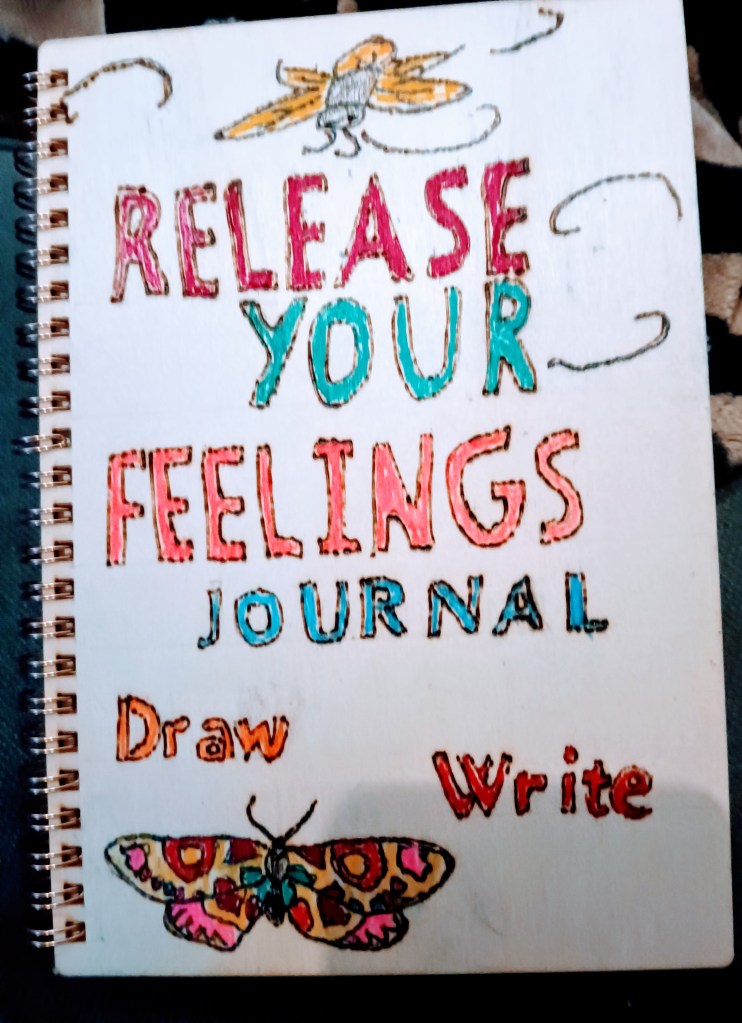
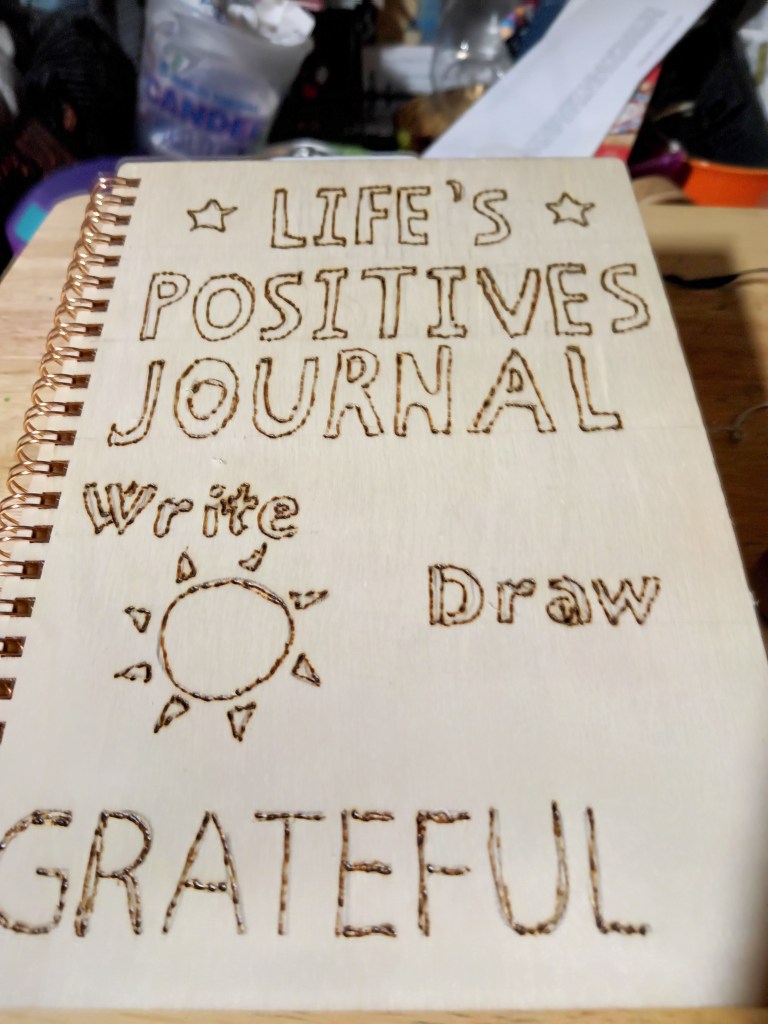
RELEASE YOUR FEELINGS IN A JOURNAL

When struggling with mental illness, many are bombarded by racing thoughts, painful emotions, and an overload of feelings. Our thoughts trigger our emotions and feelings. Together they can cause physical problems such as achy shoulders, chest pain, upset stomach, and labored breathing. Often feelings become trapped within, causing anxiety, panic attacks, and unhealthy coping techniques like self-injury. A good way to release those feelings is to put them in a journal.

When I was in a mental health hospital, a friend brought me a journal and a pen. I began to journal every day. I poured out all my feelings on the pages. It felt like a weight was being lifted off my shoulders. When I got out of the hospital, I took my journal everywhere like a security blanket. I wrote in it at restaurants, on my break at work, sitting at a park, in my car, and other places.

My therapist gave me assignments to write journal entries about certain things that were bothering me and then we would discuss them in our sessions. She used them to develop a plan on how to teach me coping techniques and to learn how to change my pattern of thinking. She even had me keep a separate journal to write positive things in each day. It was very hard to come up with things good about my life at that time, but I worked hard at it.

You might think, “I don’t know what to write in a journal,” “I’m not good at writing,” Or “I’d rather draw.” You can start by writing, “Today I feel..” and let your thoughts and feelings flow. You could even put an emotion down like “I am sad and that makes me feel…” You could write a letter to yourself or to someone who hurt you. The possibilities are endless.

The good thing about journals is that you don’t have to be a good writer and you don’t even have to be grammatically correct. You could even write so badly that you can’t read your own writing. Just write. No one is going to read it but you.  

If you’re not good at putting your feelings in words but you like to draw, then draw pictures that portray your feelings. Get a journal with blank pages and fill it with your artwork. Express yourself with pencils, colored pencils, markers, or whatever works best for you. If you’re feeling like your world is falling apart, then put it into your drawings in your journal. Release your feelings in the way that works best for you, whether it be writing or drawing.

As I mentioned earlier, therapy my therapist had me keep a second journal where I wrote positive things about my day. At first it was very hard to come up with good things, but in time it got easier. If you decide to keep a separate positive journal, that’s fine. You could also write out your feelings in your journal and then add five positive things at the end of each entry.

You might be so far down in the hole of your mental illness that coming up with positive things seems impossible. Start small like “I got out of bed today” or “I took a shower.” For many with mental illness it’s a struggle just to get up and moving. Some find it takes a lot of energy just to take a shower. To accomplish these things is wonderful. As you work hard towards recovery, the positives become easier to come up with.

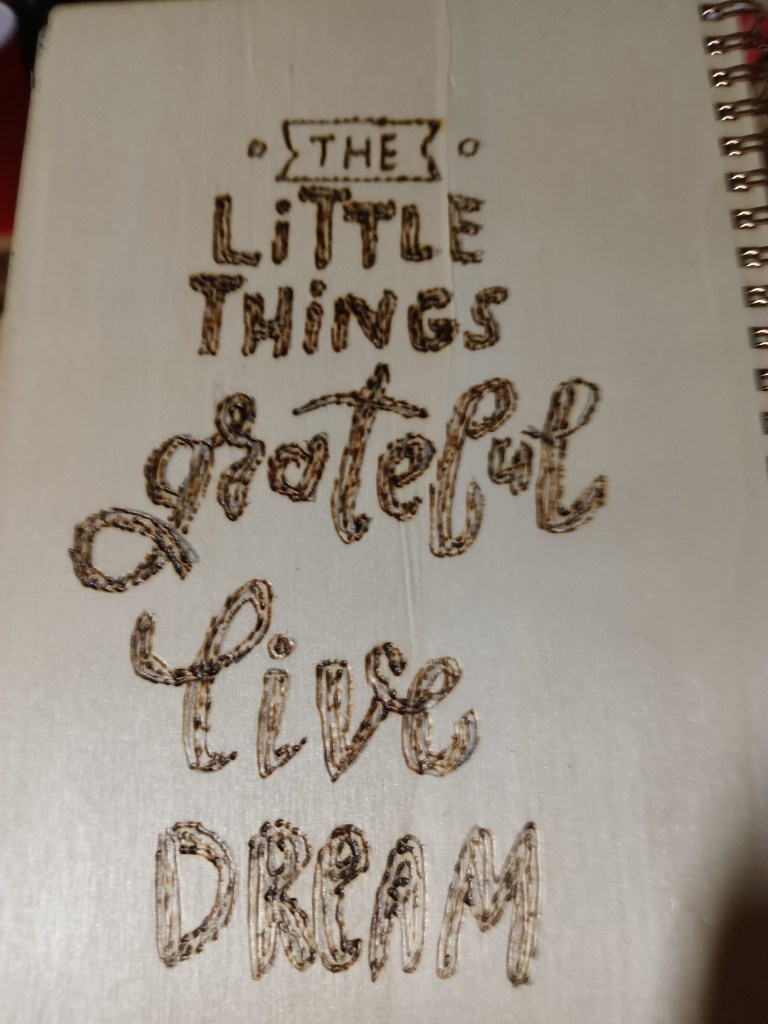
You can become creative with your journal, you can use stickers or pictures. You can cut out inspirational sayings from a magazine or news articles and put them in your journal. I have put obituaries for people I have lost and compliments from my customers in some of my journals. It’s your journal; you can put whatever you want in it and decorate it to your liking.

Journaling isn’t for everyone. If you’ve tried journaling and found it didn’t help you or you just couldn’t keep up with it, then investigate other ways of expressing your feelings like painting, playing a musical instrument, singing, or walking. Don’t keep your feelings inside you. They only cause more harm when you let them fester and build up with no release.

For me journaling has become a healthy coping technique. I no longer carry my journal with me everywhere and I don’t journal every day, but it still gets me through rough days. When I’m going through a hard time, I sit and journal. I not only put my feelings in it, but I problem solve, I brainstorm story ideas, and so much more. That’s how I came up with these blog posts. Journals can have several purposes. So, use your journal in whatever way works best for you.

Because I release my feelings in my journals, the light of recovery fills me.

YOU CAN DO IT

When you are struggling with depression, you lose interest in everyday things and you have feelings of hopelessness and worthlessness. It becomes too easy to neglect your health and daily routines and tasks. You get stuck in a rut you can’t get out of. Even getting out of bed becomes very difficult. You feel as if you can’t move past this horrible sadness that has taken over your life.

I grew up with parents and grandparents who didn’t believe in the words, “I can’t.” Whenever my siblings or I said I can’t do something, my mom would look us in the eyes and tell us “There’s no such thing as can’t. You can do anything you put your mind to.” Her words were my inspiration and became my motto. If someone told me, I couldn’t do something I found a way to prove that person wrong. Throughout elementary they told me I couldn’t read, so I worked hard to learn how to read; they told me I couldn’t longer pass classes on my own, and in high school I passed my classes with “As” and “Bs.” My teachers said I would be on welfare when I grew up, but I graduated from college, I have worked the same job for twenty-eight years and I have written a book.

When I realized I had major depression in college, I felt like my life was doomed. I couldn’t sleep at night, I got sick every morning, I became suicidal, and I self-injured. It took all my strength to get out of bed each morning and go to my classes, yet I continued to get high grades. My life seemed like an endless cycle of hopelessness and inner agony, but I refused to fail at college. It was hard to pass my classes when I was so sick, but I could still hear those teachers from school saying, “You can’t succeed.” This drove me to study long hours to pass my classes.

For many who are struggling with depression, the simplest routine tasks like taking a shower, combing hair, eating, or getting out of bed seem impossible. It’s easy to give up and say, “I can’t do it.” The thing is if you dig deep down inside yourself, you’ll realize you can do it. You can get out of bed, you can take a shower, you can eat, and you can stand up to depression. Remember there is no such thing as, “I can’t.”

Are you lying in bed feeling too tired and depressed to get up? Then say to yourself, “I can get up,” several times. Dig deep down inside you until you get the determination to slip out of bed. Take small steps. Be proud of yourself for each step you take and shout out, “I did it!” Your illness doesn’t have to run your life. You can fight it, you can work towards getting better, and you can reach recovery.

Reaching recovery was the hardest battle I have ever fought. So many times I felt like I just couldn’t go on and I didn’t want to go on. I felt like I was doomed to a life of misery. My mom’s words, “There’s no such thing as can’t. You can do anything you put your mind to,” kept me pushing forward.

When I got home from work and the man I was living with told me he was kicking me out, I ended up in a mental health hospital. He told me he couldn’t help me because I could never get better. His words inspired me to fight harder. In a week I got out of the hospital and started on the path to recovery. I moved back home, I started going to group therapy, and I found a new therapist. Through several years I took steps towards recovery.

You might feel like reaching recovery is impossible and there is no way you can reach it, but you can. Take the first steps now. Start slowly and build your way up. Recovery doesn’t come easily so plan on fighting hard. Remember there is no such thing as can’t. “You can do anything you put your mind to.” Fight for happiness, fight for a new beginning, and fight for yourself. I believe in you. “You can do it.”

I believed I could get better, and I fought hard for it and I reached it. I stand in the light of recovery shouting, “I did it!”

ALWAYS BE YOURSELF

High school is a hard time for teens. They are at the dating age, they face peer pressure, and they work hard to fit in. If you dress differently, are too skinny or too big–boned or have any noticeable difference, you are teased and put down. Many try to change who they are to be part of the popular crowd or to fit in. Bullies are people who act aggressively towards people who are different. They pick out someone whom they determine is weak and abuse the person physically, verbally, or by cyberbullying. They prey on people who dare to be different.

My older sister was in the most current style before the others in our small-town school. She wore lots of makeup and got up early in the morning to do her hair just right. She was beautiful. I just got up in enough time to brush my hair, get dressed, and go to school. Even as a child she was a girly girl. I was always the opposite of her. I was a tomboy. I played with cars and action figures. I didn’t mind getting dirty. My older sister played with dolls and hated getting dirty. My parents loved us for the individuals we were.

I spent my childhood being bullied for having a learning disability and then in high school they found new things to put me down for. As a teen I liked tee shirts, sweatshirts, and jeans. Some of my clothes came from yard sales. I didn’t care about what was considered in style or doing the latest hair style. I hated makeup and nail polish. I was what my classmates and other teens considered an outcast. Many teens in my school picked on me about my clothes and hair. They abused me verbally for being my own person. They made me feel ugly and worthless. I wanted to fit in, but I liked my own style, which was simple.

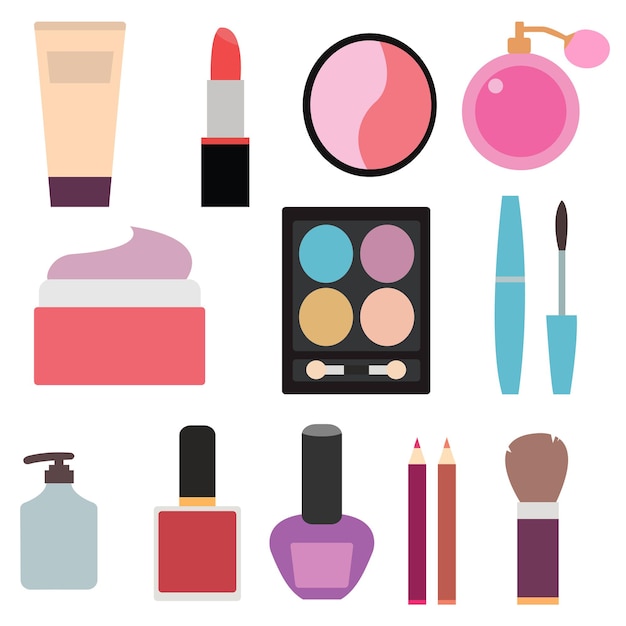
Then a couple of teachers in my special education class decided to hold a beauty day for all the girls in the class. They had a beautician and makeup artist come in and make us up. I hated every minute of it, but I was willing to give it a try so that maybe I could fit in with everyone else. The eye shadow made my eyes itch, rubbing foundation into my skin felt weird, my eyes watered, making the mascara run, and I couldn’t help but lick my lips, wiping away the lipstick. My hair was curled and styled with a curling iron, and when I looked in a mirror I felt like I was staring at a stranger.

The teachers were trying to help me without realizing they were asking me to change who I was to fit in. I went along with it, and I tried to do lipstick and eye shadow on my own. I tried different hairstyles, but it didn’t change things. I was still an outcast and I only hated myself more. I felt ugly in my new style, and I felt like I wasn’t being true to myself. This only deepened my depression and destroyed my self-worth.

Through this experience I learned to never change who you are to fit in. Be true to yourself even if your classmates and your bully use it to put you down. Trying to be someone you are not only deepens your lack of self-worth and your depression. Be the person, the unique individual, you are meant to be and the person you feel comfortable with. Don’t let anyone change who you are just so you can be accepted by others.

Many teens who dress like the popular crowd are not being themselves. They are often just following the crowd and hiding their true selves. Each one of us has different likes, dislikes, styles, and personalities. Owning our differences and daring to embrace them, even though others don’t agree, is a bold and strong step. We must be true to ourselves whether others like it or not.

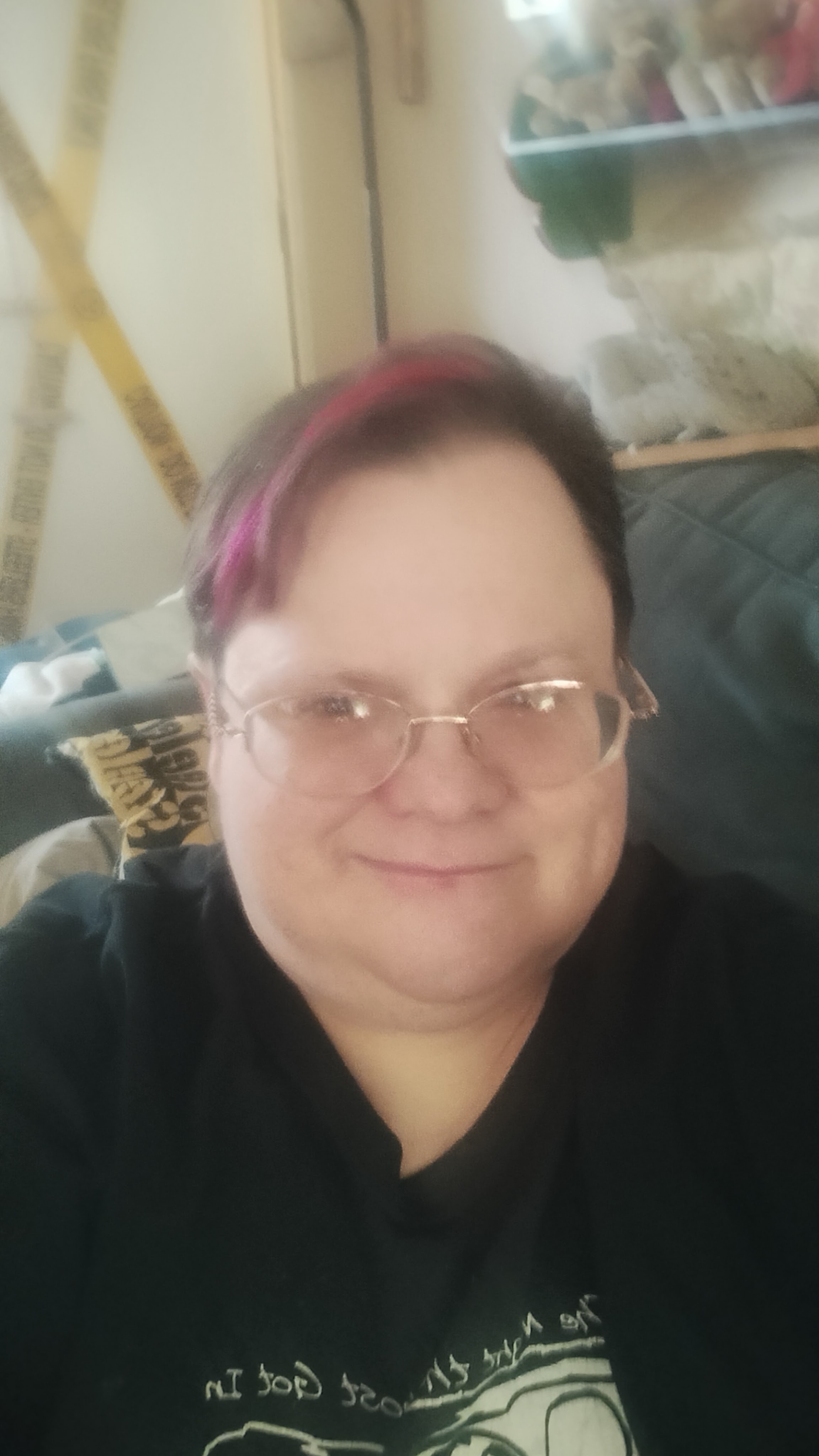
As an adult I’m happy to be my own person. I rarely wear jewelry, and I don’t expect my husband to buy me any. The only jewelry I wear is my engagement ring and wedding band. I don’t put makeup on; I feel comfortable with my natural looks. Most of the time I wear tee shirts, jeans, or sweatpants. I like short hair that I can just run a brush through and be ready to go. I have a streak of pink in my hair to symbolize that I am a breast cancer survivor. This is who I am.

Being myself is what lifts my self-esteem and carries me in the light of recovery.

EMOTIONS FROM THE PAST

Wounds on the soul from the past can heal, but a scar remains. We can move on from abuse, forgive those who have hurt us and heal, but the memory and the scar inside us never goes completely away. Sometimes things that happen in our lives reopen the wound and a storm of emotions flood us. How we handle the feelings is what matters the most.

I was looking at my reviews on Amazon for my book, Escape to the Garage: Family Love Overcomes Bullying, and realized I got a five star review last month. There was no name to tell who wrote the review. The review stated that he or she was a classmate of mine and had good memories of me. Then it stated that he or she hoped he or she was not one of those I wrote about. This opened an old wound. Who could have good memories of me, but not know if he or she was one of the bullies? I had friends that moved away when I was younger, and the few friends that I kept more than a year would know they were not one of the bullies.

Who would have good memories of me when I didn’t talk to my classmates? We had a very small class and often kids follow the crowd when it comes to bullying even if they don’t agree. That doesn’t make what they did okay. Even when you don’t agree yet you participate, you’re as bad as the bullies. Was this one of those type of people from my class? Was it someone who didn’t even try to talk to me because he or she was afraid of getting bullied? Or was it one of the friends who turned their back on me? I went over and over in my mind who it could be who wrote the review.

I want my classmates and the bullies to read my book and see what they put me through. The person did acknowledge that he or she is happy to see my success which made me feel good. Then the person wrote that now that he or she is an adult, none of that horrible kid’s stuff matters. He or she didn’t seem to understand that it’s not just horrible kids’ stuff. When I was younger in the eighties and nineties when kids were mean to others, they didn’t recognize it as bullying. It was kids being kids, but it’s more than that. Bullying doesn’t just happen with children; it happens to adults too. Adults also can be bullies. Plus, what happens to a victim of bullying can affect them into adulthood. The reader of my book obviously doesn’t understand that bullying isn’t just kids’ stuff and that angered me.

To me saying It’s kids’ stuff is just like saying kids will be kids, and the pain and damage I had to struggle with into my adulthood didn’t matter. I spent many years in therapy learning to love myself, change my negative thinking, mend the inner wounds, and forgive and move on from the abuse I faced as a child. Years of being put down by classmates and teachers destroyed my self-esteem, led me into a mental war with myself, and caused wounds no one could see. It also led me into bad relationships, made me afraid to stand up for myself, made it hard for me to trust, and made me agree to things I wasn’t comfortable with because I was too afraid to speak up and so much more. This led into my adulthood. The pain of that resurfaced with the five-star review.

The song “Because of You” by Kelly Clarkson is about someone who was abused, and the lyrics hold true for bullying too. Think about the lyrics as you read them and imagine that child or adult who is being bullied. Here are the lyrics:

Because of you

I never stray too far from the sidewalk

Because of you

I learned to play on the safe side,

so I don’t get hurt

Because of you

I find it hard to trust not only me,

But everyone around me

Because of you

I am afraid

It took me years to overcome these things the song talks about. I had to go through therapy and take antidepressants, and even now I fear being hurt again. I am an adult now and my wounds are scars that at times reopen. The scars are from the bullies who verbally and physically abused me and the bad relationships I got into as an adult because I didn’t know how to have a healthy relationship.

Because of you (my bullies), sometimes my scars open up and the pain floods back, but because I’m stronger I can handle the pain and I stitch that wound up. When I read that review, I texted my friends who are also part of my support team, Cheryl and Amy. They both mentioned the positive side of the review and told me not to dwell on who it might be. I didn’t want to hear the positive, but I listened, or more like read it. Amy suggested I write this post about it, and it is very healing.

To my classmate who wrote the review you’re right; I have succeeded. I am not done yet. I have more books to write, and I am working hard at giving talks to bring awareness to bullying. Thank you for your review.

If old wounds are reopened, turn to your support system, don’t let the wounds push you down, and stitch them back up. Because I stitched my old wounds back up, I stand tall in the light of recovery.

CONQUERING FEAR

Everyone has a fear or more than one. Some fears have special names like acrophobia (fear of heights) or arachnophobia (fear of spiders and some fears are personal). We all avoid things that make us feel uncomfortable. We’ll stay away from high places when we have acrophobia, or we’ll avoid spiders if we have arachnophobia. When fears grow bigger in our mind or prevent us from living a happy life, then they become a problem.

All fears are irrational feelings that are very real to the person facing them. When these fears build on top of each other or grow from a small fear to a big one, they cause anxiety. They prevent us from falling in love, leaving our homes, reaching our dreams, and starting something new. When fears paralyze our lives when we need to get help and learn to stand up to them.

In high school I developed a fear of getting sick. I was obsessed with proving to my classmates that I was not dumb and getting the highest grades. At the end of the school year, I listened to the kids in my school receive multiple awards for their success in school. I decided to get awards and to succeed I had to stay healthy and not miss a day of school. In my mind getting sick meant I was weak and a failure. When my siblings got sick, I avoided them and was nasty to them. At night I begged God to keep me healthy, and at home I cleaned my hands frequently and became unbearable to be around.

That fear was built from my irrational thinking. Sickness didn’t make me weak; it wouldn’t have prevented me from proving to everyone I was smart. It prevented me from being kind to my siblings. It made me into an awful sister who treated my siblings horribly for something they couldn’t control. This fear followed me into adulthood and when I was dating my husband and he got sick, I left the house and drove around for hours. He called me several times and I ignored the calls. In time I learned to handle illnesses better.

I’m a director of One Life Project and we’re in the process of planning events. I’ve always been the person who likes to sit in the background unnoticed. Then I published my book and I’ve been standing in front of people giving speeches about bullying and now the founder of One Life, Alex, wants me to take a step further into the public. He wants me to learn to be a leader and to contact organizations. This scares me. I’d rather sit in the background and follow someone, but I can’t do that. Alex sees something in me I don’t see. He wouldn’t have chosen me if he didn’t. I could let my fear take control and prevent me from helping many with mental illness and making changes in others lives, or I can stand up to my fear.

I learned through my friend, Denise, and through therapy, you cannot let fear stop you. Denise picked me up from home one day and drove me to a resort that has many activities. When we got there, she turned to me and said, “You’re not afraid of heights are you?”

“Yes, I am,” I replied.

“Well, then you’re going to face it because we are going ziplining,” she said.

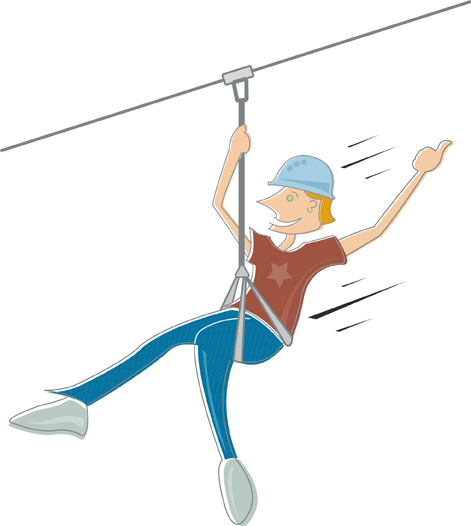
The whole time we rode the ski lift up the mountain side and I slowly climbed the tower to the zipline I kept telling myself, “I can’t do this.” Denise encouraged me all the way up and even until I jumped off the tower. I felt a rush of excitement as I sped down the mountain hooked to a cable. Through Denise I learned not to let fear stand in my way of doing things.

Instead of letting my fear of becoming a leader grow bigger and bigger until it paralyzes me, I’m going to face it. I will learn, I will ask questions, I will take it step by step and in time I will lead and be confident in contacting organizations.

Facing our fears helps us grow as a person. We grow stronger and more confident. I can’t tell you that fears will completely disappear. I still don’t like heights, but I’m more willing to tackle them. Facing your fears and pushing through them will open you up to new opportunities, new ways of thinking, and new beginnings.

Don’t let your fears cripple you from living, doing something new, from enjoying life, and from discovering yourself. Stand up to your fear and say, “You will not defeat me. I can overcome you.” Stop those little fears in their track before they grow into huge ones and leave you sick with anxiety. This is hard to do. I am still working on standing up to the little fears, but we can do it together.

Standing up to fears makes me a stronger person. Each day I take that step towards a fear I grow inside, and this helps me soar in the light of recovery.

A PRIVATE SPOT TO INJURE

     Typically, a person who self-injures does so in privacy, picking a spot where he or she feels safe from interruptions. This becomes like a sanctuary. It could be a bathroom, a bedroom, an office in the house, a sewing room, or any place where the person can be alone. A self-injurer will spend a lot of time in the place he or she chooses to harm him or herself.

     When I self-injured, I did it in my bedroom. When I lived with my grandparents, my room was upstairs and theirs was downstairs. They hardly ever went up there, so I knew I had all the privacy I needed. I told my grandparents I was spending endless hours studying in my room. I did study, but I also injured. I sat alone ripping at my flesh and feeling my soul free of pain for a little while. I even had a spot in my bedroom where I stored the tools I used to harm myself.

     My room was my hideaway from the world. No one would bother me, and no one would see what I was doing. I was ashamed of my self-injuring and I was ashamed of myself. What would people think of me? What kind of person was I? But in my room I was free of shame and I had nothing to hide. Outside of my room I wore long-sleeved shirts and told no one what I was doing. Since I was in college, my grandparents never asked why I spent so much time in my bedroom.

     Years later when I fell into the hole again and I lived with my ex-boyfriend, I hurt myself late at night in the living room. My ex-boyfriend went to bed early so I had the living room to myself. My ex was a sound sleeper, and I knew he would not wake up and see what I was doing. I’d stay up late at night hurting myself. The darkness surrounded me and the urges, desire, and need to free my inner pain took over my rational thinking.

     After my ex-boyfriend threw me out, I moved back home with my parents. All my siblings had moved away from home, and once again I hid in my bedroom. I spent many hours alone in my room hurting myself. I made excuses to my parents as to why I spent so much time up there.

     I learned in therapy that isolating myself was only giving me an excuse to injure. I needed to spend more time away from the place I felt safe and free to do such horrible things to my body. I had to walk away from my comfort zone and face the world around me. I learned that when I felt the need to escape from my inner pain, I needed to be around people and communicate with them. The more I shared with people how I felt and the more time I spent with friends and family, the easier the fight to stop injuring became.

     Take a step towards your recovery and come out of your hideaway. When you get the urge to hurt yourself, go to a friend’s house, or spend time with your family. If you feel as if you have no one to, go to then find somewhere public. Do what you can to stay away from the place you injure. Search for a therapist who has dealt with self-injury and he or she can help you walk towards the light of recovery.

     The more time I spent away from the area where I hurt myself the stronger I became at fighting my need to injure. With determination, I overcame self-injuring and I now stand within the light.

SIGNS OF MENTAL ILLNESS IN TEENS

Mental illness knows no age limit. Anyone at any age can suffer with mental illness, even kids and teenagers. As parents, family members, and caregivers of teens, it’s important to be familiar with the signs of mental illness. If we catch the symptoms early and get the teen help, it will save the child years of agony and will also prevent suicide.

When I was a teenager, mental illness wasn’t talked about much. Parents didn’t know a lot about mental illness and had no idea how to help their children. Mental illness wasn’t even discussed in schools. When I was struggling with mental illness, I didn’t know what was happening to me. My parents knew something was wrong, but they didn’t know what. I also kept my feelings to myself because I feared my parents wouldn’t understand.

Now society has brought more awareness to mental illness and it is discussed in some schools, but stigma clouds peoples’ minds. I want to make everyone aware of the symptoms of mental illness in teens so we can prevent them from suffering into adulthood. If they receive treatment as teens, they can reach recovery sooner.

Below are some of the signs of mental illness in teens:

  • Problems with concentration, memory, or ability to think clearly
  • Changes in appetite
  • Feeling sad, empty, hopeless, or worthless (I was sad, and I thought I was worthless as a teenager. I struggled with feelings of hopelessness also.)
  • Loss of interest in things that they used to enjoy (As a teen I once enjoyed going outside and spending time with family, but suddenly that joy faded and all I felt was deep sadness. I spent more time hiding in my room.)
  • Excessive worry (I worried constantly sometimes so often that it kept me up at night. I am still a worrier, but now I have coping techniques to deal with it.)
  • Irritability or restlessness (I was grumpy often as a teen. I was irritated with the simplest things.)
  • Changes in sleep (I had problems sleeping at night. I spent most of my nights either fighting to fall asleep or having nightmares.)
  • Angry outbursts (It didn’t take much to set me off into an angry outburst. I threw things, argued with my parents, and got into fights with my siblings.)
  • Not wanting to be around people or take part in activities (I spent a lot of time alone. I didn’t go to school activities, but that was mostly because I was afraid I would be bullied if I went.)

Other things to look out for:

  • Hearing or seeing things that other people don’t like hearing voices or having hallucinations
  • Extreme panic
  • Onset of new behaviors or rituals that are repeated
  • Mood swings or frequent shifts in energy (My moods changed quickly. I went from being all right to being angry and depressed.)
  • Changes in how they dress–if your child starts wearing long pants and sleeves in hot weather, or hats all of a sudden, they could be hiding signs of self-injury like cutting or hair pulling. (In my child and teenage years I punched things and pulled my hair. I never hurt myself bad enough that others would notice. In college I started cutting and hiding it with long sleeve shirts.)

These were found on Mental Health America website Know the Signs: Recognizing Mental Health Concerns in Kids and Teens | Mental Health America (mhanational.org).

Teens think parents are embarrassing and often don’t confide in them, so parents need to be extra aware of these signs that something is wrong. If you see any of these symptoms in your teens, take action by getting them mental health screening; look into therapy and a psychiatrist. Let your teen know you sense something is wrong and you’re willing to listen. Tell them if they don’t feel comfortable talking to you then it is okay for them to confide in others. Getting your teen help as soon as possible will help them reach recovery sooner instead of struggling into adulthood.

My parents would have done anything in their power to help me if they had known more about mental illness and if I would have told them what was going on with me. If I knew what mental illness was, I may have been able to communicate to my parents what was going on. So, educate your children about mental illness. Don’t believe the stigma that follows this illness. Do some research.

Get immediate help for your child if they are threatening suicide, obsessing over death, withdrawing from life, exhibiting drastic personality changes, and increasing use of alcohol or drugs. This can also be found on the Mental Health America website.

When I was in college, I hit rock bottom of my mental illness and I finally confided in my mom. She went to great lengths to get me help. If it weren’t for her, I would not be in recovery. I can’t thank my mom enough. Thanks to her I am standing in the light of recovery surrounded by her enduring love.

UP FROM THE DARK

I’ve fallen all the way down

Into the dark hole of despair

Sadness engulfs me

I can’t breathe

Thoughts race

Tormenting my mind

Hopeless as a fog

I can not see through or around

Emotions stab me like knives

I ponder death

I see no reason to go on

I dig deep down inside me

For my determination

I reach for the sides of my hole

I climb I fight I fall

And get back up

And climb some more

Through the fog I push forward

Out of the darkness I rise

Into the light of recovery I stand

STEPS TO A BETTER SLEEP

All people stop breathing while they are sleeping, but when a person stops breathing frequently during the night, that is called sleep apnea and he or she needs a CPAP machine. A CPAP machine can be difficult to get used to, and some people can’t get used to them at all. Others who get used to their machine find they get a better sleep at night and can get off sleeping medication. Some can sleep with their machine, but feel no difference in how they sleep or feel the next day.

I got my CPAP machine in August. In an earlier post I wrote about how I had to change masks because the one I had was giving me anxiety attacks. Once I found the mask that worked for me, it took a week or two to get used to sleeping with a mask over my nose and head, but once I felt comfortable with it, I noticed I was falling asleep sooner. Before my mask, with sleeping medication, it took me a half hour or longer to fall asleep. With the mask and my sleeping medication, I fell asleep within fifteen minutes. I was sleeping better, but I still felt groggy in the morning and yawned at work. I figured it was probably my sleeping medication.

A month after I got my machine, I talked to my psychiatrist on the phone. He asked questions about how I was sleeping with the CPAP. I told him I was falling asleep sooner and sleeping soundly through the night. I take medication that dissolves under your tongue. My psychiatrist had me taking a 5-milligram tablet cut in half. I had been on sleeping medication for many years. Anxiety and racing thoughts kept me up at night, and the sleeping medicine helped me relax so I could sleep, but sometimes my worrying and racing thoughts were so bad that I had a hard time sleeping with medication. Over a month’s time on my machine, I didn’t struggle with my thoughts. I just fell asleep.

My psychiatrist’s voice sounded confident over the phone. “I would like you to cut your pill into quarters. You should have four pieces to take once a day.”

I swallowed hard. Worries filled my mind. Could I sleep on less medication? What happens if I end up staying up all night and I start making mistakes at work? This can’t be a good idea. I have been on this medication for years; how could a CPAP machine help me sleep without it? I can’t go back to staying up all night begging God to let me sleep.

It was my day off. I tried to keep myself busy all day so I wouldn’t worry about the change in my medication. I did laundry and other housework. Later that night I cut my pill into quarters. I put one quarter under my tongue and crawled in bed beside my husband. I prayed to God to let me sleep. Fifteen minutes after I went to bed, I fell asleep.

For two months I slept well on a quarter of my medication. In November I had another call from my psychiatrist. I gave him a report on how I was sleeping. He then told me to break the four pieces in half so there would be eight small pieces. Then to take one a night. That amounts to a very small piece of medication. I was sure this would not work. It wasn’t enough medication to relax me. I was determined I would be up all night. There was no way a little piece of medicine could help me sleep. I’d be tossing and turning all night. That night I took my medicine and put my CPAP mask on and once again I was asleep in fifteen minutes.

During November I got a cold and had to miss work and then the cold went into a sinus infection. In December I got sick two more times and had to miss work. In the meantime, my husband went from forty hours to thirty-two and the place he works at was shut down for a week. We were behind in bills and deep in debt. We started going to the food bank and I tried to make arrangements with the bill companies. I was under a lot of stress and my anxiety was high. Normally under this kind of stress I would struggle to sleep even with my medication, but with my CPAP and a little piece of medicine I slept well.

I’ve had problems sleeping since I was a child, and throughout my adulthood, I have been on sleeping medication. To get to the point where I could sleep on just a very small amount was a miracle to me. I thought I would be on sleeping medicine for the rest of my life, but as I cut my medicine down, I began to hope that soon I would no longer need my medication. My next talk with my psychiatrist is at this end of the month. I have a feeling he will discontinue my sleeping medication. I’m excited and a little scared. The “What ifs” are filling my mind, but I’m trying to stay positive.

Not everyone has sleep apnea and needs a CPAP, but if you need one, it might change your life and sleep. A CPAP machine seems like a hassle, and you might think you could never sleep with a mask on your face, but give it a chance. It may help you take big steps in how you sleep and help you get off medication.

With my CPAP machine I sleep much better, and a good night’s sleep helps me function better during the day. With steps to a better sleep, I am standing tall in the light of recovery.