TOXIC RELATIONSHIPS AND MENTAL ILLNESS

Getting into toxic relationships can happen to anyone. Sometimes we must go through bad relationships before we find good ones. Some people are more prone to unhealthy relationships than others. Many who have mental illness fall prey to toxic people. These people see the weakness in those struggling and take advantage of that. Those who are struggling find themselves unable to fight back and only sink deeper down the hole.

When I was in high school, I had a friend with an overprotective and in some ways an abusive mother. It took a while before her mother would even let her come over to my house. The friend and I became very close. I was sinking into depression, and she seemed to understand what I was going through. Then my senior year my cousin was killed in a car accident, and I fell into the deepest part of my hole. After I graduated, I moved forty-five minutes away to my grandparents to go to college. I continued to write to my friend and visit her on weekends. The deeper I fell down the hole, the more abusive she became. She played games with my sick mind and abused me in other ways.

I didn’t have many friends growing up and those I did have either moved away or turned on me. I was confused on what a healthy friendship was, and I was too sick to decipher what was wrong or right. I held on to her tightly even though she kept hurting me and it only made me sicker. I became suicidal, I had anxiety attacks that made me sick every day, I couldn’t sleep, and I began to cut and burn myself. I had hit rock bottom. The abuse continued until she moved away to college.

Years after I graduated from college, I was set up on a date. I thought I was in love. I moved in with him and planned to marry him. At first it was great, but slowly his kindness turned to abuse. I couldn’t use certain pans because I might ruin them, my cooking was no good, I was a failure because I was unable to go on to a four-year college, and so on. The verbal abuse worsened and then came physical and sexual abuse. He told everyone how well he took care of me and how awful I was to him. He went to therapy with me and told my therapist how I abused him, and I got lectured. I couldn’t see what he was doing to me. I was falling apart. My illness continued to worsen.

After he kicked me out, I ended up in a mental health hospital. It wasn’t until I started to work towards recovery that I realized what he had done to me and that he preyed on people who were weaker. He used my mental illness to get pats on the back for taking care of me.

Later, the abuse I went through with my friend and ex-boyfriend led to PTSD. I had nightmares of what happened to me. For a long time I was uncomfortable with hugs from other women because it sent me back to the abuse I received from my friend. I struggled for years trying to understand what happened to me. I’m not sure if my friend did it because of her mother or because she saw her chance to take advantage of someone weaker. For a long time I thought it was my fault, because I let it happen. I was too sick to fight back, and I allowed myself to be abused. I had to work through that in therapy.

After my ex-boyfriend, I swore off men. I moved back home with my parents and planned to live with them for the rest of my life. How could I ever trust another man again? I lost a lot of friends because of my ex and I lost myself. I had to work on it in therapy. Even when I met my husband, I was afraid to trust him, but it became impossible to deny that I was falling in love with him.

No one deserves to be in a toxic relationship. No one deserves to be abused. If you’re in a bad relationship, walk away. Look for the signs of a bad relationship such as physical harm, verbal insults, controlling behaviors, being forced into uncomfortable situations, refusing to let you be around friends and family, and forced sex. You are important and you deserve to be treated with love, respect, and kindness.

I am now in a very healthy relationship with my husband. I have some very good friends who treat me with kindness and respect. Because I am in healthy relationships, I stand in the light of recovery with happiness in my heart.

RELEASE YOUR FEELINGS IN A JOURNAL

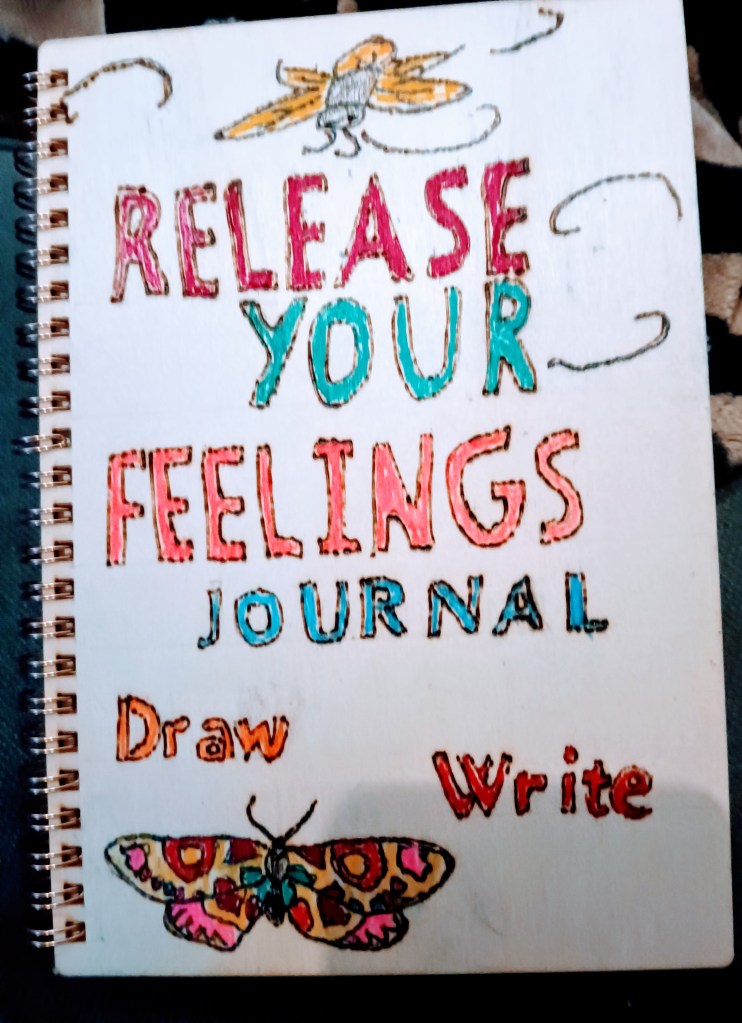
When struggling with mental illness, many are bombarded by racing thoughts, painful emotions, and an overload of feelings. Our thoughts trigger our emotions and feelings. Together they can cause physical problems such as achy shoulders, chest pain, upset stomach, and labored breathing. Often feelings become trapped within, causing anxiety, panic attacks, and unhealthy coping techniques like self-injury. A good way to release those feelings is to put them in a journal.

When I was in a mental health hospital, a friend brought me a journal and a pen. I began to journal every day. I poured out all my feelings on the pages. It felt like a weight was being lifted off my shoulders. When I got out of the hospital, I took my journal everywhere like a security blanket. I wrote in it at restaurants, on my break at work, sitting at a park, in my car, and other places.

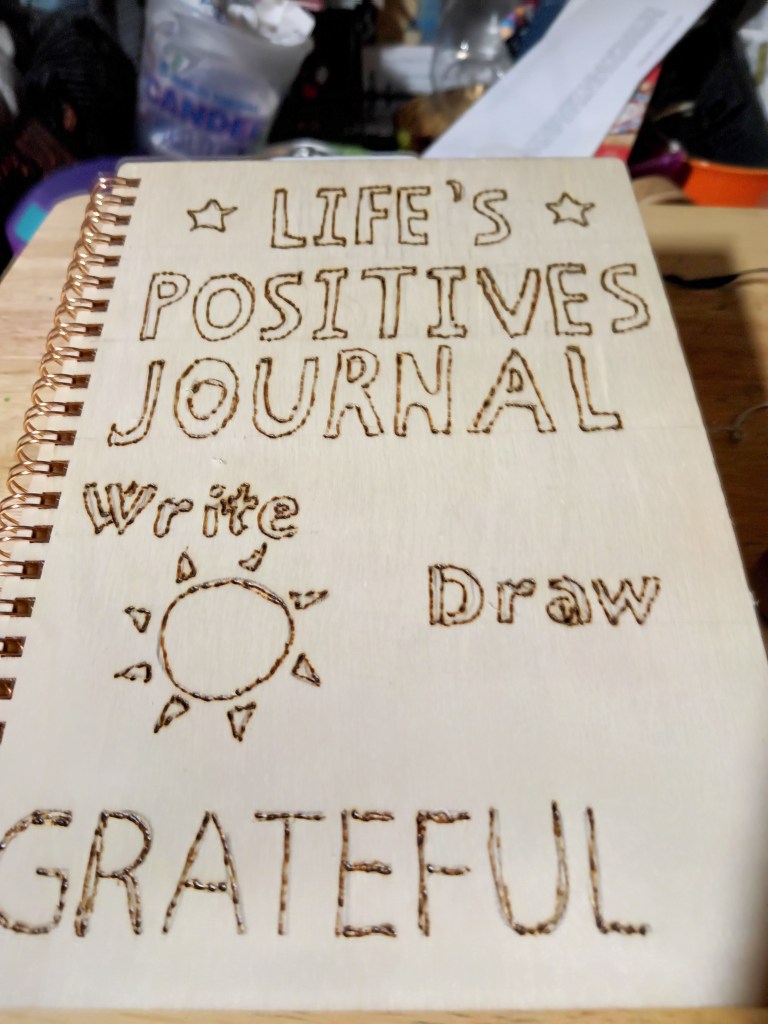
My therapist gave me assignments to write journal entries about certain things that were bothering me and then we would discuss them in our sessions. She used them to develop a plan on how to teach me coping techniques and to learn how to change my pattern of thinking. She even had me keep a separate journal to write positive things in each day. It was very hard to come up with things good about my life at that time, but I worked hard at it.

You might think, “I don’t know what to write in a journal,” “I’m not good at writing,” Or “I’d rather draw.” You can start by writing, “Today I feel..” and let your thoughts and feelings flow. You could even put an emotion down like “I am sad and that makes me feel…” You could write a letter to yourself or to someone who hurt you. The possibilities are endless.

The good thing about journals is that you don’t have to be a good writer and you don’t even have to be grammatically correct. You could even write so badly that you can’t read your own writing. Just write. No one is going to read it but you.  

If you’re not good at putting your feelings in words but you like to draw, then draw pictures that portray your feelings. Get a journal with blank pages and fill it with your artwork. Express yourself with pencils, colored pencils, markers, or whatever works best for you. If you’re feeling like your world is falling apart, then put it into your drawings in your journal. Release your feelings in the way that works best for you, whether it be writing or drawing.

As I mentioned earlier, therapy my therapist had me keep a second journal where I wrote positive things about my day. At first it was very hard to come up with good things, but in time it got easier. If you decide to keep a separate positive journal, that’s fine. You could also write out your feelings in your journal and then add five positive things at the end of each entry.

You might be so far down in the hole of your mental illness that coming up with positive things seems impossible. Start small like “I got out of bed today” or “I took a shower.” For many with mental illness it’s a struggle just to get up and moving. Some find it takes a lot of energy just to take a shower. To accomplish these things is wonderful. As you work hard towards recovery, the positives become easier to come up with.

You can become creative with your journal, you can use stickers or pictures. You can cut out inspirational sayings from a magazine or news articles and put them in your journal. I have put obituaries for people I have lost and compliments from my customers in some of my journals. It’s your journal; you can put whatever you want in it and decorate it to your liking.

Journaling isn’t for everyone. If you’ve tried journaling and found it didn’t help you or you just couldn’t keep up with it, then investigate other ways of expressing your feelings like painting, playing a musical instrument, singing, or walking. Don’t keep your feelings inside you. They only cause more harm when you let them fester and build up with no release.

For me journaling has become a healthy coping technique. I no longer carry my journal with me everywhere and I don’t journal every day, but it still gets me through rough days. When I’m going through a hard time, I sit and journal. I not only put my feelings in it, but I problem solve, I brainstorm story ideas, and so much more. That’s how I came up with these blog posts. Journals can have several purposes. So, use your journal in whatever way works best for you.

Because I release my feelings in my journals, the light of recovery fills me.

YOU CAN DO IT

When you are struggling with depression, you lose interest in everyday things and you have feelings of hopelessness and worthlessness. It becomes too easy to neglect your health and daily routines and tasks. You get stuck in a rut you can’t get out of. Even getting out of bed becomes very difficult. You feel as if you can’t move past this horrible sadness that has taken over your life.

I grew up with parents and grandparents who didn’t believe in the words, “I can’t.” Whenever my siblings or I said I can’t do something, my mom would look us in the eyes and tell us “There’s no such thing as can’t. You can do anything you put your mind to.” Her words were my inspiration and became my motto. If someone told me, I couldn’t do something I found a way to prove that person wrong. Throughout elementary they told me I couldn’t read, so I worked hard to learn how to read; they told me I couldn’t longer pass classes on my own, and in high school I passed my classes with “As” and “Bs.” My teachers said I would be on welfare when I grew up, but I graduated from college, I have worked the same job for twenty-eight years and I have written a book.

When I realized I had major depression in college, I felt like my life was doomed. I couldn’t sleep at night, I got sick every morning, I became suicidal, and I self-injured. It took all my strength to get out of bed each morning and go to my classes, yet I continued to get high grades. My life seemed like an endless cycle of hopelessness and inner agony, but I refused to fail at college. It was hard to pass my classes when I was so sick, but I could still hear those teachers from school saying, “You can’t succeed.” This drove me to study long hours to pass my classes.

For many who are struggling with depression, the simplest routine tasks like taking a shower, combing hair, eating, or getting out of bed seem impossible. It’s easy to give up and say, “I can’t do it.” The thing is if you dig deep down inside yourself, you’ll realize you can do it. You can get out of bed, you can take a shower, you can eat, and you can stand up to depression. Remember there is no such thing as, “I can’t.”

Are you lying in bed feeling too tired and depressed to get up? Then say to yourself, “I can get up,” several times. Dig deep down inside you until you get the determination to slip out of bed. Take small steps. Be proud of yourself for each step you take and shout out, “I did it!” Your illness doesn’t have to run your life. You can fight it, you can work towards getting better, and you can reach recovery.

Reaching recovery was the hardest battle I have ever fought. So many times I felt like I just couldn’t go on and I didn’t want to go on. I felt like I was doomed to a life of misery. My mom’s words, “There’s no such thing as can’t. You can do anything you put your mind to,” kept me pushing forward.

When I got home from work and the man I was living with told me he was kicking me out, I ended up in a mental health hospital. He told me he couldn’t help me because I could never get better. His words inspired me to fight harder. In a week I got out of the hospital and started on the path to recovery. I moved back home, I started going to group therapy, and I found a new therapist. Through several years I took steps towards recovery.

You might feel like reaching recovery is impossible and there is no way you can reach it, but you can. Take the first steps now. Start slowly and build your way up. Recovery doesn’t come easily so plan on fighting hard. Remember there is no such thing as can’t. “You can do anything you put your mind to.” Fight for happiness, fight for a new beginning, and fight for yourself. I believe in you. “You can do it.”

I believed I could get better, and I fought hard for it and I reached it. I stand in the light of recovery shouting, “I did it!”

ALWAYS BE YOURSELF

High school is a hard time for teens. They are at the dating age, they face peer pressure, and they work hard to fit in. If you dress differently, are too skinny or too big–boned or have any noticeable difference, you are teased and put down. Many try to change who they are to be part of the popular crowd or to fit in. Bullies are people who act aggressively towards people who are different. They pick out someone whom they determine is weak and abuse the person physically, verbally, or by cyberbullying. They prey on people who dare to be different.

My older sister was in the most current style before the others in our small-town school. She wore lots of makeup and got up early in the morning to do her hair just right. She was beautiful. I just got up in enough time to brush my hair, get dressed, and go to school. Even as a child she was a girly girl. I was always the opposite of her. I was a tomboy. I played with cars and action figures. I didn’t mind getting dirty. My older sister played with dolls and hated getting dirty. My parents loved us for the individuals we were.

I spent my childhood being bullied for having a learning disability and then in high school they found new things to put me down for. As a teen I liked tee shirts, sweatshirts, and jeans. Some of my clothes came from yard sales. I didn’t care about what was considered in style or doing the latest hair style. I hated makeup and nail polish. I was what my classmates and other teens considered an outcast. Many teens in my school picked on me about my clothes and hair. They abused me verbally for being my own person. They made me feel ugly and worthless. I wanted to fit in, but I liked my own style, which was simple.

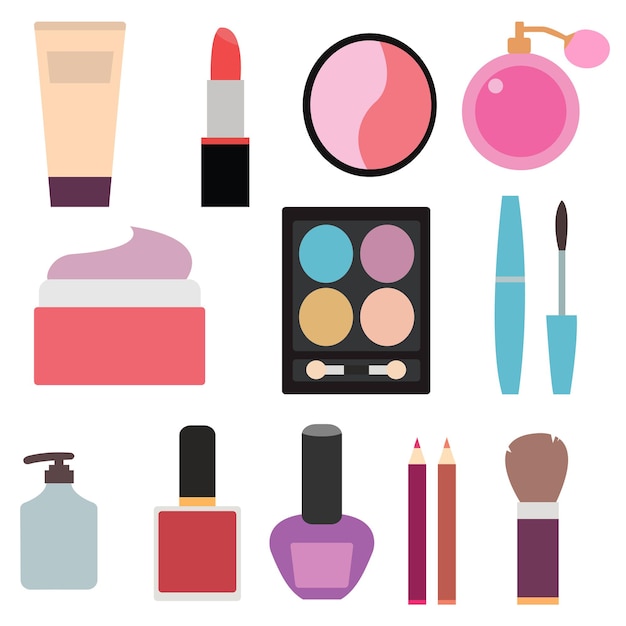
Then a couple of teachers in my special education class decided to hold a beauty day for all the girls in the class. They had a beautician and makeup artist come in and make us up. I hated every minute of it, but I was willing to give it a try so that maybe I could fit in with everyone else. The eye shadow made my eyes itch, rubbing foundation into my skin felt weird, my eyes watered, making the mascara run, and I couldn’t help but lick my lips, wiping away the lipstick. My hair was curled and styled with a curling iron, and when I looked in a mirror I felt like I was staring at a stranger.

The teachers were trying to help me without realizing they were asking me to change who I was to fit in. I went along with it, and I tried to do lipstick and eye shadow on my own. I tried different hairstyles, but it didn’t change things. I was still an outcast and I only hated myself more. I felt ugly in my new style, and I felt like I wasn’t being true to myself. This only deepened my depression and destroyed my self-worth.

Through this experience I learned to never change who you are to fit in. Be true to yourself even if your classmates and your bully use it to put you down. Trying to be someone you are not only deepens your lack of self-worth and your depression. Be the person, the unique individual, you are meant to be and the person you feel comfortable with. Don’t let anyone change who you are just so you can be accepted by others.

Many teens who dress like the popular crowd are not being themselves. They are often just following the crowd and hiding their true selves. Each one of us has different likes, dislikes, styles, and personalities. Owning our differences and daring to embrace them, even though others don’t agree, is a bold and strong step. We must be true to ourselves whether others like it or not.

As an adult I’m happy to be my own person. I rarely wear jewelry, and I don’t expect my husband to buy me any. The only jewelry I wear is my engagement ring and wedding band. I don’t put makeup on; I feel comfortable with my natural looks. Most of the time I wear tee shirts, jeans, or sweatpants. I like short hair that I can just run a brush through and be ready to go. I have a streak of pink in my hair to symbolize that I am a breast cancer survivor. This is who I am.

Being myself is what lifts my self-esteem and carries me in the light of recovery.

STEPS TO A BETTER SLEEP

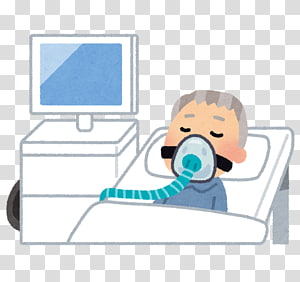
All people stop breathing while they are sleeping, but when a person stops breathing frequently during the night, that is called sleep apnea and he or she needs a CPAP machine. A CPAP machine can be difficult to get used to, and some people can’t get used to them at all. Others who get used to their machine find they get a better sleep at night and can get off sleeping medication. Some can sleep with their machine, but feel no difference in how they sleep or feel the next day.

I got my CPAP machine in August. In an earlier post I wrote about how I had to change masks because the one I had was giving me anxiety attacks. Once I found the mask that worked for me, it took a week or two to get used to sleeping with a mask over my nose and head, but once I felt comfortable with it, I noticed I was falling asleep sooner. Before my mask, with sleeping medication, it took me a half hour or longer to fall asleep. With the mask and my sleeping medication, I fell asleep within fifteen minutes. I was sleeping better, but I still felt groggy in the morning and yawned at work. I figured it was probably my sleeping medication.

A month after I got my machine, I talked to my psychiatrist on the phone. He asked questions about how I was sleeping with the CPAP. I told him I was falling asleep sooner and sleeping soundly through the night. I take medication that dissolves under your tongue. My psychiatrist had me taking a 5-milligram tablet cut in half. I had been on sleeping medication for many years. Anxiety and racing thoughts kept me up at night, and the sleeping medicine helped me relax so I could sleep, but sometimes my worrying and racing thoughts were so bad that I had a hard time sleeping with medication. Over a month’s time on my machine, I didn’t struggle with my thoughts. I just fell asleep.

My psychiatrist’s voice sounded confident over the phone. “I would like you to cut your pill into quarters. You should have four pieces to take once a day.”

I swallowed hard. Worries filled my mind. Could I sleep on less medication? What happens if I end up staying up all night and I start making mistakes at work? This can’t be a good idea. I have been on this medication for years; how could a CPAP machine help me sleep without it? I can’t go back to staying up all night begging God to let me sleep.

It was my day off. I tried to keep myself busy all day so I wouldn’t worry about the change in my medication. I did laundry and other housework. Later that night I cut my pill into quarters. I put one quarter under my tongue and crawled in bed beside my husband. I prayed to God to let me sleep. Fifteen minutes after I went to bed, I fell asleep.

For two months I slept well on a quarter of my medication. In November I had another call from my psychiatrist. I gave him a report on how I was sleeping. He then told me to break the four pieces in half so there would be eight small pieces. Then to take one a night. That amounts to a very small piece of medication. I was sure this would not work. It wasn’t enough medication to relax me. I was determined I would be up all night. There was no way a little piece of medicine could help me sleep. I’d be tossing and turning all night. That night I took my medicine and put my CPAP mask on and once again I was asleep in fifteen minutes.

During November I got a cold and had to miss work and then the cold went into a sinus infection. In December I got sick two more times and had to miss work. In the meantime, my husband went from forty hours to thirty-two and the place he works at was shut down for a week. We were behind in bills and deep in debt. We started going to the food bank and I tried to make arrangements with the bill companies. I was under a lot of stress and my anxiety was high. Normally under this kind of stress I would struggle to sleep even with my medication, but with my CPAP and a little piece of medicine I slept well.

I’ve had problems sleeping since I was a child, and throughout my adulthood, I have been on sleeping medication. To get to the point where I could sleep on just a very small amount was a miracle to me. I thought I would be on sleeping medicine for the rest of my life, but as I cut my medicine down, I began to hope that soon I would no longer need my medication. My next talk with my psychiatrist is at this end of the month. I have a feeling he will discontinue my sleeping medication. I’m excited and a little scared. The “What ifs” are filling my mind, but I’m trying to stay positive.

Not everyone has sleep apnea and needs a CPAP, but if you need one, it might change your life and sleep. A CPAP machine seems like a hassle, and you might think you could never sleep with a mask on your face, but give it a chance. It may help you take big steps in how you sleep and help you get off medication.

With my CPAP machine I sleep much better, and a good night’s sleep helps me function better during the day. With steps to a better sleep, I am standing tall in the light of recovery.

COPING TIPS FOR THE HOLIDAYS

With the holidays come stress, anxiety, and depression. For many with mental illness the holidays are a very rough time of year bringing many expectations. We are often put out of our comfort zone, we feel lonely, we expect more out of ourselves than we can do, and so on. Many with mental illness find themselves falling deeper into that hole while others are celebrating and having fun.

How do we cope with the holidays? How do we make it through Christmas without having a breakdown? The answer to these questions is to use coping techniques. Below are a few coping techniques that may help you.

Coping techniques:

  • Don’t overexert yourself. If your house isn’t sparkling clean, that’s okay. People do not come to see your home, but to see you. Do the best you can and let it be. If cooking a whole meal is too much for you, ask others to bring a dish or get one of those already cooked meals from a restaurant or store. Doing more than you are able to do can deepen your illness.
  • Do something special for a loved one you lost. Holidays are hard when you have lost a loved one. Do something special in remembrance of your loved one like light a candle, make his or her favorite dish, put a stocking up for him or her, go to a service for those who lost loved ones, and so on. Make their memory a special part of your holiday.
  • It’s okay to say no. If you are feeling overwhelmed by large crowds and your friends want you to go to a party, it’s okay to say no. Don’t punish yourself for saying no. Ask your friend to do something with just the two of you. If your family wants you to make Christmas dinner and it’s too much stress and anxiety for you to handle, it’s okay to say no.
  • Take care of yourself. If you’re feeling down because of the holidays, make it a point to get up in the morning, be sure to eat, and take a shower. Get out of bed and find something to do that is relaxing to you like a craft, adult coloring book, or crossword puzzles. If you feel overwhelmed, take a relaxing bath, or play your favorite music. Don’t forget to take your medication.
  • Don’t isolate yourself. If being alone triggers your illness and makes it worse, then find a friend or family member who can visit you or you can visit. Don’t dodge phone calls from your family and friends. Make extra therapy appointments. Try treating yourself to a movie or a Christmas show. Don’t hide in your home or room, sinking deeper and deeper down the hole. If you need to call a crisis hotline, call it.
  • Lean on your support team. Your support team should be friends and family members whom you’ve educated about your illness. They are there for you to lean on. Confide in them and listen to their advice. Don’t worry about ruining their holidays or being a burden. You chose them to help you for a reason so call, text, or visit them.
  • Keep a budget. Gifts and dinner supplies along with your normal bills are expensive. Decide on a budget for your holiday supplies and gifts and don’t go over it. It’s not how much you spend that counts; it’s the love that goes into it that’s important. It’s okay to buy cheaper gifts or to even make your own gifts. Going broke buying the best and most popular gifts and supplies isn’t wise if you can’t afford it. Adding to credit card bills, skipping household bills, and going without essentials to buy gifts only increases stress, anxiety, and depression. Keeping to a budget you can afford will help you feel better.
  • Be proud of the small steps. If you overcome your depression to get out of bed, pat yourself on the back. If you went out of the house, even if it was to put a Christmas card in the neighbor’s mailbox, be proud of yourself. If you take a shower, be proud of yourself. If you went online and bought a loved one a Christmas gift, pat yourself on the back. Small steps are important ones. Don’t shrug them off; be happy that you were able to accomplish them and celebrate them.
  • If you have no family, still celebrate. If your family lives far away or you have no, one don’t sit alone and dwell on being by yourself. Many places offer free meals and restaurants serve holiday meals; take part in those. Have your own celebration and invite a lonely neighbor or co-worker. Remember the reason for the holiday and celebrate that.

Holidays are supposed to be a joyous time of year. With commercialism we put too much into things we buy, and this can cause mental illness to worsen. Follow some of these coping techniques and talk to your therapist about other techniques to help you get through the holidays.

The holidays increase my stress and anxiety, but by practicing coping techniques I can find the joy in them. Finding the joy in the holidays helps me celebrate in God’s gifts and the light of recovery.

HOW TO BE A FRIEND TO SOMEONE WITHMENTAL ILLNESS

Friendships are valuable relationships we hold onto strongly. Good friends support us in good and bad times, and we do the same for them. When we feel alone, when we are at our lowest, or when we suffer a loss, a good friend is at our side. When we are happy, when we accomplish something, or when we start new beginnings, our friend celebrates with us.

But how can we be friends with someone who may not be able to give back, who has an illness we don’t understand, and who is negative and sad? How can we be friends with someone who has mental illness?

For many with mental illness, it’s hard to find a friend who will not run from you, use you, or judge you. Friendships are very hard to come by because many do not know how to be a friend to someone who is sick. I was lucky that when I was in the darkest, part of my hole, I had a very good friend who stuck at my side. She knew what to do without me telling her. Not so many are that lucky.

I have a few tips on how to be a good friend to someone struggling with mental illness. Here are my tips:

  • Be willing to listen. A person with mental illness is struggling with thoughts and emotions that are overpowering. He or she often needs to express what is happening inside and all he or she needs from you is for you to listen. Let your friend talk and get his or her feelings out without interruptions.
  • Educate yourself about your friend’s illness. Find out what kind of illness your friend suffers with and research it. If possible, go to a few therapy sessions with him or her. By learning as much as you can about your friend’s illness, you will know how to help him or her better and you will understand some of his or her symptoms. You will also learn what the signs are when he or she is in crisis and needs serious help.
  • Don’t lecture your friend. If your friend is sad and doesn’t know why or if your friend lies in bed all day don’t lecture him or her. He or she doesn’t need lectures for his or her action; instead your friend needs positivity and encouragement. Lectures only make him or her feel more alone and misunderstood, sending him or her deeper into his or her hole.
  • Ask your friend what he or she needs from you. Your friend may have special needs that you’re not aware of, like having someone to just sit with him or her, needing to get out of the house, or needing help with meals. If he or she doesn’t know what he or she needs, then don’t push. Simple things are helpful when a person is struggling with mental illness like a hug, a shoulder to cry on, and a warm smile.
  • Be available when your friend needs support. Part of being a good friend to someone with mental illness is becoming part of his or her support team. By doing this, you must be available for him or her to turn to when he or she is really struggling. If your friend calls you late at night crying or in the middle of the afternoon because he or she feels like giving up, be available. Of course, you can’t be available twenty-four hours a day, but be available as much as you can. Don’t avoid your friend’s calls because you don’t want to bother with him or her. If you can’t handle his or her illness, tell him or her before you commit to being a friend and a part of their support team. It may hurt him or her, but being ignored hurts even more.
  • Be understanding. Your friend might sleep a lot, may say things he or she doesn’t mean, may not be comfortable in social settings, and may not be able to give back to the friendship. Don’t get mad at him or her. Understand that this person is just trying to make it from day to day. If your friend tells you he or she is sad and doesn’t know why, understand it’s part of the illness. If your friend cancels plans or wants to leave a social event, be understanding. If the person doesn’t talk to your other friends or family and only you, be understanding that it is a symptom of his or her illness.
  • Be positive even when your friend is not. Many who struggle with mental illness can only see the worst side of life and the things around them. They need to be reminded that there are still positive things in their lives. When your friend is being negative, remind him or her of the positive things. Don’t tell him or her about negative things in your own life. He or she is unable to handle it unless in recovery.

Being a friend to someone who is struggling with mental illness is not easy, but it is worth it. Cheryl was my friend when I was at my worst, and she was there for me when I could not give back to her. She listened to me cry my eyes out at two a.m. and stayed on the phone until she got me laughing. She pulled me out of the road when I wanted to die. Now that I’m in recovery, I am strong enough to give back to her. Now we are at each other’s sides.

If you can’t handle mental illnesses or you are struggling with your own illness and problems, let your friend know. Let him or her down kindly. It may hurt him or her deeply, but you must take care of yourself. Know your own boundaries before you enter the friendship.

Cheryl and I are soul friends and sisters at heart. Because of her support when I was at my lowest, I am here today to share my story. Now she often uses these blog posts to help me when I am having a hard time. With her help I stay strong in the light of recovery.

A SUICIDE ATTEMPT OR NOT?

     There is a lot of confusion about what self-injury is and why a person injures. Some people mistake self-injury for a suicide attempt. It’s hard to understand why anyone would go to the extent of harming themselves unless the person wants to die, but harming himself has nothing to do with suicide. Self-injury is a coping technique for overwhelming emotions or a way to just feel when you become numb inside. It’s not to say that the person hasn’t struggled with thoughts of taking his or her life, but those thoughts have nothing to do with why the person is harming him or herself.

     At a former job, the manager found out I was deeply depressed, and I was hurting myself on purpose. She became convinced I was attempting to take my life. She called crisis and they showed up to my department. Not only was I embarrassed that crisis came to my workplace and all my fellow employees knew they were there for me, but I had to sit in a conference room and explain to them that I was not attempting to take my life.

     The crisis worker questioned me for a half hour. She asked me why I wanted to die. She asked if I was to go home would I try to take my life again. She wanted to know if I needed to be hospitalized. I tried to explain to her I didn’t want to die, and I was working with a therapist to stop my injuring. I told her the injuring relieved my inner pain and I was not suicidal. After a while she let me go and gave me their number in case, I became suicidal or needed to talk.

     I can’t say I never thought of taking my life while I was sick, but when I injured, my goal was to relieve the immense inner pain that burned within my body. When I thought about suicide, I was in a different frame of mind. I wanted to save my family from the pain I was causing them and I wanted to end my own pain forever. When I hurt myself, I just wanted to relieve my inner agony for just a moment or longer, not forever.

     I even left my former boss a pamphlet on self-injury, but she continued to think self-injury was an attempt at suicide. Because of people like her, I worked hard to hide my self-harming.

     It’s important for us who injure or who have recovered from self-injury to educate others about self-injury. The more we write about it and talk about it, the more educated our loved ones and others around us will become. I write this blog post to reach out to the world and tell them about mental illness and self-injury. It’s important that teachers, managers, crisis workers, doctors, parents, friends and so on one are educated about how to handle self-injury and what self-injury is.

     Step up with me and educate others about self-injury. I believe I struggled with mental illness and self-injury to share my story with all of you. Writing about it is also therapy and keeps me within the light.

YOU ARE WORTHY

When you’re in the deepest part of your hole of depression it is hard to see your own self-worth. It’s easy to lose all your self-esteem. You see yourself as useless, hopeless, and an awful person. It’s nearly impossible to find anything that is good about yourself. The truth is: you are none of the things your sick mind tells you that you are. You are so much more than your illness and the dark lenses you are looking through. You are a worthy, special person.

I know many of you need reassurance that despite the illness that tortures your mind, you are a wonderful person. Below is a list of reasons why you are worthy. Maybe this is the moment you need to read this or maybe you need a reminder to fuel your determination to fight this awful illness. Whatever your reasons are, please read on.

Reasons you are worthy:

  • You are worthy of living. Your life is valuable and even though it doesn’t seem like it You are an important part of this world. You have people who love you. They would be broken-hearted if you were to die. You can get better and make a big difference in people’s lives. You’re important.   
  • You are worthy of happiness.

You might think you’re doomed to a life of sadness, but you’re not. You can reach recovery and live a happy life. You deserve happiness and it’s up to you to strive for it. Don’t be afraid to be happy and to search for happiness.

  • You are worthy of being loved.

You might hate yourself right now and think you don’t deserve love, but you are wrong. Everyone deserves to be loved, even you. Those sad, hopeless, and miserable feelings you have are not you. It’s your illness. The person you are is a beautiful person who is kind, caring, fun and much more. That person is worthy of love.

  • You are worthy of kindness.

You don’t deserve to be called names, to be hurt physically or to be used. You are worthy of people who will care for you, give you a shoulder to lean on, spend time with you and are willing to get to know you.

  • You are worthy of respect.

You don’t deserve to be treated like you are dangerous or a loss cause.
You deserve to be admired for your strength to fight this illness and for the person you are. You are special and are worthy of others’ respect. You deserve to be admired for your strength to fight this illness and for the person you are. You are special and are worthy of others’ respect.

  • You are worthy of recovery.
    You’re not meant to spend your life stuck in deep sadness and emotional pain. You deserve to learn coping techniques, learn new ways of thinking and of finding the right medication that helps you manage your illness. Recovery means managing your illness well enough that you can function and live a happy life and you deserve that.
  • You are worthy of loving yourself.
    Right now, you might hate yourself, but you don’t deserve the self-hatred. That person you are despite your illness is a beautiful person deserving of your love. Fight to find yourself and look inside you. See yourself for the person you are, not the person your illness makes you think of yourself. Inside you is a person craving to be loved by you.

Read through this list every time you feel unworthy.

Remind yourself of how worthy you are, each time you feel like giving up.

Write theses down on index cards and put them in different spots in your home where you’ll remember to read them.

Write each thing out on a piece of paper you are worthy of, if necessary.

Do this until you believe them to be true.

I am worthy of all of these and much more. Knowing this keeps me in the light of recovery.

TIPS ON HANDLING LIFE’S CHALLENGES

Life is very unpredictable. Sickness hits us when we least expect it, and other things seem to go wrong all at once. Our car breaks down, our roof leaks, a friend walks away, or a husband gets hurt. When you’re struggling with mental illness, life’s challenges can worsen your illness. If you’re in recovery or on the road to recovery from mental illness, life’s challenges can threaten to push you down that dark hole.

If you have been following my blog, you know I have faced a lot of health problems and challenges that have tested my ability to stay in the light of recovery. If you’re new to my blog, check out some of my older posts. I developed ways to cope with life’s challenges that I faced. Below are a few tips on how to handle challenges.

  • Allow yourself time to feel. Give yourself time to get sad, cry, scream, and let out your emotions. Holding in your feelings can only send you further into that hole of darkness. Do what you need to get those feelings out even if it means spending a day in bed.
  • Pull yourself together. Don’t let yourself stay stuck in your emotional state of mind. Remind yourself of how strong you are and what it took you to get where you are, whether it would be on the road to recovery or in recovery. Wipe those tears away, get out of bed, get dressed, and remember how strong you are.
  • Focus on the positive. Even though things are tough and seem hopeless, there are positive things. Pull out a piece of paper and write down the positive things in your life like you have a home, you got up that morning, the sun is shining, and you have food. Even the smallest things can be positive. It might be hard to find good things during the hard times, but don’t give up.
  • Turn to coping techniques. What kind of coping techniques did you learn in therapy? Do you do deep breathing, or grounding techniques? Do you have a hobby, do you journal, or do you go for a walk? Whatever coping techniques work for you, use them. If you don’t know of any techniques, then research some on the internet or talk to your therapist.
  • Lean on your support system. Talk or text your friends or family members who are part of your support team. Often, they can give you good advice or guide you to a healthier path. Sometimes it’s just good to have someone listen to you.
  • Push forward. When life hits you hard, it’s easy to give up and go backwards, but remember you’re strong. Stand up tall and push forward. See the hard times as something you can find away around. Be determined that you won’t let the struggles pull you down. You can get through this, and life will get better.
  • Seek help or talk to your therapist. If you find that you can’t get through this difficult time in your life on your own, call your therapist and make an appointment. If you’re in recovery and you no longer have a therapist, find one. There is no shame in seeking help. A therapist will have lots of ways to help you through and can guide you through the challenges that face you. Don’t be afraid to ask for help.

Remember no matter how difficult things can get, you can get through it. Don’t let life’s challenges push you down that dark hole. Your road to recovery or remaining in recovery is too important to risk. Follow these tips or find your own ways to handle life’s challenges.

I have been through numerous illnesses, surgeries, and hard times and through it all I used these tips to keep me in recovery. I face life’s challenges with strength in the light of recovery.