
With many illnesses recovery occurs in a straight line. You go from illness to wellness. Your illness is gone and you feel better. Mental illness doesn’t go in a straight line. Recovery doesn’t mean you will no longer struggle again. Instead, in recovery from mental illness, you have detours, bad days, and good days. You use coping skills and you learn new ones, you make progress, and you fall.

If you have been fallowing my blog posts, you will see that I have written about struggling with illnesses, death, becoming a caregiver, surgeries, money problems, and so much more. All these things are detours in my recovery. Each one affected me emotionally and left me struggling with my depression and anxiety. Each time I felt like I was falling backwards, but I used coping skills to pull myself up. I also learned new coping skills to help me handle these. There are also days when I feel depressed and I’m not sure why. I just want to cry and lie in bed, but I must force myself to get up and keep pushing forward.
I have had to set boundaries in my life. Boundaries with friends, family, and my job. It’s important to put my recovery first. I have walked away from friends because I couldn’t handle their dramatic lifestyles or negativity. I’ve had to take breaks from friends because what they were going through became too much for me to handle. When my one friend’s brother was very sick, I did my best to be supportive but had to take a couple days break to take care of myself. I work part-time because full-time is too much for me to handle. When I’m called into work early, I have to decide whether I can handle the extra hours or not.
I use coping techniques to not only manage my illness on bad days, but to also make it through each day. My depression and anxiety don’t just disappear because I’m in recovery. Coping techniques help me manage my sickness so I can be happy. I can live a happy life if I cope with the challenges and struggles of living in society. I cope with stressors and detours of everyday life, so I don’t fall down into the hole of darkness. I have coping techniques for my anxiety, so I don’t have an attack that leaves me physically sick. I’m also learning new coping techniques.
I take my medication each day. I have to take medication in the morning, afternoon, and at night. I put my meds in pill containers with the days of the week. I have one for mornings and for bedtime. I carry a pill box with me everywhere I go so I have my afternoon medicine when I need it. If I miss an anxiety pill, I have the dry heaves and I get sick. Once in a while I do forget, but I try to keep on track.
I keep my appointments with my therapist and psychiatrist. For a while I was doing well without a therapist and I just leaned on my support team, but when my loved one was diagnosed with dementia, I knew I needed to take care of him and get help for myself. So, I started back to therapy. Part of being in recovery is knowing when to ask for help. I knew caregiving would be hard to handle mentally, so I found a therapist. I also keep my appointments every two months with my psychiatrist. This is important so that he knows how I’m doing on my medication and if I need any modifications or changes.
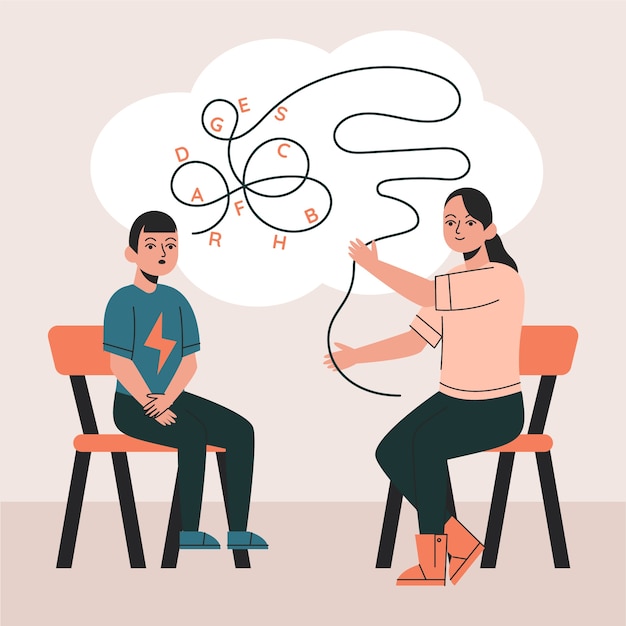
I have a support team I can lean on when I don’t see my therapist. My support team listens to me, gives me advice, and encourages me. I call my friend Cheryl my first therapist. I text her almost every day about things I’m struggling with, my worries, and my bad thoughts. A lot of her advice is the same as my therapist gives me. I also lean on my friend Nicky. She’s good at telling me about new coping techniques to try. She also has good advice.
Despite all the work you do to stay in recovery, old feelings come back, you fall, new stressors set you back, and old unhealthy coping techniques can return, but that doesn’t erase the years of progress you made. These are more of those detours in your recovery, and there are ways around them. You can pull yourself back up. You didn’t fail. It’s just part of the recovery process.
I hurt my back and have been going to a chiropractor for four weeks, and I’m not getting better. I feel sad, frustrated, scared, and hopeless. I fear I may have hurt the spot where I had surgery several years ago. Hurting, not being able to bend over, and trying to work while in pain is stirring up my depression. On top of that I struggle taking care of my loved one with dementia, and my dad’s bone cancer has come back. A lot of old feelings have resurfaced. I want to lie in bed and block out the world, but instead I use coping techniques, my support team, and therapy to keep pushing forward.
I look at this setback not as a failure, but as a lesson I can learn. I look at my feelings, my depression, and struggles and think, “What do I need to do? How can I help myself? What have I learned about myself and the detour?”
Recovery is work. There are many detours. It’s how you manage your illness, how you cope, and how you take care of yourself that gets you around them. Don’t let setbacks discourage you or make you think you failed. Push through them and ask for help when you need to. Recovery can be a bumpy road. It’s not a straight line. You move forward and make progress. Then you hit a detour and fall. Next you pull yourself up and push forward. And then you fall again to only pick yourself back up. Despite the ups and downs you’re stronger now and you can handle it.

Each day I work hard to stay in recovery. I have many detours in my life, but I always manage to pull myself up. Because I’m willing to work my way around the detours, I bathe in the light of recovery.

