WHEN LIFE KEEPS SLAPPING YOU

Sometimes it seems like life is out to get you. It keeps slapping you with one problem, heartache, or struggle after another. It’s very easy to slip into depression, especially if you’re in recovery or working towards recovery from mental illness. It can seem overwhelming and hopeless. You wonder when will things get better.

Lately it seems like life keeps handing me with one problem and heartache after another. First Esther, our dog, had a lump removed from her leg, and I had to nurse her to recovery. Next the lump’s biopsy came back as cancer, and she got a bad infection that ate through her flesh to the bone. Then finally we had to send her over the rainbow bridge. It’s a heartache my husband and I are still dealing with. But it doesn’t end there.

We took a much-needed vacation to Johnstown where my husband grew up. Before we left the “check engine” sign came on in our SUV. We had it checked and it was the catalytic converter. My dad told me to get stuff to put in the gas to clean it out. It worked. We thought we were in the clear. We drove to many places on our trip and had a wonderful time. Then on the last day we found out my dad’s bone cancer came back and when we got home the check engine light came back on.

My dad does a lot for us. He fixed our furnace, put windows in our home, repaired my cars, put faucets in our sinks, with a friend he replaced the roof on our garage, and much more. He has always come to our rescue, especially now that my husband is sick. He is always supportive and encouraging. I can’t imagine life without him.

The cancer centers in Erie and Cleveland are moving fast to treat my dad. They are worried that the cancer spread, so he got a pet scan. July 7 they are drilling a hole in his spine to do a biopsy. July 8 he’s going to Cleveland Clinic for ten days to get a series of new shots that will make his immune system fight the cancer. We don’t know what side effects he’ll have from the shots.

Fourteen months ago, my dad had a procedure done that was supposed to put him into remission for five years. The procedure involved a very high dose of chemo which has caused him lasting side effects. I can’t imagine him going through even more.

On top of that my dad won’t be able to fix our car, and the repairs and even the cost of the catalytic converter are very expensive. They are beyond what we can afford. We are living paycheck to paycheck. We can’t finance a newer car either, but we can’t keep putting money into the one we have. So, we are searching the internet and car dealerships for an older car with low mileage. My dad told me what mileage to look for.

My husband and I continue to grieve the loss of Esther and adjust to life without her while worrying about my dad. On top of that I am stressed about finding a car we can afford. I already have taken on a lot of responsibilities while my husband is sick, and now I have more. How do I cope with all this? It’s a lot to deal with. The thing that keeps crossing my mind is I can’t lose my dad. I already lost my baby girl, Esther; I can’t lose anyone else.

My therapist tells me to allow myself to cry and to take care of myself; self-care is very important. She says to do things for me. Since my husband got sick, my life has mostly been revolved around taking care of him. Now my dad is sick, I’m focused on how I can help my parents out.

I have been sneaking off to our bedroom to watch TV alone while my husband watches TV downstairs just so I can relax and be free for a little while. After Esther passed, I had lunch with a friend. It was nice to talk and laugh with a friend instead of crying over our loss. Going on a trip was a way to have fun and get us out of the house that seems empty now. I’m writing this blog post and it helps me express myself. My husband and I are going to game night on Tuesday at a friend’s house. This will help keep my mind off everything going on.

I’m doing different things to take care of myself. I’m making sure I take my medication and keep my therapy and psychiatrist appointments. I’m journaling and leaning on my support system. I allow myself to cry. I try to find the positive in my life. I rest when I need to. I practice relaxation techniques like deep breathing and grounding techniques.

I’m taking each day one at a time and leaning on God to get me through this rough time in my life. I feel like life will not stop slapping me with problems, but I remind myself that things will get better.

By practicing self-care I am holding on tight to the light of recovery.

FIRST THERAPY APPOINTMENT

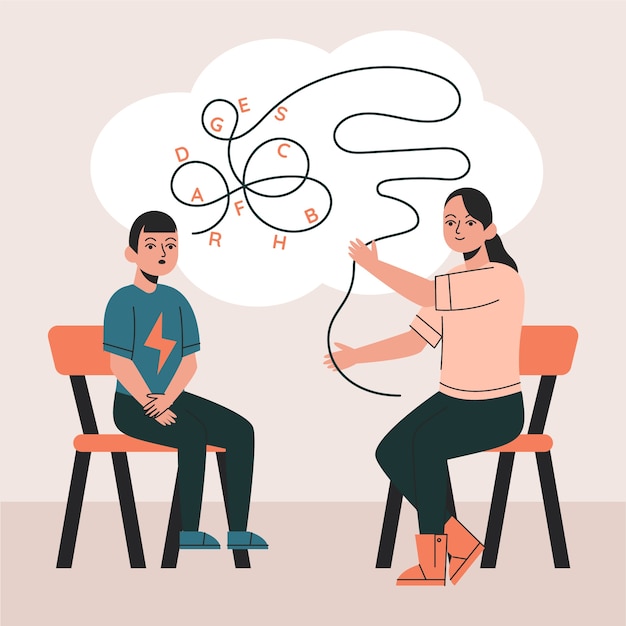
Going to your first therapy appointment can be scary and it can make you very nervous. You may wonder if you’re taking the right step, if you will like your therapist, if the therapist any good, or what happens in therapy? Going to a counselor for the first time isn’t easy, and it doesn’t get any easier even when you return to therapy while in recovery. It’s a huge step forward.

Therapy is sitting down with a total stranger to ask for help. Your therapist must make you feel comfortable, gain your trust, and find ways to treat you. You must learn to trust your counselor and find the strength to bare your soul to him or her. Once you feel comfortable with your therapist and he or she gains your trust, you have to tell them everything, even your deepest secrets. If you don’t, he or she can’t help you.

Through the years I have had several therapists. My first therapist told me I was injuring myself to hurt others, and I came home from therapy in tears. I once had a therapist who told me to think happy thoughts and I would feel better. I had another therapist who was very nice but talked a lot about herself. Those were bad therapists, but not all therapists are bad. If you feel uncomfortable with your therapist, or if he or she gives you bad advice or makes you feel worse, then look for another one. Don’t give up.

My favorite therapist was Linda. I came to her after my ex-boyfriend threw me out and I was hospitalized. My whole world seemed to have collapsed before me. I had nothing to hold onto. I was injuring, suicidal, and very depressed. At my first appointment with Linda, she introduced herself and brought me to her office. From the moment I entered her office I felt comfortable. She asked me questions about my illness, about my life, and about my family. I told her about my ex, my loss of friends, my feelings, and a little bit about me with tear filled eyes. Linda had a special way that made it easy to talk to her. It didn’t take long for me to trust her. She incorporated my ability to write into my therapy, she gave me homework, she listened caringly, and she helped me reach recovery.

Last Thursday I returned to therapy after several years without. I should have been a pro at it after years of therapy, but I was still nervous. I desperately wished I could see Linda again, but she changed job sites. I started new with a stranger. Before my appointment, my stomach twisted and my nerves were on edge. Questions filled my head: Will she be good? Can I trust her? Will I feel comfortable with her?

When I got to her office, I filled out some paperwork, and then she took me back to a room. Once we sat down, she asked me to tell her about myself. I told her about my mental health history, about my husband, and about my writing. I even told her about working for One Life Project. She asked me about the people in my life like family and friends. I found out she was recovering from breast cancer, and I told her about my journey with cancer. She said, “We were sisters.” I also found out she was a dog lover like me, and her dogs often come to the office with her.

I felt comfortable with her right away. Talking to her came easily. The hour went by quickly. When she asked if I wanted to come back, I agreed. She told me to think about what I would like to work on with her, and at the next appointment she’ll come up with a treatment plan. I had nothing to be nervous about.

Going to therapy this time is different. I’m not going because I’m very sick. I’m going to make sure I stay in recovery while dealing with my husband’s illness and to find coping techniques. I’ve come a long way since the first time I started therapy way back when I was in college, but staring therapy again was still a bit scary. It’s not easy to start over again with a stranger, but I’m doing it.

Therapy may be scary and nerve wracking but it’s worth it. Asking for help and getting it is the first step towards recovery. You may feel comfortable with your therapist right away or it may take time. Then there’s the chance you don’t feel comfortable with your counselor at all. Don’t give up on therapy. If you don’t like your therapist, keep searching until you find the one that you feel comfortable with.

Because I went back to therapy I am working on keeping myself from slipping down that hole again, and this helps me hold onto the light of recovery.

WHY I CAN’T CONTINUE TO WRITE MY NEXT MEMOIR

Life has been especially hard recently. There have been boulders thrown in my way, and I have had to find a way to climb over them or fall down the hole again. Throughout my life there have been a lot of boulders thrown in my path: boulders I had to climb over and ones that left me falling into that dark hole of depression. It took time to climb out of the hole of depression and lots of hard work. I don’t ever want to fall in again. To prevent falling, I must take care of myself daily and especially in hard times.

Since my husband was diagnosed with his illness, I have been unable to work on my next memoir. I can write my blog posts and speeches, but I can’t write my new memoir. My followers and fans keep asking when I will have the next book done, and all I can say is I have to take care of personal business right now. I wanted to get this memoir done in less than four years. My goal was two years, but now I don’t know when I can start writing again.

My husband is independent for the most part, but he needs help with some things. His biggest problem is trying to accept his illness and adjust to his new lifestyle. He lost his driver’s license and his ability to work. He is stuck at home while I am at work. I go out of my way to help him and make things better for him. I assist him with the things he has a hard time with, I take him for rides after I get out of work, and I try to plan things to do on our days off that will get him out of the house. I know eventually he will get worse, and things will get harder, and that scares me, makes me sad, and angry and I feel lost.

A lot of emotions are running through me. I joined an online support group for his illness, but reading the posts scares me even more. I’m trying to wrap my mind around his illness. Everyone tells me I must prepare myself for what is to come, but I don’t know how. I don’t want to think of my husband getting that bad. He’s the love of my life and it’s unfair that he must go through this.

When I go to write my next memoir, the emotions I’m feeling now are mixed up with the past. To write my new memoir I have to relive painful memories. To do that I have to be emotionally strong enough to handle it. Right now, I don’t feel strong enough to add another layer of pain and emotions onto the ones I’m dealing with. I’m not strong enough for two layers of emotions and pain. I can’t work through the past when I’m struggling with the present.

I start seeing a therapist on the July 30. I get four free sessions through my job before my insurance takes over. The cost of co-pays and my deductible will determine how long I can afford to continue with therapy. If anything, I’m hoping the therapist will teach me a few coping techniques that will guide me through handling my husband’s illness. If I can’t afford to continue with therapy with her, I’m hoping she can suggest other alternatives.

I’m also trying coping techniques I’ve already learned to help me deal with what is happening. I need to find a way to get through my emotions so I can write in my memoir again. I’m journaling, I’m leaning on my support team, and I’m practicing self-care.

Taking these steps to deal with my emotions and working towards being able to write in my memoir again helps me stay in the light of recovery.

KNOWING WHEN YOU NEED HELP

Recovery from mental illness happens when you learn to handle your illness with coping techniques and medicine. This doesn’t mean you will never struggle again and that you’re cured. There is no cure to mental illness. There will be times when things get hard and you feel like you need extra help. You might stumble towards that hole again, and an extra hand will help you stay in the light.

Lou and I were thrown for a loop with Lou’s illness. Especially Lou. His independence was taken from him when he lost his license, and the symptoms of his illness frustrate him. Being told you can’t drive ever again has to be hard. He is stuck at home a lot while I work. With his illness comes depression. I have been trying to make things easier on him, taking him for rides after I get out of work, planning things for us to do on my days off, taking him out to lunch before I have to work late, and so on. Sometimes I feel like no matter what I do for him, it’s not enough. He’s sad and I know it, but he won’t admit it.

Everyone tells me I have to prepare myself for the future when his illness gets worse. I joined an online support group, but reading people’s posts about their family members going through the same illness is scary and upsetting to me. I don’t know how to handle things. He’s not really bad right now. He needs some help with things, but he’s independent at this point. His worst problem now is depression.

I want to be strong for him, and I want to make his life enjoyable while I still can, but in the process of doing that, I have neglected to practice self-care. I have put him first above my own well-being and this has led to some problems. I realize that I too am important, and to navigate his illness and stay in recovery I need help. I decided to return to therapy.

This wasn’t an easy decision. Going back to therapy feels like I have fallen backwards. I have gone many years without therapy, relying on my support team, coping techniques, and medication to keep me in recovery. It has worked well for me until now. I have been turning to my support team, but I feel like I need more guidance. I’m not depressed, but I am lost, scared, and frustrated. I want to prevent myself from becoming depressed again.

It’s hard to ask for help again when I have been doing well for a long time. It feels like I have failed myself somehow, but I haven’t. I haven’t fallen down the hole again, but I need to do some maintenance on my illness to assure I don’t fall. I need to learn to balance being there for my husband and taking care of myself. I need to find a way to prepare myself for the worst.

Since my husband was diagnosed with his illness, I stopped working on my next book, I’m way behind on housework, I stopped journaling regularly, and I don’t take care of myself as well as I should. I need help finding away to change this and put a healthy balance in my life. A therapist can help me work on ways of doing this and help me prepare for what is to come. I’m doing this to make sure I stay in recovery.

It’s okay to ask for help when life gets hard and when you feel like your recovery is in jeopardy. It’s alright to fall and need help to get back on your feet. It doesn’t mean you failed. Part of recovery is knowing when you need extra help and being able to seek it. It’s nothing to be ashamed of. Everyone needs help from time to time.

Sometimes life gets hard, and you may seek extra help to get through the rough times, and that’s okay. That is what therapists are there for. You need to take measures to protect your recovery, and that is part of self-care.

When you’re in recovery, you can be doing well for a very long time. You’re happy, productive, and doing well; then suddenly a large rock is thrown in your path. You try to go around the rock, but there are too many potholes, you try to climb over it, but you keep sliding down, and you have a choice to fall in the potholes or ask for help to climb over the rock. The best choice you can make to take care of yourself is to get that help.

I have a program through work which is helping me find a therapist. I’m taking each day step by step to stay in the light of recovery.