RECOVERY HAS DETOURS

With many illnesses recovery occurs in a straight line. You go from illness to wellness. Your illness is gone and you feel better. Mental illness doesn’t go in a straight line. Recovery doesn’t mean you will no longer struggle again. Instead, in recovery from mental illness, you have detours, bad days, and good days. You use coping skills and you learn new ones, you make progress, and you fall.

If you have been fallowing my blog posts, you will see that I have written about struggling with illnesses, death, becoming a caregiver, surgeries, money problems, and so much more. All these things are detours in my recovery. Each one affected me emotionally and left me struggling with my depression and anxiety. Each time I felt like I was falling backwards, but I used coping skills to pull myself up. I also learned new coping skills to help me handle these. There are also days when I feel depressed and I’m not sure why. I just want to cry and lie in bed, but I must force myself to get up and keep pushing forward.

I have had to set boundaries in my life. Boundaries with friends, family, and my job. It’s important to put my recovery first. I have walked away from friends because I couldn’t handle their dramatic lifestyles or negativity. I’ve had to take breaks from friends because what they were going through became too much for me to handle. When my one friend’s brother was very sick, I did my best to be supportive but had to take a couple days break to take care of myself. I work part-time because full-time is too much for me to handle. When I’m called into work early, I have to decide whether I can handle the extra hours or not.

I use coping techniques to not only manage my illness on bad days, but to also make it through each day. My depression and anxiety don’t just disappear because I’m in recovery. Coping techniques help me manage my sickness so I can be happy. I can live a happy life if I cope with the challenges and struggles of living in society. I cope with stressors and detours of everyday life, so I don’t fall down into the hole of darkness. I have coping techniques for my anxiety, so I don’t have an attack that leaves me physically sick. I’m also learning new coping techniques.

I take my medication each day. I have to take medication in the morning, afternoon, and at night. I put my meds in pill containers with the days of the week. I have one for mornings and for bedtime. I carry a pill box with me everywhere I go so I have my afternoon medicine when I need it. If I miss an anxiety pill, I have the dry heaves and I get sick. Once in a while I do forget, but I try to keep on track.

I keep my appointments with my therapist and psychiatrist. For a while I was doing well without a therapist and I just leaned on my support team, but when my loved one was diagnosed with dementia, I knew I needed to take care of him and get help for myself. So, I started back to therapy. Part of being in recovery is knowing when to ask for help. I knew caregiving would be hard to handle mentally, so I found a therapist. I also keep my appointments every two months with my psychiatrist. This is important so that he knows how I’m doing on my medication and if I need any modifications or changes.
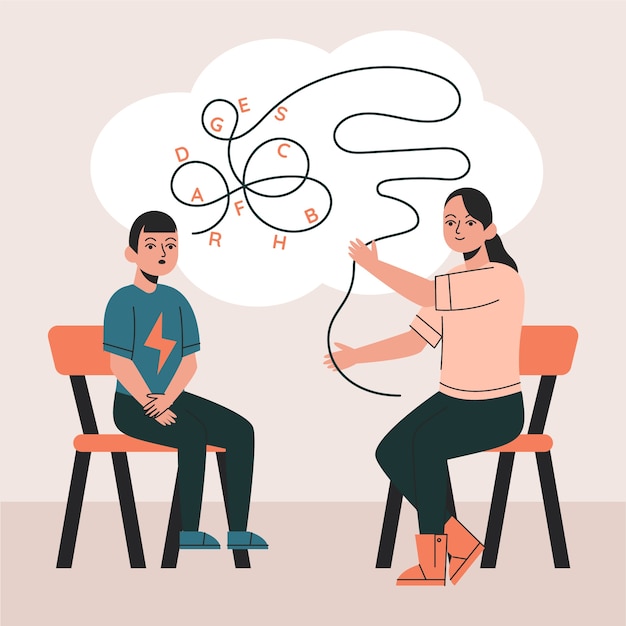
I have a support team I can lean on when I don’t see my therapist. My support team listens to me, gives me advice, and encourages me. I call my friend Cheryl my first therapist. I text her almost every day about things I’m struggling with, my worries, and my bad thoughts. A lot of her advice is the same as my therapist gives me. I also lean on my friend Nicky. She’s good at telling me about new coping techniques to try. She also has good advice.

Despite all the work you do to stay in recovery, old feelings come back, you fall, new stressors set you back, and old unhealthy coping techniques can return, but that doesn’t erase the years of progress you made. These are more of those detours in your recovery, and there are ways around them. You can pull yourself back up. You didn’t fail. It’s just part of the recovery process.

I hurt my back and have been going to a chiropractor for four weeks, and I’m not getting better. I feel sad, frustrated, scared, and hopeless. I fear I may have hurt the spot where I had surgery several years ago. Hurting, not being able to bend over, and trying to work while in pain is stirring up my depression. On top of that I struggle taking care of my loved one with dementia, and my dad’s bone cancer has come back. A lot of old feelings have resurfaced. I want to lie in bed and block out the world, but instead I use coping techniques, my support team, and therapy to keep pushing forward.

I look at this setback not as a failure, but as a lesson I can learn. I look at my feelings, my depression, and struggles and think, “What do I need to do? How can I help myself? What have I learned about myself and the detour?”

Recovery is work. There are many detours. It’s how you manage your illness, how you cope, and how you take care of yourself that gets you around them. Don’t let setbacks discourage you or make you think you failed. Push through them and ask for help when you need to. Recovery can be a bumpy road. It’s not a straight line. You move forward and make progress. Then you hit a detour and fall. Next you pull yourself up and push forward. And then you fall again to only pick yourself back up. Despite the ups and downs you’re stronger now and you can handle it.

Each day I work hard to stay in recovery. I have many detours in my life, but I always manage to pull myself up. Because I’m willing to work my way around the detours, I bathe in the light of recovery.
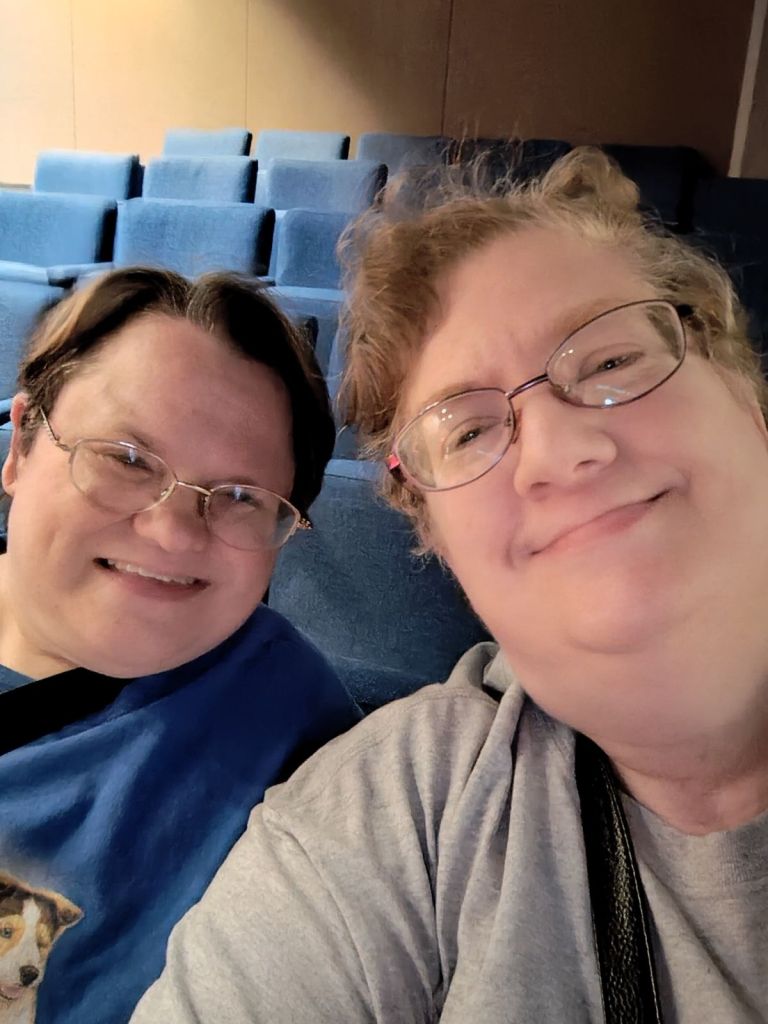
MY BEST FRIEND

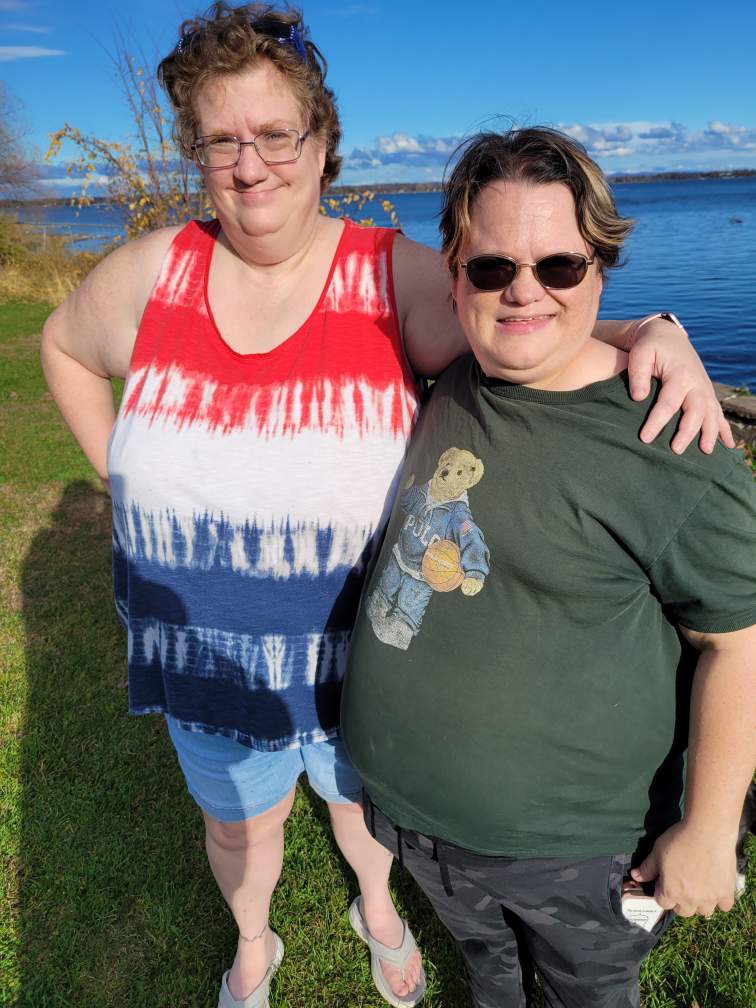
In 1999 Cheryl Miller was transferred from the west twenty-sixth street grocery store in Erie, PA to the Harborcreek store where I worked. It didn’t take long for Cheryl and I to become friends. We were able to talk easily with one another. We had a lot in common. Cheryl soon became more than a friend. She became a sister and a support person.

When I fell into depression and moved in with an abusive boyfriend, Cheryl stood at my side. When I felt depressed, suicidal, or like self-injuring, I called Cheryl. She would talk to me at all hours of the day or night. She would stay on the phone with me until two a.m. and talk to me until I was calm or started laughing. She knew what to say and do to help me. When my ex-boyfriend couldn’t handle me, he would call her. She would tell him what to do or talk to me until I felt better.

One time I drove her and her baby son home. I was feeling very depressed and was suicidal. I stopped in front of her apartment building and got out of the car. I stood in the middle of the road as a car was coming. Cheryl pulled me out of the road. She talked to me until I laughed, and my will to live came back. I often think about what would have happened if Cheryl hadn’t saved me. I would have missed out on a lot in my life.

I was so caught up in my illness that I didn’t notice the problems Cheryl struggled with in her own life, and she never tried to tell me about them. She focused on being there for me. I knew her boyfriend wasn’t good for her, but I didn’t realize how bad he was until years later. I was consumed with my illness and couldn’t be as good of a friend to her as she was to me, but she didn’t care.

When I was sad at work, she’d leave encouraging notes at my register, or she’d leave me a smiley face she drew. She just knew the right things to do and say to help me get through my rough days. She had the gift to lift my spirits from the bottom of my pit.

She moved away with her boyfriend, and we kept in touch for a while. She moved back to Erie when I started dating my husband. Things were getting harder for her with her boyfriend at the same time I was getting better. Then she moved again and we lost contact for many years. While we were separated, I got better and married my husband. When my niece set me up a Facebook account, I started searching Facebook for Cheryl and I found her. She was no longer with her boyfriend. She was with a man who treated her well.

Ever since Cheryl and I reconnected we have been inseparable. For a while we lived in separate states and texted each other constantly. Now we live in the same state and we still text constantly, we video chat with her sister and watch TV shows (we call it date night), and I have gone to her house for visits.

 Now I can support her during hard times and be the friend I couldn’t be years ago. She still knows what to say and do when I’m struggling with my illness. When I’m down, I turn to my husband and Cheryl. Cheryl and I can talk about anything. We have no filter. She understands me better than any of my other friends. I understand her too.

Cheryl often gives me the same advice as my husband does and I tease her and say she is sneaking and talking about me with him. Cheryl reads my blog posts and uses what she learns to help me. I tell her she’s not allowed to use my blog posts against me. She responds with, “Too bad.” I talk over my problems with her and my therapist. I call her “therapist number one” and my actual therapist, “therapist number two.” She calls me “little sis,” and I call her “big sis.”

I can’t imagine life without Cheryl. She has been an important part of my struggle with mental illness. She kept me alive when I wanted to die, she lifted me up when I had hit the bottom of my hole, and she helps me stay in the light of recovery. Without her I would be lost. I can’t put into words how grateful I am for her dedicated friendship. I am so happy that she didn’t walk away from me when I couldn’t be supportive to her. I’m so happy that I now can support her through rough times.

Finding a friend to support you like Cheryl has me is hard, but if you do find one, hold on to her or him tightly. Not all friends will talk to you until two a.m., but be grateful for any friend that is willing to support you through your struggles with mental illness.

Having Cheryl to turn to when times get hard helps me stand tall in the light of recovery.

HOW FAR I’VE COME

I’m sitting here trying to think of something to write for a blog post. I decided to just write. Life seems to be especially hard right now. I’m emotionally supporting my husband, my sister, and my parents when they need me. I have a lot of emotions running through me and I have not been able to work on my next book. As I go through this trying time, I look back on how far I have come, and I have come a long way.

There was a time when I was at the bottom of the dark hole of my illness that I couldn’t make a simple decision, let alone take care of myself. I couldn’t see past my own inner agony to see that others in my life had struggles of their own. I couldn’t support others. Everything was too overwhelming. My inner pain was so deep that I could barely exist.

I wasn’t a good friend, daughter, or sibling. There were times I lashed out at my parents and siblings just because I was suffering. There were times when my mom was going through something, and I got mad at her for not listening to me. I broke out into fits of rage saying awful things and throwing things.

My best friend was in an abusive relationship and struggling with her own emotions, but I was stuck in my darkness and didn’t give her the support she needed. Instead she became my lifeline, talking me down when I wanted to die or self-injure. She even pulled me out of the road when I wanted to take my life. She listened, she supported me, she saved me, and I was unable to do the same for her.

Several years later I am in recovery. She supports me and I support her. I have other friends that I give back to. I am now strong enough to be there for my parents as they grow older and my dad struggles with bone cancer. I’m helping my husband through an awful illness, and I’m helping my sister get help for an eye condition she has. At one time I could have never done all of this. If this would have happened when I was at my lowest, I would have needed to go into the hospital.

I often think of my future. If I can no longer take care of my husband or he passes, am I well enough to live alone? Would I be okay by myself? I tell my husband that when he passes I will die of a broken heart because I could never live without him. I’m beginning to think with the support of friends and family, I may be able to some day in the way future live on my own.

There is no cure for mental illness and some days I really struggle, but I get through the bad days. It’s important to take my medications, practice self-care, use coping techniques, have a support system, and know my limitations. It took years of therapy and hard work to get this far, but I’m proud of myself. I have more good days than bad days now. I’m helping others, I’m a good daughter, a good sibling, and a good friend.

If you think there is no end to your inner pain and you’ll never get better, you’re wrong. There is a light above the hole. Keep climbing and reaching for it. You have a happy future waiting for you and there is a lot you can accomplish if you keep fighting. You can reach recovery, too.

Hard work, the right medication, and determination got me to where I am now. I’m now standing in the light of recovery as a strong woman.

A LIGHT IN THE DARK

In the light of recovery

Life’s challenges send me

Into the dark.

On the edge of the hole, I teeter.

A fiery flare of emotions

Burns inside me.

Tears fall like

A torrential rainstorm.

Sadness stings me like

A frozen blast of winter air.

It’s as if I’m

Carrying a boulder alone,

My inner pain unseen.

My energy drained.

On the couch I lie,

Unable to fight.

To friends I turn;

They listen and encourage me;

Their support shines a light

Into my darkness.

I step back from the edge;

I work my way back

             To the light of recovery.