WHY I CAN’T CONTINUE TO WRITE MY NEXT MEMOIR

Life has been especially hard recently. There have been boulders thrown in my way, and I have had to find a way to climb over them or fall down the hole again. Throughout my life there have been a lot of boulders thrown in my path: boulders I had to climb over and ones that left me falling into that dark hole of depression. It took time to climb out of the hole of depression and lots of hard work. I don’t ever want to fall in again. To prevent falling, I must take care of myself daily and especially in hard times.

Since my husband was diagnosed with his illness, I have been unable to work on my next memoir. I can write my blog posts and speeches, but I can’t write my new memoir. My followers and fans keep asking when I will have the next book done, and all I can say is I have to take care of personal business right now. I wanted to get this memoir done in less than four years. My goal was two years, but now I don’t know when I can start writing again.

My husband is independent for the most part, but he needs help with some things. His biggest problem is trying to accept his illness and adjust to his new lifestyle. He lost his driver’s license and his ability to work. He is stuck at home while I am at work. I go out of my way to help him and make things better for him. I assist him with the things he has a hard time with, I take him for rides after I get out of work, and I try to plan things to do on our days off that will get him out of the house. I know eventually he will get worse, and things will get harder, and that scares me, makes me sad, and angry and I feel lost.

A lot of emotions are running through me. I joined an online support group for his illness, but reading the posts scares me even more. I’m trying to wrap my mind around his illness. Everyone tells me I must prepare myself for what is to come, but I don’t know how. I don’t want to think of my husband getting that bad. He’s the love of my life and it’s unfair that he must go through this.

When I go to write my next memoir, the emotions I’m feeling now are mixed up with the past. To write my new memoir I have to relive painful memories. To do that I have to be emotionally strong enough to handle it. Right now, I don’t feel strong enough to add another layer of pain and emotions onto the ones I’m dealing with. I’m not strong enough for two layers of emotions and pain. I can’t work through the past when I’m struggling with the present.

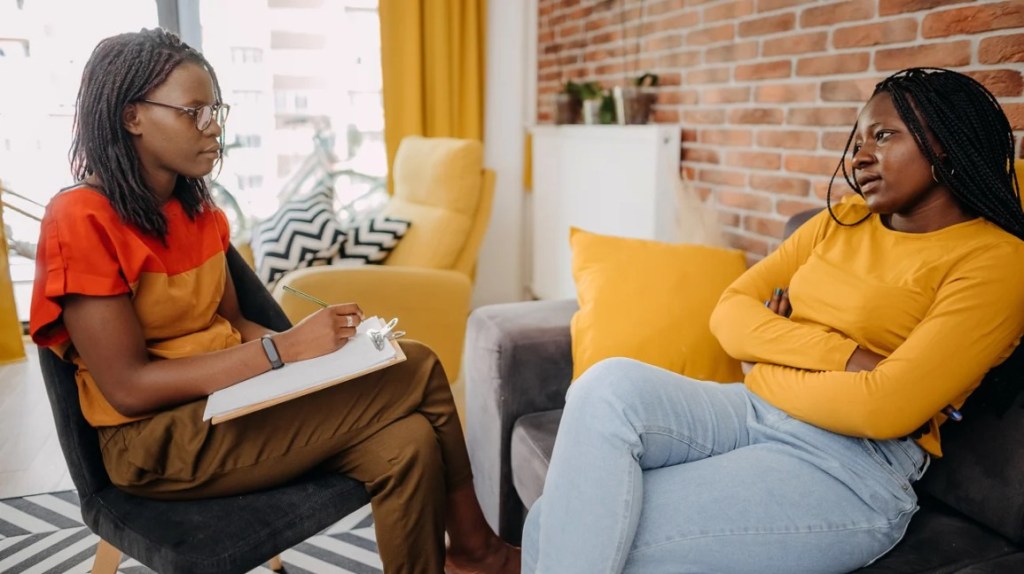
I start seeing a therapist on the July 30. I get four free sessions through my job before my insurance takes over. The cost of co-pays and my deductible will determine how long I can afford to continue with therapy. If anything, I’m hoping the therapist will teach me a few coping techniques that will guide me through handling my husband’s illness. If I can’t afford to continue with therapy with her, I’m hoping she can suggest other alternatives.

I’m also trying coping techniques I’ve already learned to help me deal with what is happening. I need to find a way to get through my emotions so I can write in my memoir again. I’m journaling, I’m leaning on my support team, and I’m practicing self-care.

Taking these steps to deal with my emotions and working towards being able to write in my memoir again helps me stay in the light of recovery.

KNOWING WHEN YOU NEED HELP

Recovery from mental illness happens when you learn to handle your illness with coping techniques and medicine. This doesn’t mean you will never struggle again and that you’re cured. There is no cure to mental illness. There will be times when things get hard and you feel like you need extra help. You might stumble towards that hole again, and an extra hand will help you stay in the light.

Lou and I were thrown for a loop with Lou’s illness. Especially Lou. His independence was taken from him when he lost his license, and the symptoms of his illness frustrate him. Being told you can’t drive ever again has to be hard. He is stuck at home a lot while I work. With his illness comes depression. I have been trying to make things easier on him, taking him for rides after I get out of work, planning things for us to do on my days off, taking him out to lunch before I have to work late, and so on. Sometimes I feel like no matter what I do for him, it’s not enough. He’s sad and I know it, but he won’t admit it.

Everyone tells me I have to prepare myself for the future when his illness gets worse. I joined an online support group, but reading people’s posts about their family members going through the same illness is scary and upsetting to me. I don’t know how to handle things. He’s not really bad right now. He needs some help with things, but he’s independent at this point. His worst problem now is depression.

I want to be strong for him, and I want to make his life enjoyable while I still can, but in the process of doing that, I have neglected to practice self-care. I have put him first above my own well-being and this has led to some problems. I realize that I too am important, and to navigate his illness and stay in recovery I need help. I decided to return to therapy.

This wasn’t an easy decision. Going back to therapy feels like I have fallen backwards. I have gone many years without therapy, relying on my support team, coping techniques, and medication to keep me in recovery. It has worked well for me until now. I have been turning to my support team, but I feel like I need more guidance. I’m not depressed, but I am lost, scared, and frustrated. I want to prevent myself from becoming depressed again.

It’s hard to ask for help again when I have been doing well for a long time. It feels like I have failed myself somehow, but I haven’t. I haven’t fallen down the hole again, but I need to do some maintenance on my illness to assure I don’t fall. I need to learn to balance being there for my husband and taking care of myself. I need to find a way to prepare myself for the worst.

Since my husband was diagnosed with his illness, I stopped working on my next book, I’m way behind on housework, I stopped journaling regularly, and I don’t take care of myself as well as I should. I need help finding away to change this and put a healthy balance in my life. A therapist can help me work on ways of doing this and help me prepare for what is to come. I’m doing this to make sure I stay in recovery.

It’s okay to ask for help when life gets hard and when you feel like your recovery is in jeopardy. It’s alright to fall and need help to get back on your feet. It doesn’t mean you failed. Part of recovery is knowing when you need extra help and being able to seek it. It’s nothing to be ashamed of. Everyone needs help from time to time.

Sometimes life gets hard, and you may seek extra help to get through the rough times, and that’s okay. That is what therapists are there for. You need to take measures to protect your recovery, and that is part of self-care.

When you’re in recovery, you can be doing well for a very long time. You’re happy, productive, and doing well; then suddenly a large rock is thrown in your path. You try to go around the rock, but there are too many potholes, you try to climb over it, but you keep sliding down, and you have a choice to fall in the potholes or ask for help to climb over the rock. The best choice you can make to take care of yourself is to get that help.

I have a program through work which is helping me find a therapist. I’m taking each day step by step to stay in the light of recovery.

SELF-INJURY AND STIGMA

Due to the news, TV shows, and society’s misinformed ideas, there is a lot of stigma surrounding mental illness. Because of this, many who are struggling do so in silence, fearing what others would think of them. The sad part is many never get the help they need and end up using unhealthy coping techniques like drugs, alcohol, and self-injury. The problem is that stigma follows the unhealthy coping techniques too.

Self-injury is plagued with stigma and myths. People do not understand what it is, and they make untrue assumptions about it. Those assumptions leave the one self-harming feeling scared and alone.

Below are some myths that lead to the stigma surrounding self-injury.

  • It’s done for attention. Many think people hurt themselves just so others will feel sorry for them and give them the attention they desire. This is completely untrue. Self-injury is an unhealthy coping technique, a sign someone is struggling, and a silent call for help. It is often hidden so as not to bring attention to oneself.
  • It’s a suicide attempt. Self-injurers are not hurting themselves as a means to take their lives. It’s not a failed attempt at suicide. They are doing it to control powerful emotions, to feel something, or to punish themselves.
  • It’s done to hurt others. The only person the self-harmer wants to hurt is himself or herself. They have no intention to hurt anyone else. They usually hide their injuries under long sleeves or do it on parts of their bodies where no one can see it. If he or she shows his or her injuries, the person is telling you he or she is really struggling and needs help.
  • The injurer likes pain. Just because the person harms him or herself does not mean he or she likes pain. Many do not like pain at all, but they don’t know any other way to deal with their illness. The injury is a temporary relief and often the harmer feels guilty, ashamed, and sad afterwards. If a self-harmer gets an unintentional injury and needs stitches, he or she still needs to be numb. They don’t willingly want that kind of pain.
  • It’s caused by past abuse. It’s not done because a person was abused in the past. People who have never been abused self-injure. Anyone with a mental illness may turn to self-harm as an unhealthy coping technique or as a cry for help.
  • The self-injurer is crazy. People who harm themselves are not crazy. People with mental illness are often referred to as crazy when they are not. The dictionary defines crazy as mentally deranged, especially as manifested in a wild, aggressive way. People who injure and have a mental illness do not fit this description. They are struggling with an illness like any other illness, except it’s of the mind. They are in no way deranged.
  • Ignore self-injurers and they will stop. They may stop eventually with the right help, but you should never ignore them. The self-harmer is crying out for help and is silently struggling with something awful. Acknowledge that the person is struggling and help him or her find someone that can help the person. By ignoring them, you are telling them you don’t care, and this leads to more isolation and pain. Be supportive.

The best thing you can do for a friend or family member who is struggling with mental illness and self-harming is to educate yourself, be supportive, encourage him or her to find help, and be willing to help them get help. Don’t believe stigma or myths. Look for the truth. Knowing the facts can save a person from struggling alone.

The more we know about self-harming and the more strugglers tell their stories, the better we can fight stigma. We need to open doors so we can talk about this illness without judgment. Then maybe more strugglers will get the help they need.

It took me a while to ask for help with my self-injuring. I didn’t understand it and I didn’t know how to ask for help. When I finally asked for help, I found it and have not injured in twenty-three years. I stand in the light of recovery with healthy coping techniques.

COPING TECHNIQUES FOR THOSE WHO SELF-HARM

Recently I was asked to write a keynote speech for One Life Project’s online conference in August. When Alex Kavarovic asked me to write it, the subject of the speech came to me instantly: self-harm. Self-injuring happens frequently among teens and college students, and it’s a bad coping technique that is very hard to change. To stop injuring oneself, a struggler must find new and healthy coping techniques.

I was once a self-injurer. I had a lot of painful emotions inside me, and the only way I knew how to release them was to hurt myself. It wasn’t until I found the right therapist that I learned healthier ways to cope with my emotions. It was a challenge to give up self-injury; I was addicted to it as if it were a drug, but with new coping techniques I soon found I no longer needed it.

Below are some coping techniques to replace self-harming.

  • Express your feelings in a creative way. Find some way that you can release your feelings using different kinds of art like drawing, journaling, or dancing.
  • Keep a self-harm journal. In a self-harm journal write how you are feeling before you hurt yourself. List your emotions. Then after you injure write how you are feeling once the rush of the injury has gone away. Do you feel shame, anger at yourself, more depressed, or anxious? Look at your entry and ask yourself, “Was hurting myself worth it?” Then list healthy coping techniques you can try next time.
  • Change negative thoughts into positive ones. If you think, “I am a worthless person who ruins everyone’s lives,” change that to “I’m a good person who is important to many people.” You can take a piece of paper and fold it in half and put negative thoughts at the top of one side and on the other side write positive thoughts.
  • Talk to someone you trust. It’s important to build a supportive system of friends and family you can talk to when you feel the need to injure yourself. It’s very helpful to talk out your feelings and have someone help you find different ways to cope.
  • Go for a walk or do exercises. Walking and exercising are very good for your mental health. They give you something physical to do to release your pain. Ride a bike, do jumping jacks, lift weights, go for a run, and so on. When you walk, go briskly. Work out those emotions with each exercise or step.
  • Set a goal to stop injuring. Set a small goal at first, like going one week without harming yourself. When you make it to that one week, celebrate by having dinner with friends, treating yourself to something special, or buying a cake. After completing a week keep adding to your goal, two weeks, a month, or a year. Celebrate each time you reach your goal. In time you will go years without hurting yourself.
  • Write affirmations. Write positive things about yourself and your life. Put positive things about yourself on notecards, and put them where you’ll see and read them each day. Start a journal just for affirmations.
  • Seek help. Therapists can teach you different ways to cope with self-injury, give you someone to talk with, and guide you in putting an end to self-harm. It may be hard to find a good therapist who makes you feel comfortable. Don’t give up. Make sure you ask your therapist if he or she has experience helping others who self-injure.

Learning healthy coping techniques will help you overcome self-harm. You can break away from the shame, silent struggle, hiding your wounds, and the endless cycle of agony. Try these coping techniques. Practice them regularly until you no longer need to hurt yourself. You can reach recovery.

Because I practice these techniques and incorporate them in my life, I have gone 23 years without self-harm. I stand in the light of recovery with pride.

HOW FAR I’VE COME

I’m sitting here trying to think of something to write for a blog post. I decided to just write. Life seems to be especially hard right now. I’m emotionally supporting my husband, my sister, and my parents when they need me. I have a lot of emotions running through me and I have not been able to work on my next book. As I go through this trying time, I look back on how far I have come, and I have come a long way.

There was a time when I was at the bottom of the dark hole of my illness that I couldn’t make a simple decision, let alone take care of myself. I couldn’t see past my own inner agony to see that others in my life had struggles of their own. I couldn’t support others. Everything was too overwhelming. My inner pain was so deep that I could barely exist.

I wasn’t a good friend, daughter, or sibling. There were times I lashed out at my parents and siblings just because I was suffering. There were times when my mom was going through something, and I got mad at her for not listening to me. I broke out into fits of rage saying awful things and throwing things.

My best friend was in an abusive relationship and struggling with her own emotions, but I was stuck in my darkness and didn’t give her the support she needed. Instead she became my lifeline, talking me down when I wanted to die or self-injure. She even pulled me out of the road when I wanted to take my life. She listened, she supported me, she saved me, and I was unable to do the same for her.

Several years later I am in recovery. She supports me and I support her. I have other friends that I give back to. I am now strong enough to be there for my parents as they grow older and my dad struggles with bone cancer. I’m helping my husband through an awful illness, and I’m helping my sister get help for an eye condition she has. At one time I could have never done all of this. If this would have happened when I was at my lowest, I would have needed to go into the hospital.

I often think of my future. If I can no longer take care of my husband or he passes, am I well enough to live alone? Would I be okay by myself? I tell my husband that when he passes I will die of a broken heart because I could never live without him. I’m beginning to think with the support of friends and family, I may be able to some day in the way future live on my own.

There is no cure for mental illness and some days I really struggle, but I get through the bad days. It’s important to take my medications, practice self-care, use coping techniques, have a support system, and know my limitations. It took years of therapy and hard work to get this far, but I’m proud of myself. I have more good days than bad days now. I’m helping others, I’m a good daughter, a good sibling, and a good friend.

If you think there is no end to your inner pain and you’ll never get better, you’re wrong. There is a light above the hole. Keep climbing and reaching for it. You have a happy future waiting for you and there is a lot you can accomplish if you keep fighting. You can reach recovery, too.

Hard work, the right medication, and determination got me to where I am now. I’m now standing in the light of recovery as a strong woman.

EMOTIONAL SUPPORT DOGS

We have all heard of service dogs who help disabled individuals with such tasks as being the eyes for a blind person, helping a person in a wheelchair reach things, helping someone with walking, and so on. There are also emotional support dogs who help people with mental illness. These dogs must be prescribed by a mental health professional like a psychiatrist, psychologist, or a therapist. These dogs develop a special connection with people who struggle with mental illness. They give them something to focus on, they give compassion, they help ease anxiety, they give companionship, and much more.

All dogs give endless love; they give you a reason to get out of bed and they seem to know when you are sad, hurting, or sick. Dogs are very good at sensing what their human owners are feeling and what they need. Any dog of any age can be an emotional support dog. They are not technically emotional support dogs unless prescribed, but if your dog gives you the emotional support you need, then she or he is to you your emotional support dog.

Someone I know was recently prescribed an emotional support dog. This made me think of the dogs I’ve had in my life. They weren’t prescribed to me, but they gave me the emotional support I needed to deal with my depression, anxiety, and Borderline Disorder. Each dog supported me in different stages of my illnesses. They gave me the love, comfort, support, and strength to face mental illness.

My first dog came to me during one of the darkest times in my life. I was living with my abusive ex-boyfriend. He had a dog that he protected fiercely but didn’t take good care of. The dog was a pest and often flea-ridden. I couldn’t stand the dog. When my boyfriend brought home another dog named Daisy, who had been sprayed by a skunk, I was mad. She was a dachshund whom the neighbors found wandering the neighborhood. She was determined to be my dog. She nudged my hand with her nose until I pet her, she followed me around the house, and slept beside me.

My need for Daisy’s comfort grew the more abusive my boyfriend became, and the sicker I got. When I lay in bed with no willpower, she nudged me with her nose until I got up. She gave me endless love and snuggled in my arms when I cried. She was determined to show my boyfriend she hated him by pooping under his desk, ripping things of his apart, and even nipping at him. When I was hospitalized, she wouldn’t eat and that gave me a reason to get better so I could come home to her.

After Daisy passed on it took me a while before I was ready for another fur baby. When I was ready, my parents told me if I picked out a dog, they would help me with the costs for adoption. I found a picture of a rat terrier named Brandi online. My mom took me to see her, and I just knew she had to be mine. Brandi was a younger dog than Daisy and required more exercise and play time. She kept me active. She gave me a reason to go for walks, to play fetch, and to keep moving each day. She gave me extra attention when I dipped down into depression episodes. I was past the worst of my illness when I got Brandi, but I was stuck in an endless loop of depression. Brandi gave me a reason to keep fighting.

Brandi didn’t like men, but when I started dating my husband Lou, she warmed right up to him. When we got married, I had a hard time being alone when Lou was at work, and I worked later or had days off. I had difficulties adjusting to the new life I was living. Brandi gave me companionship. She made the lonely days more bearable and gave me a reason to get out of the house by giving her walks. She gave me something to focus on.

After Brandi passed my heart broke, but Lou knew how much I needed the strength, love, and support from a dog. He saw a dog on the news and recorded the section about the dog. When I came home from work, he showed me a clip about a Jack Russell named Elli. I just had this feeling she had to be mine. I had my sister-n-law take me to the animal shelter a half hour before it opened so I could make sure I was the first to adopt her. Jack Russells are known to be a high energy dog, but Elli was so mild and loving. She was much smaller than my other dogs and loved to cuddle.

I was working towards recovery when Elli came into my life, but I was struggling with obsessive worries about finances and other things. I began having anxiety attacks that made me sick. Elli’s endless love and snuggles gave me comfort. She knew when I was having a rough time and she snuggled right up to me. The feel of her soft fur beneath my hand and her warm body in my lap helped ease some of my anxiety. She gave me strength to find help for my anxiety attacks. As I went through tests to rule out other medical conditions and started on medication to help with my anxiety, I had my Elli to snuggle up with. She gave me strength, comfort, and support.

Six months after Elli died, we found Esther at an animal shelter. Once again, I saw her and knew she was the one I wanted. Not too long after I got her, I had a tendon repaired in my ankle. Each day I lay on the couch and she lay beside me. When my husband tried to get her to go outside or eat, she refused to leave me. My husband had to carry her out or feed her on the couch beside me. Since she’s been in our lives, she’s stuck at my side through breast cancer, back surgery, and carpal tunnel surgery. For each surgery she has brought me comfort with the emotional roller coasters the surgeries put me through. She snuggled up to me when I cried over the loss of my breasts. She always knows when I’m hurt, sad, sick, or just need extra attention.

If your therapist prescribes an emotional support dog, then find the right dog for you. Even if you’re not prescribed one, then find a dog of your own. Dogs are great emotional support. If you’re not a dog person, investigate another pet.

My dogs were never prescribed to me, but they were and are my emotional support dogs. Each one played an important role in helping me reach recovery. I stand in the light of recovery with Esther at my side and the memories of my Daisy, Brandi, and Elli in my heart.

MENTAL HEALTH COMES FIRST

When I started my second book a year ago, my writers group told me the second book would be easier to write, and I would finish it sooner because now I know how to write a book. What no one could have predicted was life taking me down many bumpy roads. When I think things are going smoother, a big pothole forms and I must find my way around it. Luckily, I have lots of coping skills that help me stay above the potholes.

The road of life first started getting bumpy when my husband’s job started remodeling, and my husband got laid off. It went downhill from there. The potholes and bumps started getting bigger. He returned to work and put his back out of place, missing work. Then there were other health problems. Then he lost his job of thirty-four years. After that the potholes got deeper, and the bumps grew higher. I struggled to swerve around and climb over them. Writing my book started to trail behind me.

Then my dad got pneumonia and came very close to dying. At the same time my sister struggled with her vision. My sister needed someone to assist her in getting help. I took it upon myself to get her into a retina research doctor. My husband and I travel forty-five minutes to pick her up and then back again to take her to the doctor. Sometimes she spends the night at our house, which I enjoy.

I have been working hard to assist her in getting the help she needs. Since she lives in another state than the retina doctor we have to find her the specialist and tests the retina doctor, recommends in her state, so her insurance will pay. This has been a headache. I am trying to do my best to help her but the bumps in the road keep getting higher.

My husband got an illness that gave him no choice but to retire. He can no longer drive. I’m trying to be very supportive and comforting. He has been struggling to accept his diagnosis and accept having his freedom taken away from him. I’ve been trying to help him find a hobby and I give him things he can do while I’m at work. I take him for rides after work to get him out of the house. His illness has been very tough on him and hard on me. I’m climbing the bumps and swerving around the potholes the best I can.

Even though my dad has gotten better, he’s been struggling with bone cancer and chemo. April 9 he was admitted into Cleveland Clinic for a procedure that will hopefully put him into deep remission. He came home a week ago, but he is still recovering. He is weak and has some side effects from the procedure. The doctor says he will improve each day. I’m trying not to worry too much and be supportive. The potholes dare me to fall in, but I veer around them.

All these bumps in the road caused the potholes to only get deeper. I teetered on the edge coming close to falling in. My emotions have been strong, and I record them in my journal. The problem is my writing was left back down the road, always stuck in a rut. I can pour out my thoughts in these blog posts, but I can’t go back to reliving the pain of the past to write my book.

My second memoir, like my first, involves writing about some deep emotions and about very painful times in my life. It’s very hard to write about this when I’m climbing over the bumps and working to avoid the potholes in my present life. I can’t risk falling into the holes by adding the pain of the past with the bumpy roads of the present. So, I have not been working on my book. I’ve taken it out of the rut, and I’m allowing it to sit beside the road until things get better or when I feel like I can handle working on it again. Right now, my focus is on my family and taking care of my mental health. I will finish my book, but it must be when I’m sure I can handle reliving the past. Falling down a hole of any type is not an option. I can’t go in that direction again.

Life always has bumpy roads and big potholes, but you are strong. You can make it over the bumps and around the potholes. When things get tough, remember to use your coping techniques and make sure your mental health takes priority. If you have to leave things lingering on the side of the road while you’re avoiding the potholes, that’s okay. Your mental illness must come first.

Despite everything going on in my life, I have been using coping techniques I have learned, and I think I’m doing well. I’m very proud of how well I am handling everything. Coping helps me stand above the potholes and in the light of recovery.

ONCE JUDGED, NOW SUCCESSFUL

In school I was told I’d end up relying on welfare. Teachers thought I would never succeed in school or life. Throughout elementary school I believed they were right. Then in high school I worked hard to prove them wrong and succeeded. I was proud of myself for going to a two-year college, but because of my learning disability and mental illness, I couldn’t go on to a four-year college. For years I saw myself as a failure for becoming just a cashier in a grocery store. Until now.

Seven years ago, at a one day conference sponsored by Pennwriter’s, a national writing group, I learned to post regularly on online groups that pertain to my book. I was planning my memoir at that time and started posting positive messages on a Facebook mental health group. Alex Kovarvic contacted me to write blog posts for his nonprofit The National Internet Safety and Cyberbullying Taskforce. Then I went from writing blog posts to helping with events and interviewing volunteers. Back then I felt nervous about the tasks I was given. I wasn’t very comfortable with the new steps I was taking, but I was excited when the Taskforce awarded me the Saving Lives award.

I stayed with the Taskforce as it evolved into One Life Project (OLP). I moved from being an assistant to now a leader. I have been supporting events and helping with educational workbooks. I’m a co-host for OLP’s podcast, The Lifeline, and I’m advocating for mental illness. I’m continuing to learn my role as a leader and I’m excelling at it.

April 15 Alex picked up my husband and me up at our home and drove us five hours to Albany, New York, for an online conference for OLP. We spent the night in a hotel and the next day Alex drove us to OLP’s office in Massachusetts. In the office Alex recorded me giving a twenty-minute speech. He told me I did an excellent job. Then he presented me with five awards. He took pictures of me holding each award.

I was presented with the presidential Lifetime Achievement award signed by Joe Biden. I also received a letter from the president and a coin with an eagle on it.

Presidential Lifetime Achievement award signed by Joe Biden
Lifetime Achievement coin
Letter Signed by Joe Biden

My next award was a proclamation from the mayor of Buffalo, NY, declaring February 21 “Aimee Eddy Day.”

Proclamation From Buffalo, NY’s mayor

Then I received The Guardian of Hope award from OLP.

One Life’s Guardian of Hope award

Next, I got Colors United Allyship award from New York City.

Colors United Allyship award

Finally, I was presented with the Community Health Heroes award from Massachusetts.

Community Health Heroes award

In school I dreamed of growing up and becoming successful, and now I have made that dream come true. The best award I get from doing work for OLP is helping others. I’m working to educate young people about mental illness so they can understand what this illness is and how to get help. When I was young, I didn’t know what was wrong with me or how to ask for help, so I struggled alone. I want to make sure no one else struggles like I did.

I wouldn’t be the executive president of education for OLP if Alex didn’t believe in me. He had faith in my abilities to be a leader even when I didn’t. It’s a new experience for me. I have always stayed in the background, following others and not stepping up or out. In school staying behind the scenes, not speaking, and following others were safe. If I was neither seen or heard, I could avoid some harassment. I no longer am hiding. I’m growing and becoming stronger. I’m leading a team of volunteers and even doing things I once hid from.

I’m proud of the work I am doing and how I have grown. Each award is a symbol of how I have risen up from my past and succeeded. They are also symbols of how proud I am to serve young people by educating them and advocating for them. I wish there had been a nonprofit like this when I was young. It’s important to me to help as many young people as possible.

I no longer think of myself as a failure for not attending a four-year college. The work I am doing now is very rewarding. I even love my job as a cashier. I love working with people. I touch people each day by smiling and giving them someone to talk to. You don’t need a big degree to be successful. By overcoming challenges in your life, growing as a person, and being determined you can be successful.

 I came home from our trip and hung my awards up on a wall in my home. I call it my wall of fame. Each time I look at those awards I see how much I have overcome and how far I have come. This helps me dance in the light of recovery.

SIGNS OF A HEALTHY RELATIONSHIP

For most of my childhood and into my adult years, I didn’t know what a healthy friendship was. As a child I had friends turn against me or hurt me. In my adult years I chose people I thought were good friends, only to get hurt by them. When I started dating as an adult, I got myself into bad relationships. For the longest time I didn’t know what a healthy relationship was. I found myself being hurt, taken advantage of. and abused.

It wasn’t until I started to work towards recovery from mental illness that I learned through therapy what a healthy relationship is. That’s when I started cutting unhealthy relationships from my life. I ended friendships that were toxic and started working on building healthy relationships.

Sometimes while struggling with mental illness, you feel so bad about yourself that you can’t see the signs of a toxic relationship, or you think that you deserve how you are being treated. No one deserves to be treated badly. We all deserve to be in healthy relationships. You might ask how I know what a healthy relationship is? Below is a list of signs of a healthy relationship.

  • You have good communication. A healthy relationship cannot survive without good communication. You need to be able to talk to each other about important things, feelings, and much more.
  • You lift each other up. You support each other and you give each other strength. When one of you is down, you lift the other one up and so forth. If your partner cares for you, he or she will lift you up and make you feel good about yourself.
  • You respect each other. You value each other and care about one another’s wants and needs. You treat each other with consideration, and you recognize each other’s worth. You show kindness and compassion.
  • You are there during good and bad times. In a good relationship, you are there for each other during happy times and bad times. You take care of one another when you’re sick and celebrate the good times together. A good partner will take care of you after surgery, when you have the flu, when you lose a loved one, and you will do the same for him or her.
  • You listen to each other. In a good relationship your partner is willing to listen to you when you need someone to confide in or have something important to say. Your partner wants to hear about your bad days and good days. He or she is willing to let you vent when you need to. He or she doesn’t ignore you or cut you off when you are talking. The person cares about you enough to want to hear what you have to say.
  • You take care of each other. In a good relationship your partner should take care of you as much as you take care of him or her. It’s not a one-way street. One person doesn’t do all the work in a good relationship. You care for one another’s needs.
  • You respect each other’s boundaries. Everyone has boundaries and the person you care about should respect those boundaries. If you need time alone, then your partner should respect that. If you can’t handle something emotionally and you need to step back, that should be respected.
  • You support each other. If your partner starts a new job, be supportive. Your partner should be encouraging, helpful, and available when you are emotional. He or she celebrates your success with you and helps you out when things become too much. You do the same for your partner.
  • You care for each other. Your partner should show you how much he or she cares about you and your needs doing little things to show care like hugs, compliments, saying “I love you,” and helping you without you asking.

It wasn’t until I met my husband that I learned what a good relationship is. On our first date he promised to treat me like a woman, take care of me, and respect me. This promise convinced me to go on another date with him, and after twenty years together and almost eighteen years of marriage he is keeping that promise. He showed me what a healthy relationship is supposed to be, and he is the first man who ever treated me like a beautiful woman. I also now have healthy relationships with my friends.

Use these signs of a good relationship to guide you in friendships, boyfriends or girlfriends relationships, and marriages. If your relationship doesn’t have any signs of a good relationship, consider talking to your partner to work towards fixing your relationship. Therapy helps not only marriages, but all types of relationships. Consider it. If you find your partner is unwilling to fix your relationship, then walk away if you need to.

I walked away from a friendship that became too much for me. I got well and she didn’t. Our relationship risked my mental well=being. Now years later, she’s doing better, and we are talking again. We are slowly getting to know each other and rebuilding our friendship.

I now have many healthy relationships, and this helps me bathe in the light of recovery.

FINDING NEW STRENGTH

Life’s tribulations tug

Me in different directions

Loved ones need me

I must be strong for them

In new shoes I stand

No longer the one

In need of extra support

Now the one standing tall

With new strength

Tears shed

Shoulders droop

Yet I stand tall

I do not crumble

I do not fall

I do not hide

I balance the challenges

I stand tall

With new strength

In the light

Of recovery