COPING TECHNIQUES FOR THOSE WHO SELF-HARM

Recently I was asked to write a keynote speech for One Life Project’s online conference in August. When Alex Kavarovic asked me to write it, the subject of the speech came to me instantly: self-harm. Self-injuring happens frequently among teens and college students, and it’s a bad coping technique that is very hard to change. To stop injuring oneself, a struggler must find new and healthy coping techniques.

I was once a self-injurer. I had a lot of painful emotions inside me, and the only way I knew how to release them was to hurt myself. It wasn’t until I found the right therapist that I learned healthier ways to cope with my emotions. It was a challenge to give up self-injury; I was addicted to it as if it were a drug, but with new coping techniques I soon found I no longer needed it.

Below are some coping techniques to replace self-harming.

  • Express your feelings in a creative way. Find some way that you can release your feelings using different kinds of art like drawing, journaling, or dancing.
  • Keep a self-harm journal. In a self-harm journal write how you are feeling before you hurt yourself. List your emotions. Then after you injure write how you are feeling once the rush of the injury has gone away. Do you feel shame, anger at yourself, more depressed, or anxious? Look at your entry and ask yourself, “Was hurting myself worth it?” Then list healthy coping techniques you can try next time.
  • Change negative thoughts into positive ones. If you think, “I am a worthless person who ruins everyone’s lives,” change that to “I’m a good person who is important to many people.” You can take a piece of paper and fold it in half and put negative thoughts at the top of one side and on the other side write positive thoughts.
  • Talk to someone you trust. It’s important to build a supportive system of friends and family you can talk to when you feel the need to injure yourself. It’s very helpful to talk out your feelings and have someone help you find different ways to cope.
  • Go for a walk or do exercises. Walking and exercising are very good for your mental health. They give you something physical to do to release your pain. Ride a bike, do jumping jacks, lift weights, go for a run, and so on. When you walk, go briskly. Work out those emotions with each exercise or step.
  • Set a goal to stop injuring. Set a small goal at first, like going one week without harming yourself. When you make it to that one week, celebrate by having dinner with friends, treating yourself to something special, or buying a cake. After completing a week keep adding to your goal, two weeks, a month, or a year. Celebrate each time you reach your goal. In time you will go years without hurting yourself.
  • Write affirmations. Write positive things about yourself and your life. Put positive things about yourself on notecards, and put them where you’ll see and read them each day. Start a journal just for affirmations.
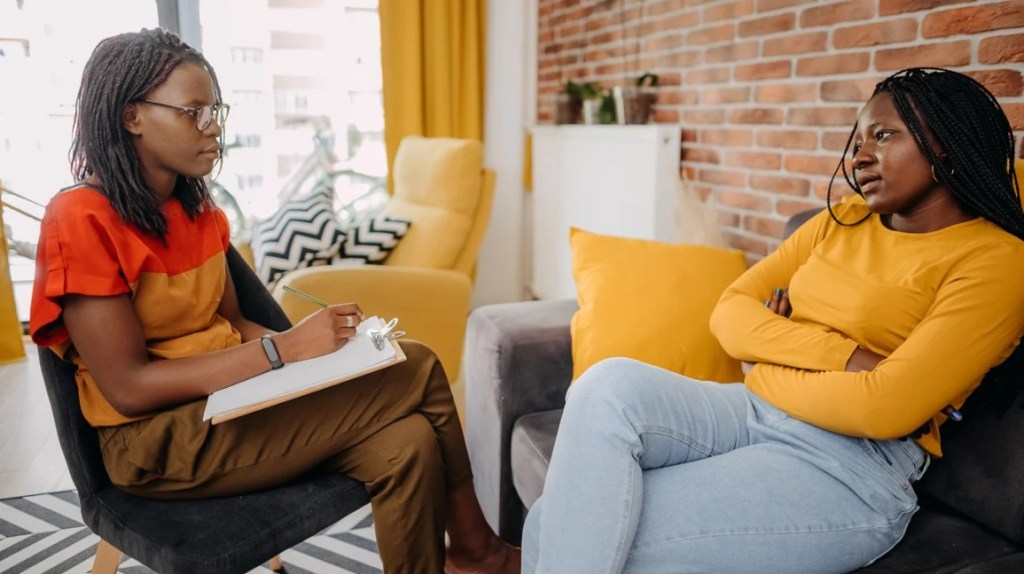
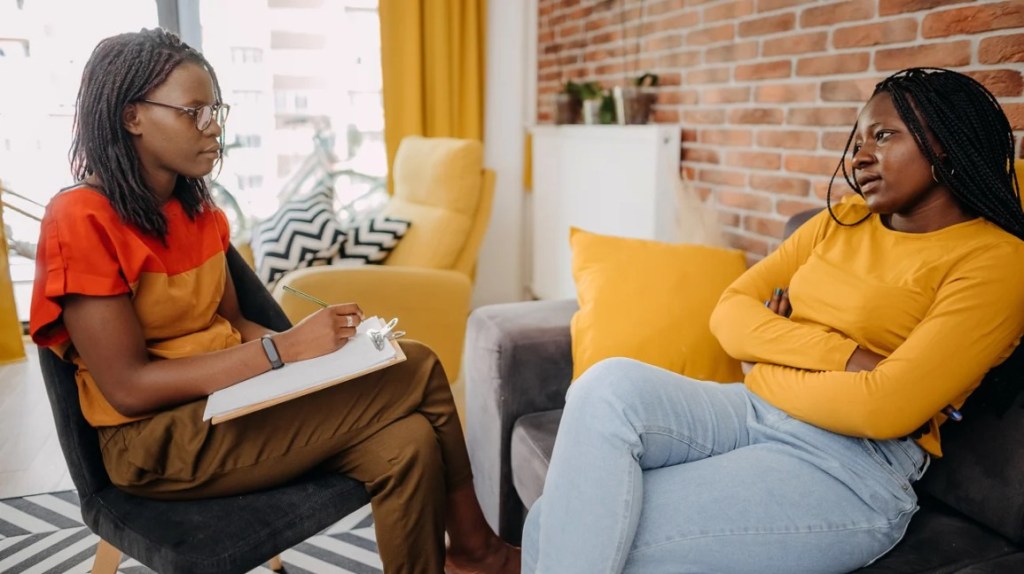
  • Seek help. Therapists can teach you different ways to cope with self-injury, give you someone to talk with, and guide you in putting an end to self-harm. It may be hard to find a good therapist who makes you feel comfortable. Don’t give up. Make sure you ask your therapist if he or she has experience helping others who self-injure.

Learning healthy coping techniques will help you overcome self-harm. You can break away from the shame, silent struggle, hiding your wounds, and the endless cycle of agony. Try these coping techniques. Practice them regularly until you no longer need to hurt yourself. You can reach recovery.

Because I practice these techniques and incorporate them in my life, I have gone 23 years without self-harm. I stand in the light of recovery with pride.

HOW FAR I’VE COME

I’m sitting here trying to think of something to write for a blog post. I decided to just write. Life seems to be especially hard right now. I’m emotionally supporting my husband, my sister, and my parents when they need me. I have a lot of emotions running through me and I have not been able to work on my next book. As I go through this trying time, I look back on how far I have come, and I have come a long way.

There was a time when I was at the bottom of the dark hole of my illness that I couldn’t make a simple decision, let alone take care of myself. I couldn’t see past my own inner agony to see that others in my life had struggles of their own. I couldn’t support others. Everything was too overwhelming. My inner pain was so deep that I could barely exist.

I wasn’t a good friend, daughter, or sibling. There were times I lashed out at my parents and siblings just because I was suffering. There were times when my mom was going through something, and I got mad at her for not listening to me. I broke out into fits of rage saying awful things and throwing things.

My best friend was in an abusive relationship and struggling with her own emotions, but I was stuck in my darkness and didn’t give her the support she needed. Instead she became my lifeline, talking me down when I wanted to die or self-injure. She even pulled me out of the road when I wanted to take my life. She listened, she supported me, she saved me, and I was unable to do the same for her.

Several years later I am in recovery. She supports me and I support her. I have other friends that I give back to. I am now strong enough to be there for my parents as they grow older and my dad struggles with bone cancer. I’m helping my husband through an awful illness, and I’m helping my sister get help for an eye condition she has. At one time I could have never done all of this. If this would have happened when I was at my lowest, I would have needed to go into the hospital.

I often think of my future. If I can no longer take care of my husband or he passes, am I well enough to live alone? Would I be okay by myself? I tell my husband that when he passes I will die of a broken heart because I could never live without him. I’m beginning to think with the support of friends and family, I may be able to some day in the way future live on my own.

There is no cure for mental illness and some days I really struggle, but I get through the bad days. It’s important to take my medications, practice self-care, use coping techniques, have a support system, and know my limitations. It took years of therapy and hard work to get this far, but I’m proud of myself. I have more good days than bad days now. I’m helping others, I’m a good daughter, a good sibling, and a good friend.

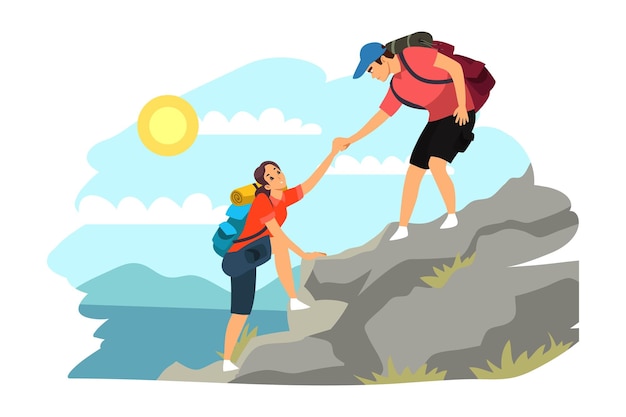
If you think there is no end to your inner pain and you’ll never get better, you’re wrong. There is a light above the hole. Keep climbing and reaching for it. You have a happy future waiting for you and there is a lot you can accomplish if you keep fighting. You can reach recovery, too.

Hard work, the right medication, and determination got me to where I am now. I’m now standing in the light of recovery as a strong woman.

MENTAL HEALTH COMES FIRST

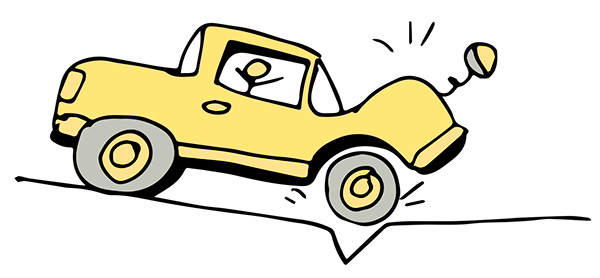
When I started my second book a year ago, my writers group told me the second book would be easier to write, and I would finish it sooner because now I know how to write a book. What no one could have predicted was life taking me down many bumpy roads. When I think things are going smoother, a big pothole forms and I must find my way around it. Luckily, I have lots of coping skills that help me stay above the potholes.

The road of life first started getting bumpy when my husband’s job started remodeling, and my husband got laid off. It went downhill from there. The potholes and bumps started getting bigger. He returned to work and put his back out of place, missing work. Then there were other health problems. Then he lost his job of thirty-four years. After that the potholes got deeper, and the bumps grew higher. I struggled to swerve around and climb over them. Writing my book started to trail behind me.

Then my dad got pneumonia and came very close to dying. At the same time my sister struggled with her vision. My sister needed someone to assist her in getting help. I took it upon myself to get her into a retina research doctor. My husband and I travel forty-five minutes to pick her up and then back again to take her to the doctor. Sometimes she spends the night at our house, which I enjoy.

I have been working hard to assist her in getting the help she needs. Since she lives in another state than the retina doctor we have to find her the specialist and tests the retina doctor, recommends in her state, so her insurance will pay. This has been a headache. I am trying to do my best to help her but the bumps in the road keep getting higher.

My husband got an illness that gave him no choice but to retire. He can no longer drive. I’m trying to be very supportive and comforting. He has been struggling to accept his diagnosis and accept having his freedom taken away from him. I’ve been trying to help him find a hobby and I give him things he can do while I’m at work. I take him for rides after work to get him out of the house. His illness has been very tough on him and hard on me. I’m climbing the bumps and swerving around the potholes the best I can.

Even though my dad has gotten better, he’s been struggling with bone cancer and chemo. April 9 he was admitted into Cleveland Clinic for a procedure that will hopefully put him into deep remission. He came home a week ago, but he is still recovering. He is weak and has some side effects from the procedure. The doctor says he will improve each day. I’m trying not to worry too much and be supportive. The potholes dare me to fall in, but I veer around them.

All these bumps in the road caused the potholes to only get deeper. I teetered on the edge coming close to falling in. My emotions have been strong, and I record them in my journal. The problem is my writing was left back down the road, always stuck in a rut. I can pour out my thoughts in these blog posts, but I can’t go back to reliving the pain of the past to write my book.

My second memoir, like my first, involves writing about some deep emotions and about very painful times in my life. It’s very hard to write about this when I’m climbing over the bumps and working to avoid the potholes in my present life. I can’t risk falling into the holes by adding the pain of the past with the bumpy roads of the present. So, I have not been working on my book. I’ve taken it out of the rut, and I’m allowing it to sit beside the road until things get better or when I feel like I can handle working on it again. Right now, my focus is on my family and taking care of my mental health. I will finish my book, but it must be when I’m sure I can handle reliving the past. Falling down a hole of any type is not an option. I can’t go in that direction again.

Life always has bumpy roads and big potholes, but you are strong. You can make it over the bumps and around the potholes. When things get tough, remember to use your coping techniques and make sure your mental health takes priority. If you have to leave things lingering on the side of the road while you’re avoiding the potholes, that’s okay. Your mental illness must come first.

Despite everything going on in my life, I have been using coping techniques I have learned, and I think I’m doing well. I’m very proud of how well I am handling everything. Coping helps me stand above the potholes and in the light of recovery.

FINDING NEW STRENGTH

Life’s tribulations tug

Me in different directions

Loved ones need me

I must be strong for them

In new shoes I stand

No longer the one

In need of extra support

Now the one standing tall

With new strength

Tears shed

Shoulders droop

Yet I stand tall

I do not crumble

I do not fall

I do not hide

I balance the challenges

I stand tall

With new strength

In the light

Of recovery

REFLECTING ON THE GOOD IN 2024

Now that 2024 is over, we can look over the past year and reflect on it. For some it was a good year, bringing success, new beginnings, and happy memories. For others it was a hard year with rough times, heart aches, and loss. When we look back at a year that we struggled through, we often forget about the positive things that happened in that year. It’s easy to dwell on the bad.

2024 was a hard year for my husband and me and for my family. It started out with my husband being partially laid off while his workplace did some remodeling. Then my dad was diagnosed with bone cancer. Next, once the remodeling was done at my husband’s workplace, was getting his hours back, but he hurt his back and had to take time off. Once his back was better, we thought everything was going to be good, but then my husband started having dizzy spells. In the process of trying to find out what was wrong, we learned he had bronchitis and a urinary tract infection. We eventually found out he had vertigo.

Then my dad was hospitalized and on a ventilator with renal and heart failure. Next, my husband’s job cut him down to two days a week and then permanently laid him off. He got another job, but after nine days they also laid him off. On top of all that, unemployment claimed he was working when he wasn’t, and they stopped his payments while they reviewed his case. Finally, I got a nasty cold and was miserable on New Years Eve and Day.

In 2024 it seemed like the world was against us. Everything was going wrong. I’ve spent hours helping my husband apply for jobs with no luck. It felt like my worst fears were happening. Everything was falling apart, and holding on to our home and paying our bills seemed impossible. I feared we would lose our home. I kept telling my husband, “I’ll live in a cardboard box as long as I’m with you.”

I also thought I was going to lose my dad and that was unbearable. I spent hours at the hospital visiting my dad, telling him to fight, and asking everyone I could think of to pray for him. My younger siblings came to town, and we bonded together to hold each other up.

It’s so easy to say that 2024 was an awful year and to overlook the good things that happened. My dad pulled through and worked hard to get back on his feet. He went back to doing home repairs, working in the grape vineyards, and flying his airplane. My dad is a walking miracle.

Also, in 2024 my great nephew, Rex, was born and he is an adorable little fellow. We visited him and his family, and I enjoyed holding the little guy.

In April my husband and I used some of our tax refunds to take a week-long trip to my best friend’s home. Cheryl had moved to the town where my husband grew up, and he enjoyed showing Cheryl and her boyfriend around. I introduced Cheryl to my good friend Terri, and the three of us had a fun lunch together. My husband and I had lunch with some of his family, and we had dinner with his sister and her family. We enjoyed our trip.

The CEO of One Life Project promoted me from Executive President’s Assistant to Executive President of Educational Outreach and Advocacy. I have been learning to move out of the background to become a leader. With One Life my husband and I traveled to Harrisburg and Hershey for events. Through One Life I have found myself trying and learning new things, stepping out of my comfort zone.

As of 2024 I am cancer free for six years and no longer must go to the cancer center every six months. I graduated to once a year. Friends and family have helped us out in many ways during our struggles.

Lou and I have had some fun times together creating new memories. We celebrated seventeen years with a nice dinner out. Our struggles have brought us even closer and have shown me I can take care of him as well as he takes care of me.

After reflecting on last year, I can see that despite the struggles and heartaches, there were many good things. This helps put a different perspective on 2024. The year wasn’t just an awful year; it was also good. I’m hoping that in 2025 there will be more positive than negative things happening in my life. It’s starting out rough with no unemployment to pay our bills, but I believe that things can only get better.

If you had a bad 2024, look back at that year and list the positive things that happened. Then reflect on the positive and let the bad things that happened stay in the past. Look at 2025 with hopes for a happy, healthy, and successful year. Things can always get better and there is always good despite the bad times. This might be the year you reach recovery and start a new beginning.

Despite the rough start to the new year, I believe it will get better. God has a plan to provide for us and because I believe this, I stand in the light being held by God’s mighty hands.

Happy New Year.

A LIGHT IN THE DARK

In the light of recovery

Life’s challenges send me

Into the dark.

On the edge of the hole, I teeter.

A fiery flare of emotions

Burns inside me.

Tears fall like

A torrential rainstorm.

Sadness stings me like

A frozen blast of winter air.

It’s as if I’m

Carrying a boulder alone,

My inner pain unseen.

My energy drained.

On the couch I lie,

Unable to fight.

To friends I turn;

They listen and encourage me;

Their support shines a light

Into my darkness.

I step back from the edge;

I work my way back

             To the light of recovery.

THE JOURNEY TO RECOVERY

After spending six days on a ventilator and spending what seemed like forever in ICU, my dad continues his  long journey to recovery. After ICU he spent a couple days in a regular room before transferring to rehab. While in a regular room, a man from rehab came to talk to my dad about the next steps. My dad told the man he would do whatever it takes to get better. Dad is a determined man.

They moved him to a different part of the hospital for rehab. We had to follow a purple line to an elevator and take it to the second floor. We had to walk through a maze of hallways to find his room. At first my husband and I got confused and had to ask for help. When we finally reached Dad, instead of lying in a bed in a hospital gown, he sat in a chair wearing a shirt and shorts. His legs, ankles, and feet were swollen from fluid buildup. The beautiful part was there was no more IVs stuck in his arms, machines going off, and a tube going out of his mouth. He looked run down and weak, yet more like himself.

The sadness, the crying spells, and emotional exhaustion I felt while he was in the ICU were gone. In their place were hope and gratefulness. God gave my dad a second chance, he gave my family more time with him, and my heart was overflowing with thankfulness. Just hearing his voice was and is magical.

Each time I visited, my dad looked stronger and more determined. We sat in his room almost every day and talked about what he did in therapy. Physical therapy happened two times a day. When he arrived in rehab, he was too weak to walk, to dress himself, or get up without help. In therapy they had him do exercises to build up his muscles and slowly eased him into walking with a walker. After his sessions, he fought to keep his eyes open. We would sit in the lounge so he could take naps.

Each time we came to visit, his pale cheeks got more color in them, he became less tired, and more talkative. One day my husband came when Dad was being taken down for therapy. We were allowed to sit in chairs off to the side and watch the therapist direct him to do exercises. He had my dad walk around the room with a walker, go up and down stairs, and do stretches. Then he went to an occupational therapist who worked with him on practicing to get on a bed raised the same height as my parent’s bed at home. Dad also practiced getting into a car and other things he would need to do at home.

The therapist said, “You’re doing great. You’re doing everything with little help from me.”

I realized I got my determination to overcome obstacles from my dad. Seeing him each day grow stronger and push harder towards recovery reminded me of all the obstacles I pushed through. I never let anything stop me from reaching my goals. I pushed to rise above bullying, I fought mental illness to reach recovery, I stood up to beat breast cancer, and I recovered from several surgeries. I got all that fire to fight from my dad. Like I have fought in the past I watched my father fight to get strong enough to go home.

Each night I posted updates on Facebook asking for prayers. I even shared my dad’s journey with my customers and many of them said they were putting him on their churches pray chain or they would pray for him. At night my friend Amy called for updates on my dad and to share with me she had people praying for him. Each time I visited my dad, I saw the prayers being answered.

I texted my friend Cheryl about Dad and the progress he was making. She texted me, “If this had happened to your dad several years ago, you would have fallen to pieces, but you have handled your dad getting sick very well. I’m so proud of you.”

She’s right. If my dad had been put on a ventilator before I reached recovery, I would have injured, felt suicidal and maybe even needed to be admitted to a mental health hospital, but now I used coping techniques and my support system to make it through without becoming an emotional wreck.

As you’re reading this, my dad will be leaving rehab and returning home to be with my mom. He must use a walker or a cane, but I have faith that in time he will be back to going for long walks, working on airplanes, flying his own private plane, and working in the vineyard he and my mom own. In the meantime, I will visit them often and help them as much as I can. My parents took care of me my whole life and believed in me when no one else did, and now it’s my turn to be there for them.

Have faith in yourself while you’re in recovery. When times get tough, use coping techniques and your support system to make it through. Take each day as it comes and be proud of each accomplishment you make. Let your determination keep you in the light of recovery.

My dad still has a long journey ahead of him, and I know I’m strong enough to be at his side supporting him. I inherited my dad’s determination and that is what keeps me bathing in the light of recovery.

MY FRIEND BARB

Friends come and go in our lives. Each friend makes a different impact on your life and heart. Even bad friendships teach you lessons. Some friends are only meant to come in your life for a short time, and some span over many years. Those that last for many years are very special and only get stronger through the years. Barb was one of those special friends that lasted for many years.

 I met Barb almost twenty-nine years ago as a regular customer of mine at the grocery store where I work . She had some problems walking and talking, but it didn’t stop her from coming in the store regularly to shop and visit me. First, she came to me when I was a bagger. I packed her groceries and chatted with her. Then when I became a cashier, she started coming to my line even if she had to wait a while. Our store had a play area for parents to leave their children while they shopped.

Barb would smile at me. “I think I would love to work with the kids. Do you think they will hire me?”

I sent her groceries down the belt. “I’m sure they would. Stop at the service desk and get an application.”

“I will and I’ll put you down as a reference,” she said.

I don’t think she ever filled out an application, because each time she came in, she talked about working at the area where the kids played. I kept encouraging her to apply.

Then I had to take some time off for sick leave after my relationship with my abusive ex landed me in the mental health hospital. When I returned to work, I was moved to the bakery. Barb found me in the bakery and would stop by to say hi and chat with me while I worked. Even though she had some problems walking, it didn’t stop her from walking around our big store. She didn’t let anything stand in her way.

Then I met my friend Kelly at Saint Davids Christian Writers Conference and learned she lived in the same city where I worked. Kelly invited me to attend her Bible study group held at her church. I agreed and showed up.

Barb came strolling in late and pointed at me. “Hey, I know you.”

It wasn’t until that Bible study group that I learned Barb’s name and we started a friendship. After that Barb invited me to her home for picnics, parties, and to visit. I learned that Barb loved to host parties. The more I got to know her, the closer we became. Barb reminded me of myself in many ways. She was determined and she wouldn’t let anything stand in her way. Just like I wouldn’t let bullying and mental illness to stand in my way.

When I met my husband, I introduced her to him and he started calling her, “Barbra Streisand,” and it put a big smile on her lips. In time her walking and talking became harder for Barb. She was diagnosed with cerebral palsy. I encouraged her to use a motorized cart to shop at the store.

“As long as I have a cart to lean on, I can walk on my own,” she told me.

She wasn’t about to let the disease win. She pushed forward and when I asked her if she needed help to her car, he told me she wasn’t an elderly person, she could do it. The longer I knew her, the worse it became for her to walk and talk. I had to learn to interpret some of what she said, and even though she moved slower, she still walked around the store. She was too determined and stubborn to give in.

She lived in a home that had many stairs to get to the first floor. At first, she did them well while holding on to the rail, but then she became slower and eventually had to slide down each step, but like the grocery store, she wasn’t going to let the stairs defeat her. Barb was inspiring.

When she started using a walker and eventually a wheelchair, I knew the cerebral palsy was becoming worse, but even though she needed help, she wasn’t a quitter. At home she used railings that were installed to help her walk around. She struggled but pushed on. Her speech became even worse and understanding what she was saying became even harder, but it didn’t stop her from trying to get her words out. I could hear the frustration in her voice as she tried to talk to me. It finally came to the point Barb could no longer visit me at work. I tried to call her and check on her, but felt bad when I couldn’t understand what she was saying to me.

Eventually her daughter had to move her to assisted living. I planned to visit her during my vacation the week after Father’s Day, but I got sick and then my husband got sick. Before I knew it, her daughter posted on Facebook she was in respiratory distress and she wasn’t sure if Barb would make it through the night, but Barb wasn’t willing to give up without a fight. Barb was transferred to her home and her daughter stayed at her side while hospice took care of her. I planned to go see her Friday after work to say my goodbyes, but I ended up taking my husband to the emergency room. Barb passed away after midnight on Saturday morning.

Barb fought all the way to the end. She never allowed anything to stand in her way; she pushed through her decline due to her disease with strength, determination, and stubbornness. She had a beautiful smile that lit up the room and loved to give from the heart. I don’t believe cerebral palsy won. She may have passed away, but she gained her angel wings and a new body. She has left an everlasting impact on my life and the memory of her will remind me how important it is to never let anything hold you down.

Barb has made my life brighter and inspired me to be stronger. Barb has entered the light of heaven and I will allow her memory to inspire me to never let anything to keep me from the light of my recovery from mental illness.

GOD GIVES US TOOLS

God works miracles in people’s lives every day. People survive horrific accidents, they are miraculously healed of illnesses, they find a long lost love, or they find money when they are down on their luck. God is awesome, but he doesn’t always perform miracles. Sometimes he provides tools to help us get through illnesses and hard times.

I have heard from Christians throughout my struggles with mental illness say, “Give it to God and he will take your mental illness away.” It’s not that easy. God sometimes works miracles, but other times he provides us tools to help ourselves. It would be easy for him to click his fingers and our mental illness goes away, but what is he teaching us by making life easy? We learn when we help ourselves by using the tools God give us.

Just think of what a miracle it is for therapists and psychiatrists to have the knowledge and compassion to work with us to navigate our way through mental illness. Then God gives some people the knowledge to create medications that balance the chemicals in our brains to manage the symptoms of our illness. To other people God gave the ability to come up with coping techniques for us to handle hard times.

God worked a miracle in my life and gave me tools to help myself in my struggles with mental illness. In college I was at the bottom of my dark hole. I was suicidal and self-injuring, and I wasn’t sleeping. I took a year off from college to take care of myself. My mom went to a hospital in another state to find me help. They gave us information about a therapist who let me pay what I could afford since I had no insurance. The therapist set me up with a psychiatrist that used programs to help me get my medication for free. I saw the therapist each week and she taught me coping techniques. In time I started feeling the best I have ever felt. My therapist took me off my medication and told me in a few years my illness would return.

After I discontinued therapy and antidepressants, I started living the life I always wanted. I had lots of friends, I got together with a group of co-workers to go bowling until 2:00 AM, and I started dating. In a year I went back to college.

When I was getting ready to graduate, I went to my therapist’s office to give her an invitation to my graduation, but her office was empty. When I asked someone who had an office in the same building, he told me that my therapist’s office had been empty for a very long time, and there had never been a therapist in there. God gave me an angel to get better so I could live life and graduate from college. The therapist angel was right, though. A year or so after college I fell down that hole again.

celestial angel in the sky sits on cloud

I will admit I have had to search for the right therapist and psychiatrist to help me, but God did provide me with the ones I needed. After my abusive ex threw me out, my whole life seemed like a hopeless wreck. I started seeing a therapist who told me to watch a funny movie. I was unhappy with her, so I went to a program through my work that helped me find a new therapist. The new therapist knew I was a writer, so she had me journal out my feelings, and we worked on them in our sessions. She gave me homework, she taught me how to notice my unhealthy thinking techniques and change them, she taught me coping techniques, and she helped me learn to love myself.

When I met my husband, she did couple therapy with us to teach my husband how to handle my illness. She helped me stop injuring, find recovery, and start a new life. My therapist became like a friend to me. I miss talking to her. She is a tool God provided me to help me get better.

When I went to visit my husband’s uncle and aunt in Georgia, his uncle, a psychologist, noticed my hands shaking. He sat me down and asked me a series of questions; one of them was what medications I was taking. He told me my medication was causing the trembling. When I returned home, I told my psychiatrist. He took me off all my medication and I went into withdrawal. A friend told me about another psychiatrist who was good. I contacted him and he tried me on different medications, and when they didn’t work, he carefully weaned me off. I still see this psychiatrist every three months, and he has me on the right amount of medication to keep me in recovery. My husband’s uncle and the new psychiatrist are tools God gave me to help take care of my mental illness.

God has also provided me friends, family, and a husband to be a part of my support team. God didn’t cure me, but he gave me tools to help me reach recovery. I had to do a lot of work to get to recovery, and I had the right tools to help me get there. He continues to provide me tools to stay in recovery.

God does work miracles, but some of his miracles are in the form of tools to help us work through our mental illness. God gave therapists and psychiatrists the ability to obtain the knowledge to help us get through our illness. He also carries us in our struggle to reach recovery. By fighting this illness with God’s help, we learn to fight for ourselves, to take care of ourselves, and to ask for help. If God cured every illness, we would never learn lessons about life and ourselves.

Each day I use the tools God gave me to stay in recovery. I take my medication, I lean on my support team, and I use coping techniques to help me stand strong in the light of recovery.

YOU CAN DO IT

When you are struggling with depression, you lose interest in everyday things and you have feelings of hopelessness and worthlessness. It becomes too easy to neglect your health and daily routines and tasks. You get stuck in a rut you can’t get out of. Even getting out of bed becomes very difficult. You feel as if you can’t move past this horrible sadness that has taken over your life.

I grew up with parents and grandparents who didn’t believe in the words, “I can’t.” Whenever my siblings or I said I can’t do something, my mom would look us in the eyes and tell us “There’s no such thing as can’t. You can do anything you put your mind to.” Her words were my inspiration and became my motto. If someone told me, I couldn’t do something I found a way to prove that person wrong. Throughout elementary they told me I couldn’t read, so I worked hard to learn how to read; they told me I couldn’t longer pass classes on my own, and in high school I passed my classes with “As” and “Bs.” My teachers said I would be on welfare when I grew up, but I graduated from college, I have worked the same job for twenty-eight years and I have written a book.

When I realized I had major depression in college, I felt like my life was doomed. I couldn’t sleep at night, I got sick every morning, I became suicidal, and I self-injured. It took all my strength to get out of bed each morning and go to my classes, yet I continued to get high grades. My life seemed like an endless cycle of hopelessness and inner agony, but I refused to fail at college. It was hard to pass my classes when I was so sick, but I could still hear those teachers from school saying, “You can’t succeed.” This drove me to study long hours to pass my classes.

For many who are struggling with depression, the simplest routine tasks like taking a shower, combing hair, eating, or getting out of bed seem impossible. It’s easy to give up and say, “I can’t do it.” The thing is if you dig deep down inside yourself, you’ll realize you can do it. You can get out of bed, you can take a shower, you can eat, and you can stand up to depression. Remember there is no such thing as, “I can’t.”

Are you lying in bed feeling too tired and depressed to get up? Then say to yourself, “I can get up,” several times. Dig deep down inside you until you get the determination to slip out of bed. Take small steps. Be proud of yourself for each step you take and shout out, “I did it!” Your illness doesn’t have to run your life. You can fight it, you can work towards getting better, and you can reach recovery.

Reaching recovery was the hardest battle I have ever fought. So many times I felt like I just couldn’t go on and I didn’t want to go on. I felt like I was doomed to a life of misery. My mom’s words, “There’s no such thing as can’t. You can do anything you put your mind to,” kept me pushing forward.

When I got home from work and the man I was living with told me he was kicking me out, I ended up in a mental health hospital. He told me he couldn’t help me because I could never get better. His words inspired me to fight harder. In a week I got out of the hospital and started on the path to recovery. I moved back home, I started going to group therapy, and I found a new therapist. Through several years I took steps towards recovery.

You might feel like reaching recovery is impossible and there is no way you can reach it, but you can. Take the first steps now. Start slowly and build your way up. Recovery doesn’t come easily so plan on fighting hard. Remember there is no such thing as can’t. “You can do anything you put your mind to.” Fight for happiness, fight for a new beginning, and fight for yourself. I believe in you. “You can do it.”

I believed I could get better, and I fought hard for it and I reached it. I stand in the light of recovery shouting, “I did it!”