NEW EYES AND A NEW LOOK AT LIFE

I had my second cataract surgery on my right eye on Monday, December 8. The surgery went well without any complications. It was strange; I could hear the doctor and nurses talking and I felt pressure on my eye, but no pain. I wasn’t awake, but I wasn’t completely asleep either. The doctor put a patch on my right eye, and when the nurse took it off the next day the world around me changed.

I got my first pair of glasses in fourth grade. I tried not to wear them as much as possible, but that made seeing difficult. As the years went by, the lenses got thicker. They grew heavier and I had to constantly push them up. I tried to get thin frames, hoping it would make the glasses less heavy, but it didn’t help much. I became accustomed to my bulky glasses. They became a part of me. Every morning, I put them on, all day long I pushed them up, and every night I took them off. It was a routine.

Mental illness is like wearing glasses. We don’t want to admit we have it, so we avoid it as much as possible. Then the racing thoughts, negative thinking, hopelessness, and loss of self esteem grow thicker and thicker. We become accustomed to it and begin to live our lives in darkness. We believe the mental illness has become a part of us. We wake up to it, we drown in it all day long, and we go to bed with it.

With my eyes, cataracts made seeing extremely difficlt. I used a bright light and a magnifying glass to see better. When I went through cataract surgery on my left eye, things started to look brighter. Then I went through cataract surgery on my right eye and when they took the patch off, I could see everything better. I could see a brighter and better world. I was amazed at what I could see without glasses. It was like I got new eyes.

 Some things remain hard to see like words in a book and the guide on the TV. I got a pair of readers but will eventually need prescription glasses to see words on the TV and signs in the distance while driving.

Similar to cataracts, mental illness makes life look like a never-ending road of sadness. You use a therapist, medication, coping techniques, and a psychiatrist to help you find your way to the light. You fight a battle with your illness and in time life begins to look brighter. You take medication to balance the chemicals in your brain, and you change the way you think. Then you climb out of the dark hole and see a brighter and better life. But you still need medication and coping techniques to continue in the light of recovery.

Getting surgery for cataracts gave me a new look at the world, like reaching recovery gave me a new look at life. Since my vision was bad, cataract surgery couldn’t repair my vision completely. Recovery from mental illness doesn’t cure a person completely. There is nothing wrong with having extra aid to get through. I can’t see without glasses to read, and I can’t stay in recovery without coping techniques and medication. Cataract surgery wasn’t a complete cure for my vision, and recovery doesn’t mean I’m cured of mental illness.

There may not be a cure for mental illness, and you will need coping techniques to get through bad days, but your world will look brighter. Just like my world looks brighter after my cataract surgeries. You can live a happy life and find joy. So, I encourage you to fight for recovery and learn to see your life differently.

I not only see the world differently because of cataract surgery, but I see life differently because I stand in the light of recovery.

CATARACT SURGERY

Surgeries are a hard part of life. No one likes them and they bring lots of anxiety and fear. Going under anesthesia is scary. There’s always the fear that you might not wake up, or something may go wrong while you’re unconscious. Then there is the fear of being cut open. All of these brings on anxiety. Are there any surgeries a person could be excited about?

My first surgery was when I was four years old. I had my tonsils removed. Back then they kept you in the hospital overnight. I remember being scared and a nurse cradling me. I loved going home and eating popsicles and ice cream. My eight other surgeries happened when I was an adult. I became nervous and anxious with each one. I think the worst surgery was back surgery. I couldn’t bend, twist, or lift anything for three weeks. Plus, I got an infection in my surgery site.

The second worst surgery was a double mastectomy. I had drains so I couldn’t lift my arms without pain, and I had to learn to love myself as a woman without breasts.

Before each of my surgeries I dreaded them and I worried about them. Fears plagued my mind and that caused anxiety. During a couple of my surgeries, I stopped breathing and they had to give me oxygen. That made going under anesthesia even more scary. Later I learned I stopped breathing because I have sleep apnea. I learned that the easy part of my surgeries was sleeping through them. The hard part was recovery. Recovery involved restrictions, some infections, pain, fatigue, and boredom. It took a lot out of me to recover from my surgeries.

November 24 I am going to have cataract surgery on my left eye, and on December 8 I will have it done on my right eye. Instead of fear and anxiety, I am excited. I will be mildly sedated, and I’m not too worried that I will stop breathing. The surgery is minor. I have been wearing glasses since the fourth grade. Over the years my lenses have gotten thicker, making the glasses uncomfortable. With this surgery I will no longer have to wear glasses all the time. I will only need them for reading. This is the best part of the surgery. I’m so excited I bought a strap at Dollar Tree to carry my future reading glasses around my neck.

When I went to my pre-op appointment, the lady who scheduled my surgery said, “You only need to take two days off, but you can’t bend or lift heavy items for a week.”

I looked at her. “I’m a cashier.”

She looked at me. “Two days should be good.”

“I lift heavy cases of pop, dog food and groceries. I bend to scan things and to put things under the cart,” I replied.

“Ah, then you need to take a week off work,” she said.

The good thing is it’s the week of Thanksgiving that I will be off. I won’t have to worry about the last-minute frozen turkeys and the rush of customers to get their dinner fixings. Instead of dealing with the stress of long lines, I will be relaxing at home.

When I told the assistant team leader about needing the week off because I can’t lift heavy items or bend, she said, “Why can’t you bend? Will your eye fall out?”

I couldn’t help but laugh.

Instead of dealing with anxiety and fear of my cataract surgery, I am excited. I can’t wait to see without glasses except for when I read. It’s a dream come true. I won’t have to worry about smudged, fogged up, and wet glasses. I won’t have to push them up my nose all day long. I can’t wait. Being able to see better is a double plus.

Not all surgeries are bad ones. Some bring promises of a new look at the world around you or the ability to do things you’ve never done before. If you’re feeling anxious about your surgery, use coping techniques like journaling, grounding, and relaxation techniques to get you through. You can also cope with recovery by doing crafts, coloring in adult coloring books, watching movies, and turning to your support team.

Seeing the positive side of my cataract surgery helps me gleam in the light of recovery.

CELEBRATING MY THIRTY YEARS

This Past Wednesday I went to Pittsburgh, PA, to a dinner at Acrisure Stadium, the home of the Steelers football team, to celebrate my thirty years at the grocery store where I work. They celebrated people of different years, starting with twenty-five years and then every five years after. A video was played for what happened at the grocery chain each year that was celebrated. I remember 1995 for more than just starting a new job. It was the year I decided I needed to take care of my mental illness.

Thirty years ago, I was deeply depressed, suicidal, and self-injuring. I tried very hard to push through college, but despite my good grades, I was drowning inside and couldn’t continue. I decided I needed to take a year off and take care of my mental health. My plan was to work at the grocery store for a year or until I was well enough to finish college. Then I would quit, get my two-year degree, and go on to a four-year college, but God had other plans for me.

I started in the bakery. The manager yelled a lot, we had to remember prices of baked goods in the display case, we had to take cake orders and roll orders from customers, and I struggled with that. I talked to no one except when I had to. Every time the manager yelled, I wanted to curl up in a corner and cry. The manager reminded me of the teachers who put me down in school. I fought each day to pull myself out of bed and go to work. I wanted to REMAIN unseen, but that was impossible in a busy grocery store.

After a week or two in the bakery, the manager decided I was not a good fit there. I was moved up to the front of the store, known as the front end. I was given the job of bagger. I didn’t have to talk as much to customers and bagging was much easier than remembering prices. I was still silent unless forced to speak. I bagged groceries and pushed carts, but inside I felt like curling up in my bed and crying until the tears would no longer fall. I wanted my agony to end, and I found relief in hurting myself. My mom went out of her way to get me into therapy.

As I went to my therapy sessions, I pushed my way through my workdays. Cashiers started talking to me between customers. They asked me questions about my family and so on. My replies were short, but as time went by, my answers became longer. I started making friends, I was on medicine for depression, I was going to therapy weekly, and my depression began to lift. In grade school, making new friends was difficult and I was alone a lot, but at my job I became popular. My co-workers liked me for who I was, and that to me was the most beautiful feeling ever.

After my year off from college was up, my depression had lifted, and I returned to college on a part time basis. I continued to work at the store on weekends. In time I became a cashier and began to hold conversations with my customers. I started to get customers who made a point to come and see me, no matter how long my line was. I found that I enjoyed my fellow employees and customers.

In 1999 I graduated from college and went to work at my job during the week and on weekends. I realized with my mental illness and learning disability, I couldn’t go on to a four-year college. It took me several years just to get a two-year degree. I was on a high, though. For the first time in my life, I had friends and a social life. I even began dating, something I never got a chance to do in high school. I stayed out until 2:00 AM bowling with friends, drove half an hour home, and got up and went to work at 8:00 AM. I didn’t get much sleep, but I had fun.

Through my thirty years at the grocery store I overcame mental illness, stopped self-injuring, made friends, tore down my wall, became social, slid into mental illness again, went through many health problems, and found the love of my life. I can’t forget that I recovered from mental illness a second time. I grew into a better and stronger person over the years. For a while I regretted not being able to go to a four-year college, but in time I realized how much I loved and still love working with people.

My customers brighten my day. Each one is special like the one that calls me super woman, and the one who likes it when I tease him, and he tells my customers to pull my finger. There’s the older guy who says I’m cheating on him with my husband and the woman who brings me a pamphlet with interesting facts to read. There are ones who have passed on, ones that are like friends, and ones I’m getting to know. Each customer is special, and they always ask me how I can always be smiling. My reply is, “I love working with people.”

Despite mental illness, I preserved and found happiness and success as a cashier. Sometimes God has different plans for us then what we have for ourselves. Even if you don’t accomplish the goals you set for yourself, that doesn’t mean you failed. Push through your mental illness to reach recovery and discover God’s plans for you. You can make dreams come true, you can build a successful future, you can find new paths, and much more.

I’m proud of my thirty years at my job. I accomplished a lot on the job and personally. I stand in the light of recovery because I didn’t give up.

FINDING PURPOSE

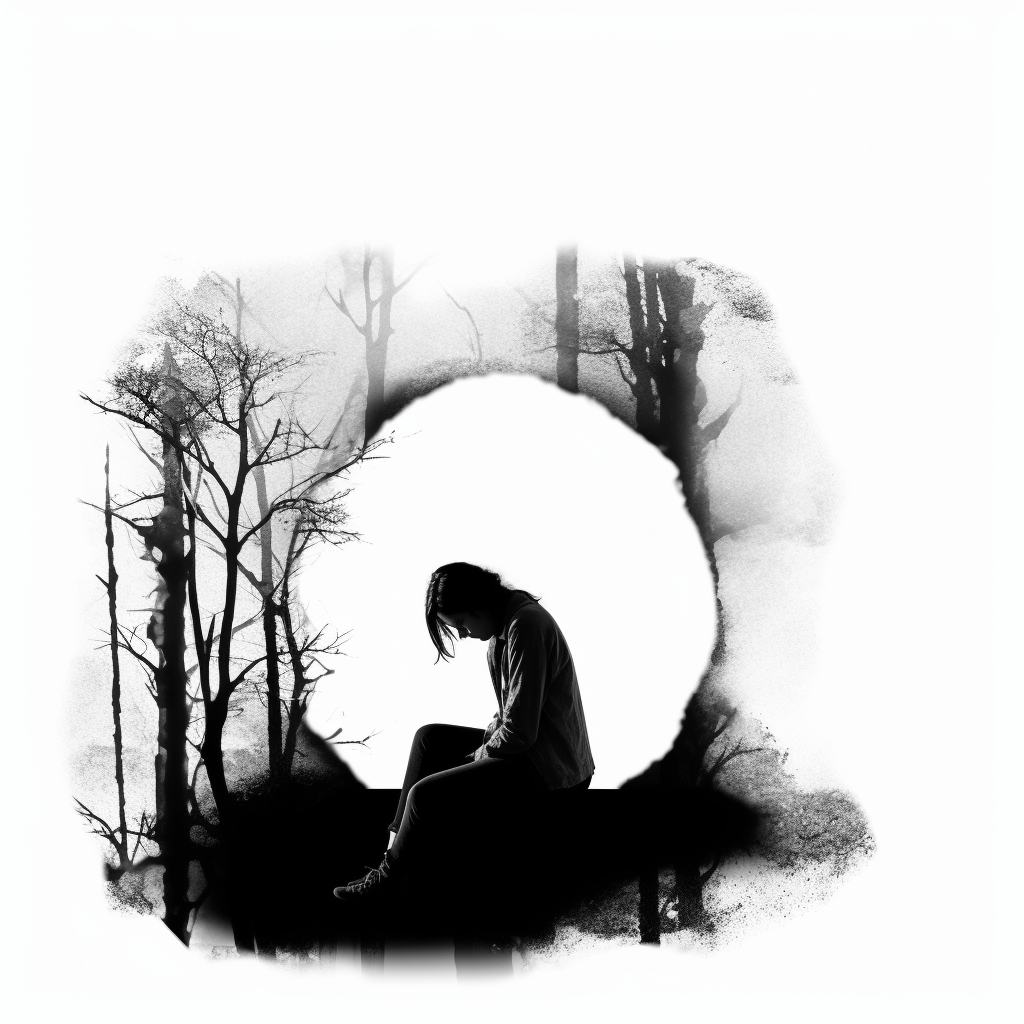
I’ve been so deep down the hole of darkness and inner agony that I thought the light would never shine again. I cried tears of torment, tears that dripped down my cheeks and hurt like bee stings to the soul. I’ve been stomped down by words, whipped by prejudice, scared by illness, and torn apart by loss. Yet I have always found a way to pull myself up to the light.

What is it that makes us strong enough to weather the torrential rains of life? What pulls us up when we’re lying at the darkest depths of our illness? What makes us strong when we feel weak? How do we stand up when everything seems to be pushing us down?

How often have you wondered if the light would ever shine for you? Have you lost hope that it would? I once lost hope and felt my life was just a dark endless pit of pain. I have lain down at the bottom of my hole and curled up in a ball, begging the Heavenly Father to end my life. When he wouldn’t, I took it on myself to find a way to die, but something wouldn’t let me go. Was it God or my own willpower hidden within my pain? I believe it was both.

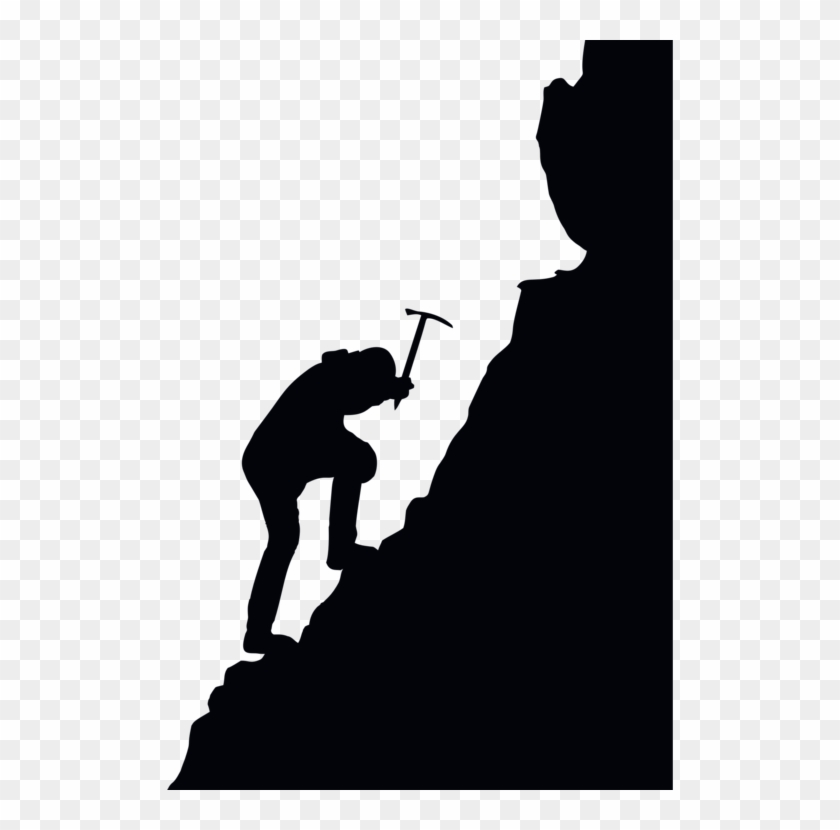
There is always a reason for our existence even when we can’t see it. Finding that reason may seem impossible and we might have our eyes closed when pain rears its head, but it’s there. God has a purpose for each one of us. To fulfill our purpose, we must dig deep into our souls, down to the pit of our very being to find willpower, strength, and determination to fight the darkness. To pursue our desire to climb out of the darkness and find our purpose we must fight that awful demon called mental illness. We must take it root by root and use it to pull ourselves up.

I did it. I climbed out of that dark hole, pulling myself up by its roots while setting each root on fire on my way up. I slipped a couple of times, falling back down and lying in my tears and agony for a moment. Then I began my climb to the top again. Once at the top, I searched long and hard for my God-given purpose. I looked hard for it until I realized it was staring at me.

While in the darkness, I gave up on my writing and my dream to publish a book. I thought I was only meant to write short stories for a while. Then one day I found my purpose and realized my writing was my reason for all my suffering. My writing was God’s reason for standing beside me in my darkest days. He knew I could help many with words written in a book, in this blog, and in speeches. I suffered to help and to educate others. My purpose is also to help young people through One Life Project.

Are you sitting at the bottom of your dark hole feeling there is no reason for your existence? If so, dig deep inside yourself for your hidden strength and determination and start climbing towards the light. Are you in the light but have not found your purpose? Sit still, close your eyes, and concentrate. Think about the things you can do, the life you have led, and open your eyes. Then look hard and you’ll find your purpose.

Your struggles and pain are not for nothing. There’s meaning in them. They help you grow and become stronger. They lead you to your reason for living. We struggle so we can stand up tall and do God’s will.

I still tumble into my illness, and at times I stand at the edge of that hole, but I hold on tight to my reason for living and God’s purpose for me. God reaches down to hold me up in the light of recovery.
FIRST THERAPY APPOINTMENT

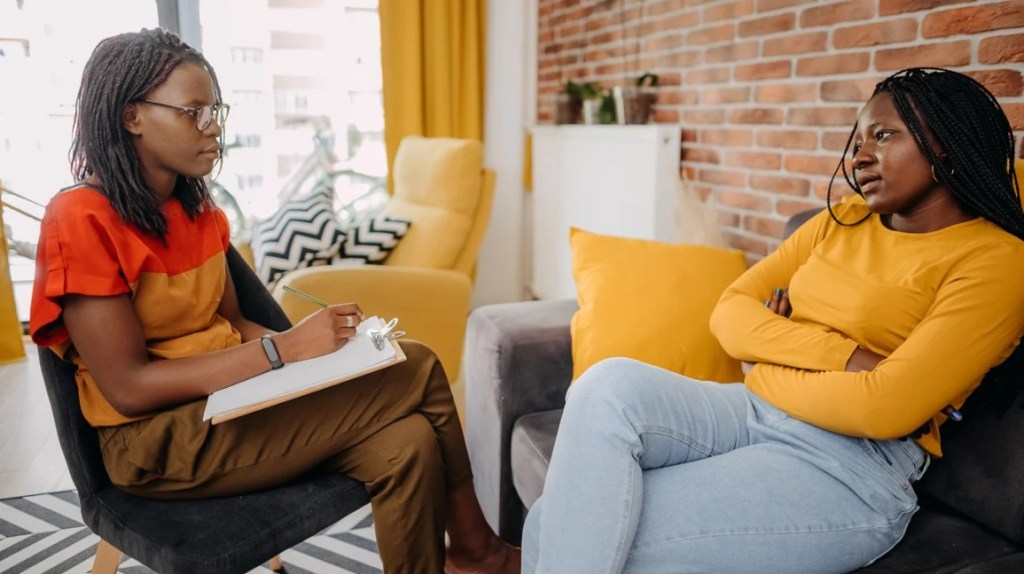
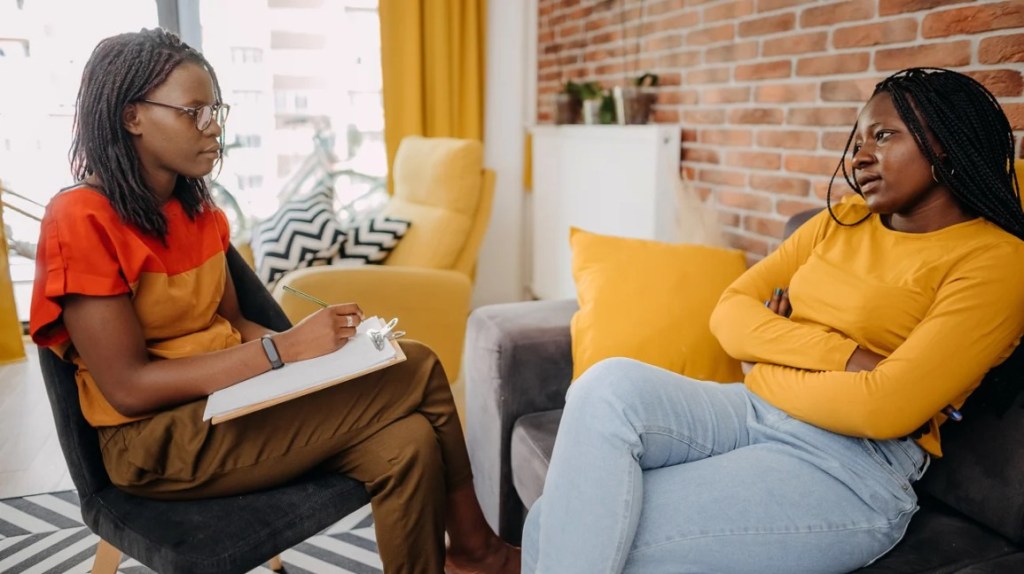
Going to your first therapy appointment can be scary and it can make you very nervous. You may wonder if you’re taking the right step, if you will like your therapist, if the therapist any good, or what happens in therapy? Going to a counselor for the first time isn’t easy, and it doesn’t get any easier even when you return to therapy while in recovery. It’s a huge step forward.

Therapy is sitting down with a total stranger to ask for help. Your therapist must make you feel comfortable, gain your trust, and find ways to treat you. You must learn to trust your counselor and find the strength to bare your soul to him or her. Once you feel comfortable with your therapist and he or she gains your trust, you have to tell them everything, even your deepest secrets. If you don’t, he or she can’t help you.

Through the years I have had several therapists. My first therapist told me I was injuring myself to hurt others, and I came home from therapy in tears. I once had a therapist who told me to think happy thoughts and I would feel better. I had another therapist who was very nice but talked a lot about herself. Those were bad therapists, but not all therapists are bad. If you feel uncomfortable with your therapist, or if he or she gives you bad advice or makes you feel worse, then look for another one. Don’t give up.

My favorite therapist was Linda. I came to her after my ex-boyfriend threw me out and I was hospitalized. My whole world seemed to have collapsed before me. I had nothing to hold onto. I was injuring, suicidal, and very depressed. At my first appointment with Linda, she introduced herself and brought me to her office. From the moment I entered her office I felt comfortable. She asked me questions about my illness, about my life, and about my family. I told her about my ex, my loss of friends, my feelings, and a little bit about me with tear filled eyes. Linda had a special way that made it easy to talk to her. It didn’t take long for me to trust her. She incorporated my ability to write into my therapy, she gave me homework, she listened caringly, and she helped me reach recovery.

Last Thursday I returned to therapy after several years without. I should have been a pro at it after years of therapy, but I was still nervous. I desperately wished I could see Linda again, but she changed job sites. I started new with a stranger. Before my appointment, my stomach twisted and my nerves were on edge. Questions filled my head: Will she be good? Can I trust her? Will I feel comfortable with her?

When I got to her office, I filled out some paperwork, and then she took me back to a room. Once we sat down, she asked me to tell her about myself. I told her about my mental health history, about my husband, and about my writing. I even told her about working for One Life Project. She asked me about the people in my life like family and friends. I found out she was recovering from breast cancer, and I told her about my journey with cancer. She said, “We were sisters.” I also found out she was a dog lover like me, and her dogs often come to the office with her.

I felt comfortable with her right away. Talking to her came easily. The hour went by quickly. When she asked if I wanted to come back, I agreed. She told me to think about what I would like to work on with her, and at the next appointment she’ll come up with a treatment plan. I had nothing to be nervous about.

Going to therapy this time is different. I’m not going because I’m very sick. I’m going to make sure I stay in recovery while dealing with my husband’s illness and to find coping techniques. I’ve come a long way since the first time I started therapy way back when I was in college, but staring therapy again was still a bit scary. It’s not easy to start over again with a stranger, but I’m doing it.

Therapy may be scary and nerve wracking but it’s worth it. Asking for help and getting it is the first step towards recovery. You may feel comfortable with your therapist right away or it may take time. Then there’s the chance you don’t feel comfortable with your counselor at all. Don’t give up on therapy. If you don’t like your therapist, keep searching until you find the one that you feel comfortable with.

Because I went back to therapy I am working on keeping myself from slipping down that hole again, and this helps me hold onto the light of recovery.

LETTER TO SUICIDAL SELF

Dear Sick Aimee,

I remember when you were so sick that you felt life was hopeless. You thought there was no end to the sadness, the inner anguish, the crying spells, the sleepless nights, and the overpowering emotions. You thought the only way to stop it was to take your life. You planned it and you tried but never succeeded. You thought your family and friends would be better without you, but you were wrong.

     I want to thank you for never taking your own life and for your failed plans. If you had committed suicide, you would have missed out on watching your nieces and nephews grow up. Taking them to do fun things, spoiling them, and sharing memories with them. They would never have gotten to know their favorite aunt if you were gone. They would have only heard stories about you. By living you have instead given them love, courage, and many wonderful memories. Since you lived you have been blessed with two great nieces and a great nephew. On Friday you watched your oldest niece get married. It was a wonderful wedding. Your nieces and nephews have been one of the greatest blessings in your life.

     Remember when you wrote out what you wanted to go on your grave, “A lonely soul who couldn’t go on.” Good thing you never had to use it. If you had died, you would have never met the love of your life. On the first date he drew you in with a promise to treat you like a woman, to protect you, and to never hurt you. He swept you away. You couldn’t stop seeing him. He even rode his bike thirty miles to see you. Within just six months of dating, he proposed, and you knew your souls would be one forever.

     What a beautiful wedding it was! You could have missed the best day of your life. The day you said “I do” to the most wonderful man you ever met. The day you pledged your heart and soul to him forever with tears in your eyes. Now you have spent fourteen years of marriage creating memories, sharing your love, standing side by side in ups and downs, and falling more in love each day. You can see the love in his eyes, in the things he does, and how he takes care of you. Wouldn’t it have been so sad if you had missed that?

     Remember when you took a bunch of pills and somehow drove to college in a snowstorm and back without remembering how. God took the wheel for a reason. He drove you to class and back because he had plans for you. Because God kept you alive, you have fought hard and reached recovery. In this blog you write about what you learned in therapy and your journey to recovery. Many have told you how much your posts have helped them. You would have never been able to do that if you took your life. You have written a memoir that will help many when it’s published. Because you are alive, you will soon see your first book published.

     You touch many lives as a cashier. Customers stand in long lines to see you and pray for you as you face health problems and rise above them. Many call you an inspiration because no matter how far down you fall, you always pull yourself up. You have many friends who you’ve touched in many ways. Friends who you call sis, ones who turn to you in a time of need, friends who support you, friends who stand at your side no matter what, and friends who have helped you grow as a writer. What if you missed out on all this? How sad would that have been?

     One time you thought none of this was possible. You thought you would be stuck in your internal hell forever. Look how wrong you were. Your life turned out wonderful because you didn’t succeed at suicide. How could you have ever wanted to miss out on such a wonderful life? You thought you would never feel happiness again and now you are very happy. Yes, you still have bad days, but you have coping techniques and a special support system to get you through. You have struggled with many health problems, but you have a wonderful husband who helped you through them. Your life isn’t perfect, but it is wonderful.

     Thank you, Aimee, for being alive and for pushing forward. You’ve had many challenges and rough times, but you have risen above them. If you were gone you would have never gotten a chance to rise above so much and to write about it. If you took your life, you would have never experienced true love, joy, and love of friends and family.

     Your life is beautiful. Thank you for living it. Thank you, God, for not letting Sick Aimee succeed at suicide. Suicide was never the right answer. I forgive you for being misguided and rejoice in the life you have lived because you never took your life. You stand in the light of recovery a strong, vibrant, and inspirational woman because you chose life.

     Thank you for being alive.

Sincerely,

Aimee standing in the beautiful light of recovery

KNOWING WHEN YOU NEED HELP

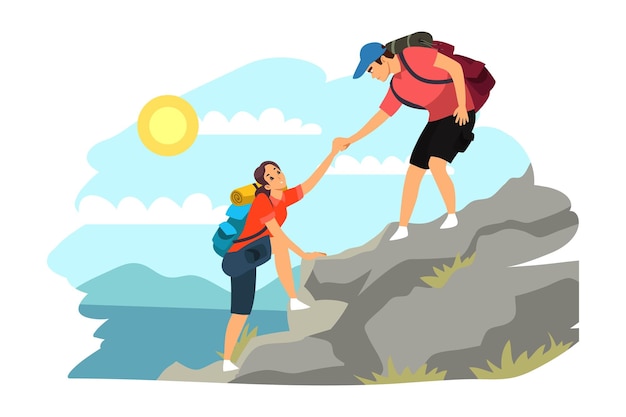
Recovery from mental illness happens when you learn to handle your illness with coping techniques and medicine. This doesn’t mean you will never struggle again and that you’re cured. There is no cure to mental illness. There will be times when things get hard and you feel like you need extra help. You might stumble towards that hole again, and an extra hand will help you stay in the light.

Lou and I were thrown for a loop with Lou’s illness. Especially Lou. His independence was taken from him when he lost his license, and the symptoms of his illness frustrate him. Being told you can’t drive ever again has to be hard. He is stuck at home a lot while I work. With his illness comes depression. I have been trying to make things easier on him, taking him for rides after I get out of work, planning things for us to do on my days off, taking him out to lunch before I have to work late, and so on. Sometimes I feel like no matter what I do for him, it’s not enough. He’s sad and I know it, but he won’t admit it.

Everyone tells me I have to prepare myself for the future when his illness gets worse. I joined an online support group, but reading people’s posts about their family members going through the same illness is scary and upsetting to me. I don’t know how to handle things. He’s not really bad right now. He needs some help with things, but he’s independent at this point. His worst problem now is depression.

I want to be strong for him, and I want to make his life enjoyable while I still can, but in the process of doing that, I have neglected to practice self-care. I have put him first above my own well-being and this has led to some problems. I realize that I too am important, and to navigate his illness and stay in recovery I need help. I decided to return to therapy.

This wasn’t an easy decision. Going back to therapy feels like I have fallen backwards. I have gone many years without therapy, relying on my support team, coping techniques, and medication to keep me in recovery. It has worked well for me until now. I have been turning to my support team, but I feel like I need more guidance. I’m not depressed, but I am lost, scared, and frustrated. I want to prevent myself from becoming depressed again.

It’s hard to ask for help again when I have been doing well for a long time. It feels like I have failed myself somehow, but I haven’t. I haven’t fallen down the hole again, but I need to do some maintenance on my illness to assure I don’t fall. I need to learn to balance being there for my husband and taking care of myself. I need to find a way to prepare myself for the worst.

Since my husband was diagnosed with his illness, I stopped working on my next book, I’m way behind on housework, I stopped journaling regularly, and I don’t take care of myself as well as I should. I need help finding away to change this and put a healthy balance in my life. A therapist can help me work on ways of doing this and help me prepare for what is to come. I’m doing this to make sure I stay in recovery.

It’s okay to ask for help when life gets hard and when you feel like your recovery is in jeopardy. It’s alright to fall and need help to get back on your feet. It doesn’t mean you failed. Part of recovery is knowing when you need extra help and being able to seek it. It’s nothing to be ashamed of. Everyone needs help from time to time.

Sometimes life gets hard, and you may seek extra help to get through the rough times, and that’s okay. That is what therapists are there for. You need to take measures to protect your recovery, and that is part of self-care.

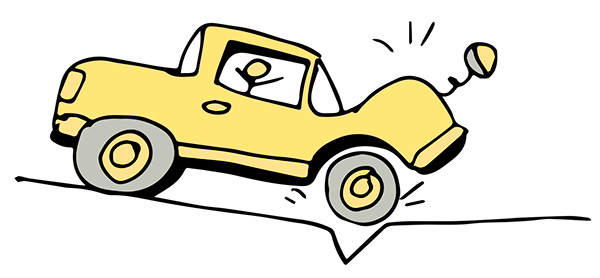
When you’re in recovery, you can be doing well for a very long time. You’re happy, productive, and doing well; then suddenly a large rock is thrown in your path. You try to go around the rock, but there are too many potholes, you try to climb over it, but you keep sliding down, and you have a choice to fall in the potholes or ask for help to climb over the rock. The best choice you can make to take care of yourself is to get that help.

I have a program through work which is helping me find a therapist. I’m taking each day step by step to stay in the light of recovery.
COPING TECHNIQUES FOR THOSE WHO SELF-HARM

Recently I was asked to write a keynote speech for One Life Project’s online conference in August. When Alex Kavarovic asked me to write it, the subject of the speech came to me instantly: self-harm. Self-injuring happens frequently among teens and college students, and it’s a bad coping technique that is very hard to change. To stop injuring oneself, a struggler must find new and healthy coping techniques.

I was once a self-injurer. I had a lot of painful emotions inside me, and the only way I knew how to release them was to hurt myself. It wasn’t until I found the right therapist that I learned healthier ways to cope with my emotions. It was a challenge to give up self-injury; I was addicted to it as if it were a drug, but with new coping techniques I soon found I no longer needed it.

Below are some coping techniques to replace self-harming.

  • Express your feelings in a creative way. Find some way that you can release your feelings using different kinds of art like drawing, journaling, or dancing.
  • Keep a self-harm journal. In a self-harm journal write how you are feeling before you hurt yourself. List your emotions. Then after you injure write how you are feeling once the rush of the injury has gone away. Do you feel shame, anger at yourself, more depressed, or anxious? Look at your entry and ask yourself, “Was hurting myself worth it?” Then list healthy coping techniques you can try next time.
  • Change negative thoughts into positive ones. If you think, “I am a worthless person who ruins everyone’s lives,” change that to “I’m a good person who is important to many people.” You can take a piece of paper and fold it in half and put negative thoughts at the top of one side and on the other side write positive thoughts.
  • Talk to someone you trust. It’s important to build a supportive system of friends and family you can talk to when you feel the need to injure yourself. It’s very helpful to talk out your feelings and have someone help you find different ways to cope.
  • Go for a walk or do exercises. Walking and exercising are very good for your mental health. They give you something physical to do to release your pain. Ride a bike, do jumping jacks, lift weights, go for a run, and so on. When you walk, go briskly. Work out those emotions with each exercise or step.
  • Set a goal to stop injuring. Set a small goal at first, like going one week without harming yourself. When you make it to that one week, celebrate by having dinner with friends, treating yourself to something special, or buying a cake. After completing a week keep adding to your goal, two weeks, a month, or a year. Celebrate each time you reach your goal. In time you will go years without hurting yourself.
  • Write affirmations. Write positive things about yourself and your life. Put positive things about yourself on notecards, and put them where you’ll see and read them each day. Start a journal just for affirmations.
  • Seek help. Therapists can teach you different ways to cope with self-injury, give you someone to talk with, and guide you in putting an end to self-harm. It may be hard to find a good therapist who makes you feel comfortable. Don’t give up. Make sure you ask your therapist if he or she has experience helping others who self-injure.

Learning healthy coping techniques will help you overcome self-harm. You can break away from the shame, silent struggle, hiding your wounds, and the endless cycle of agony. Try these coping techniques. Practice them regularly until you no longer need to hurt yourself. You can reach recovery.

Because I practice these techniques and incorporate them in my life, I have gone 23 years without self-harm. I stand in the light of recovery with pride.

HOW FAR I’VE COME

I’m sitting here trying to think of something to write for a blog post. I decided to just write. Life seems to be especially hard right now. I’m emotionally supporting my husband, my sister, and my parents when they need me. I have a lot of emotions running through me and I have not been able to work on my next book. As I go through this trying time, I look back on how far I have come, and I have come a long way.

There was a time when I was at the bottom of the dark hole of my illness that I couldn’t make a simple decision, let alone take care of myself. I couldn’t see past my own inner agony to see that others in my life had struggles of their own. I couldn’t support others. Everything was too overwhelming. My inner pain was so deep that I could barely exist.

I wasn’t a good friend, daughter, or sibling. There were times I lashed out at my parents and siblings just because I was suffering. There were times when my mom was going through something, and I got mad at her for not listening to me. I broke out into fits of rage saying awful things and throwing things.

My best friend was in an abusive relationship and struggling with her own emotions, but I was stuck in my darkness and didn’t give her the support she needed. Instead she became my lifeline, talking me down when I wanted to die or self-injure. She even pulled me out of the road when I wanted to take my life. She listened, she supported me, she saved me, and I was unable to do the same for her.

Several years later I am in recovery. She supports me and I support her. I have other friends that I give back to. I am now strong enough to be there for my parents as they grow older and my dad struggles with bone cancer. I’m helping my husband through an awful illness, and I’m helping my sister get help for an eye condition she has. At one time I could have never done all of this. If this would have happened when I was at my lowest, I would have needed to go into the hospital.

I often think of my future. If I can no longer take care of my husband or he passes, am I well enough to live alone? Would I be okay by myself? I tell my husband that when he passes I will die of a broken heart because I could never live without him. I’m beginning to think with the support of friends and family, I may be able to some day in the way future live on my own.

There is no cure for mental illness and some days I really struggle, but I get through the bad days. It’s important to take my medications, practice self-care, use coping techniques, have a support system, and know my limitations. It took years of therapy and hard work to get this far, but I’m proud of myself. I have more good days than bad days now. I’m helping others, I’m a good daughter, a good sibling, and a good friend.

If you think there is no end to your inner pain and you’ll never get better, you’re wrong. There is a light above the hole. Keep climbing and reaching for it. You have a happy future waiting for you and there is a lot you can accomplish if you keep fighting. You can reach recovery, too.

Hard work, the right medication, and determination got me to where I am now. I’m now standing in the light of recovery as a strong woman.

MENTAL HEALTH COMES FIRST

When I started my second book a year ago, my writers group told me the second book would be easier to write, and I would finish it sooner because now I know how to write a book. What no one could have predicted was life taking me down many bumpy roads. When I think things are going smoother, a big pothole forms and I must find my way around it. Luckily, I have lots of coping skills that help me stay above the potholes.

The road of life first started getting bumpy when my husband’s job started remodeling, and my husband got laid off. It went downhill from there. The potholes and bumps started getting bigger. He returned to work and put his back out of place, missing work. Then there were other health problems. Then he lost his job of thirty-four years. After that the potholes got deeper, and the bumps grew higher. I struggled to swerve around and climb over them. Writing my book started to trail behind me.

Then my dad got pneumonia and came very close to dying. At the same time my sister struggled with her vision. My sister needed someone to assist her in getting help. I took it upon myself to get her into a retina research doctor. My husband and I travel forty-five minutes to pick her up and then back again to take her to the doctor. Sometimes she spends the night at our house, which I enjoy.

I have been working hard to assist her in getting the help she needs. Since she lives in another state than the retina doctor we have to find her the specialist and tests the retina doctor, recommends in her state, so her insurance will pay. This has been a headache. I am trying to do my best to help her but the bumps in the road keep getting higher.

My husband got an illness that gave him no choice but to retire. He can no longer drive. I’m trying to be very supportive and comforting. He has been struggling to accept his diagnosis and accept having his freedom taken away from him. I’ve been trying to help him find a hobby and I give him things he can do while I’m at work. I take him for rides after work to get him out of the house. His illness has been very tough on him and hard on me. I’m climbing the bumps and swerving around the potholes the best I can.

Even though my dad has gotten better, he’s been struggling with bone cancer and chemo. April 9 he was admitted into Cleveland Clinic for a procedure that will hopefully put him into deep remission. He came home a week ago, but he is still recovering. He is weak and has some side effects from the procedure. The doctor says he will improve each day. I’m trying not to worry too much and be supportive. The potholes dare me to fall in, but I veer around them.

All these bumps in the road caused the potholes to only get deeper. I teetered on the edge coming close to falling in. My emotions have been strong, and I record them in my journal. The problem is my writing was left back down the road, always stuck in a rut. I can pour out my thoughts in these blog posts, but I can’t go back to reliving the pain of the past to write my book.

My second memoir, like my first, involves writing about some deep emotions and about very painful times in my life. It’s very hard to write about this when I’m climbing over the bumps and working to avoid the potholes in my present life. I can’t risk falling into the holes by adding the pain of the past with the bumpy roads of the present. So, I have not been working on my book. I’ve taken it out of the rut, and I’m allowing it to sit beside the road until things get better or when I feel like I can handle working on it again. Right now, my focus is on my family and taking care of my mental health. I will finish my book, but it must be when I’m sure I can handle reliving the past. Falling down a hole of any type is not an option. I can’t go in that direction again.

Life always has bumpy roads and big potholes, but you are strong. You can make it over the bumps and around the potholes. When things get tough, remember to use your coping techniques and make sure your mental health takes priority. If you have to leave things lingering on the side of the road while you’re avoiding the potholes, that’s okay. Your mental illness must come first.

Despite everything going on in my life, I have been using coping techniques I have learned, and I think I’m doing well. I’m very proud of how well I am handling everything. Coping helps me stand above the potholes and in the light of recovery.